Quick Definition
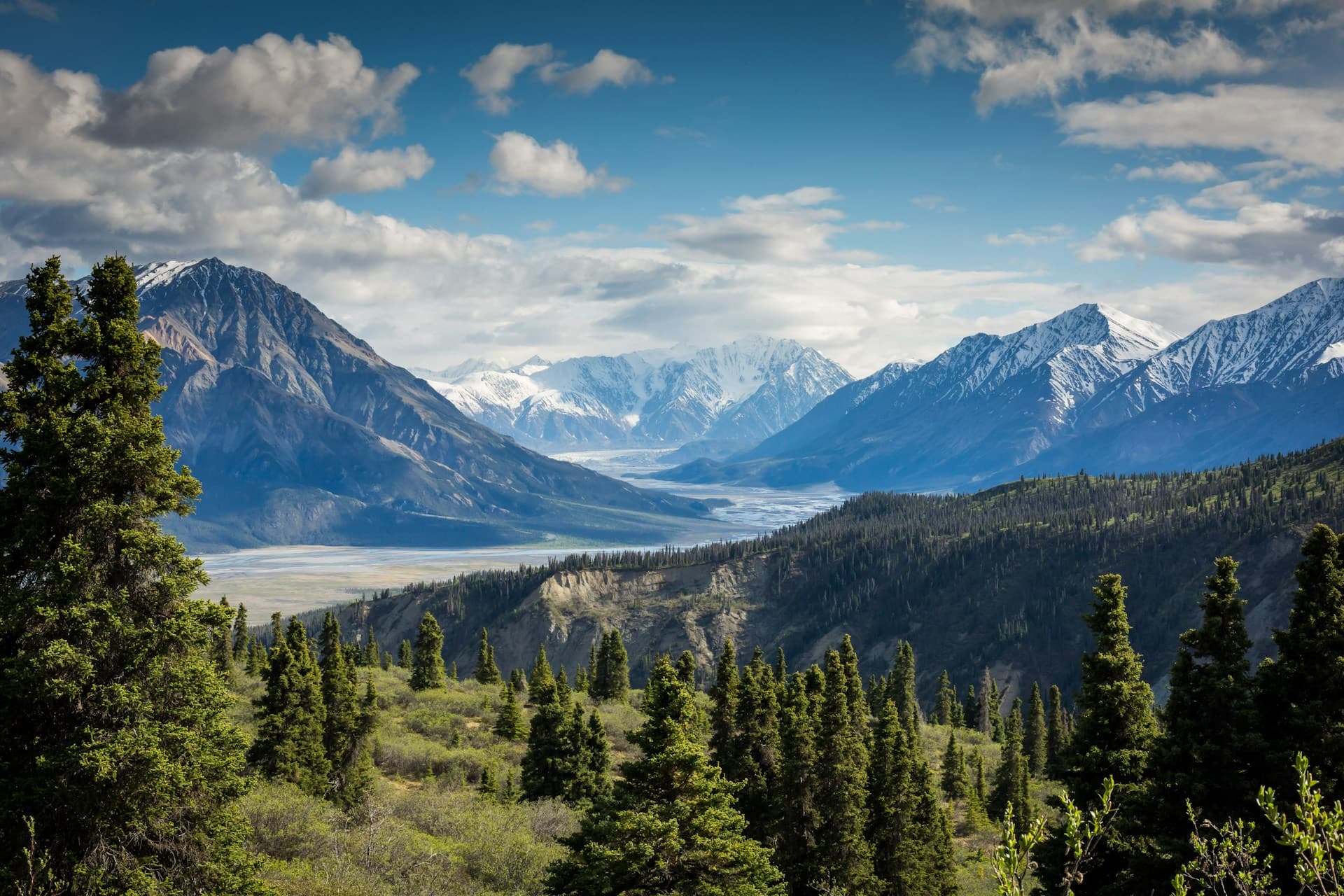
Talladega National Forest spans 393,000 acres across central Alabama, split between the Talladega and Oakmulgee Ranger Districts. It's a landscape of rolling ridges, clear lakes, and high peaks—anchored by Cheaha Mountain at 2,407 feet, the highest point in Alabama. For RV campers, it offers a rare mix: developed campgrounds with amenities, free dispersed camping on public land, and direct access to the 108-mile Pinhoti Trail, which connects through Georgia to the Appalachian Trail. The forest is managed by the USDA Forest Service and is popular with hikers, anglers, paddlers, and anyone seeking affordable, accessible outdoor recreation near the heart of the Southeast. If you're based near Alabama Central RV Parks or traveling through the region, Talladega is a natural home base for extended forest camping.
TL;DR
Talladega National Forest at a glance:
- 393,000 acres of public forest in central Alabama
- Cheaha Mountain (2,407 ft) — highest point in the state
- Pinhoti Trail: 108 miles through the forest, connects to Appalachian Trail in Georgia
- Payne Lake Recreation Area: 162-acre lake, swimming beach, developed camping
- Coleman Lake Recreation Area: smaller, quieter alternative; ideal for fishing
- Shoal Creek Campground: tent and RV camping, vault toilets, no hookups
- Free dispersed camping available forest-wide (300 ft setback from water, 14-day max)
- Developed campground reservations via Recreation.gov
- Best seasons: April–May (spring wildflowers), September–October (fall colors)
- Contact: Talladega Ranger District, (256) 362-2909
Campgrounds, Dispersed Areas & Pinhoti Trail Access
Talladega offers three tiers of camping: developed campgrounds with facilities, primitive designated areas, and open dispersed camping across most forest land.
Payne Lake Recreation Area is the flagship developed destination. Located on Forest Road 500 about 12 miles north of Anniston, it's built around a 162-acre lake with a sandy swimming beach, boat ramp, picnic areas, and a developed campground. RV sites typically have gravel pads, fire rings, and access to vault toilets and water. The campground fills quickly on weekends during spring and fall, so advance reservations via Recreation.gov are strongly recommended.
Coleman Lake Recreation Area, accessed via Forest Road 648, is smaller and less crowded. It's ideal if you want a quieter fishing-focused experience. The lake is stocked with largemouth bass, bream, and catfish. Camping here is more primitive but still managed, with basic facilities.
Shoal Creek Campground offers both tent and RV sites with vault toilets but no hookups. It's positioned as a practical alternative when developed sites are full, and it's often available first-come, first-served.
Dispersed camping is the forest's best-kept secret. The vast majority of Talladega's 393,000 acres allow free, unmanaged camping with minimal restrictions: stay at least 300 feet from water sources and trails, pack in and pack out all waste, and respect the 14-day stay limit. This is ideal for self-contained RVs and boondockers who want solitude and zero fees. Forest Service roads wind through the forest, and many pullouts and fire rings are unmarked but well-established.
Pinhoti Trail access is distributed across multiple trailheads. The northern section near Cheaha State Park is the most accessible for day hikes; the southern sections offer backpacking loops and longer thru-hike segments. Trailhead parking is typically primitive—pull-offs along forest roads—so coordinate with your RV size when choosing entry points.
For detailed campground information and reservations, visit Recreation.gov or call the Talladega Ranger District at (256) 362-2909. Browse Alabama RV Parks for private campgrounds with full hookups throughout the region when forest sites are unavailable.
Activities, Recreation & Wildlife
Talladega is a destination for active outdoor use. The landscape supports diverse recreation and wildlife watching.
Hiking and backpacking dominate the visitor base. The Pinhoti Trail is the centerpiece—108 miles of maintained trail running south to north through the forest, ultimately connecting to the Appalachian Trail in Georgia near Blue Ridge. Day hikes range from 2 to 15 miles; popular loops include the Cheaha Peak circuit (around Cheaha State Park, just outside the forest boundary), the Skyline Trail network, and shorter paths around Payne Lake.
Fishing is excellent in Payne Lake, Coleman Lake, and numerous forest streams. Bass, bream, and catfish are plentiful. A valid Alabama fishing license is required and can be obtained online or at sporting goods stores.
Water recreation includes paddling on Payne Lake (boat rentals and launches available nearby) and wading in creek systems. The water is cool and clear, making swimming and water sports popular during summer.
Wildlife is abundant. Black bears are present and active in the fall, especially around acorn-rich areas. White-tailed deer are everywhere—particularly visible at dawn and dusk. Wild turkeys, various raptors (red-tailed hawks, pileated woodpeckers), Eastern box turtles, and songbirds are common. Reptiles include copperheads and timber rattlesnakes, so standard outdoor vigilance applies.
Scenic drives along forest roads—particularly Skyline Drive and the roads circling Payne Lake—offer forest vistas and are easily done in an RV. Forest Road 500 north of Payne Lake is especially picturesque in fall.
Nearby, the town of Anniston is 20 minutes away and offers museums, dining, and supply stops. If you want hookups after a week of forest camping, Anniston RV Parks have several commercial parks that offer that transition.
Practical Tips for Forest Camping
Water and sanitation. Developed campgrounds have potable water and vault toilets. Dispersed campers must bring water or know that forest streams require treatment (filtering, boiling, or chemical treatment). Composting or carrying waste is standard in dispersed areas.
Insects and weather. Mosquitoes are heaviest May–August, particularly near water. Spring and fall are ideal for avoiding them. Thunderstorms are common in summer and early fall; ensure your RV has secure tie-downs and leveling, and avoid camping in low-lying areas prone to washouts. Winter (December–February) is mild by northern standards but can see freezing temperatures, especially at higher elevations. Snow is rare but possible.
Wildlife safety. Black bears are curious about food and garbage. Store food in bear canisters or hang it if dispersed camping; never leave food in accessible areas. Make noise while hiking (especially on the Pinhoti Trail). If you encounter a bear, back away slowly, speak calmly, and make yourself look large. Do not run.
Road and vehicle conditions. Forest roads vary from well-maintained gravel to rough two-track. Check with the ranger station before heading deep into the forest in an RV over 30 feet. Some roads are seasonally closed due to weather or maintenance. Cell service is unreliable in the deep forest; download offline maps and consider a satellite communicator.
Fire safety. Campfires are allowed in designated areas and designated fire rings. Check fire restrictions before your trip (the ranger district updates these seasonally). Never leave a fire unattended.
Permits and regulations. Most camping is permit-free. Developed campgrounds require a reservation or fee. Dispersed camping is free but follows a 14-day rolling limit in any 30-day period. Dogs are allowed but must be under control (leash-friendly areas, voice control in backcountry).
For current conditions, road closures, and alerts, visit the Talladega Ranger District website or call (256) 362-2909. Private parks in the Talladega area serve as hookup alternatives when forest sites are full, especially during NASCAR race weekends. Many experienced boondockers network via online forums; Talladega forums often have current beta on least-crowded pullouts and seasonal road conditions.
Cost and Budget Planning
Talladega is exceptionally affordable compared to private RV parks and developed resort campgrounds.
Developed campground rates at Payne Lake and Coleman Lake typically run $20–$35 per night, depending on site type and season. Shoal Creek Campground is similar. These rates are far below regional averages (private parks average $50–$70/night in Alabama) and include parking, fire ring, and basic water/toilet facilities.
Dispersed camping is free. For a full-time boondocker, this means zero overnight fees across large portions of the forest. The only costs are gas to reach dispersed areas and any supplies (water, firewood) you must purchase.
Seasonal pricing: Developed sites are higher during peak season (May, September–October) and lower during winter and midsummer (when heat and insects peak). Weekends command a premium; weekday rates are 10–15% lower.
Fuel and resupply costs: Anniston is the closest town (20 minutes away) with grocery stores, RV dumps, water refill stations, and fuel. Budget $60–$80/night if you combine a short Talladega stay with private park hookups in Anniston for laundry and showers.
Annual pass option: A Northwest Forest Pass ($35/year or $5/day) covers parking and access to many USDA forest recreation areas across the Pacific Northwest and California. In Alabama, the Forest Service does not currently require a pass for Talladega, but check with the ranger district for updates.
For families or groups staying 5+ nights, Talladega is one of the cheapest outdoor bases in the Southeast.
Talladega National Forest Campgrounds: At a Glance
| Campground | Location | Hookups | Rate/Night | Type | Key Feature | Reservations | Notes |
|---|---|---|---|---|---|---|---|
| Payne Lake Recreation Area | Forest Rd 500, 12 mi N of Anniston | Water only | $24–$32 | Developed | 162-acre lake, swimming beach, boat ramp | Via Recreation.gov | Most popular; reserve ahead |
| Coleman Lake Recreation Area | Forest Rd 648 | Water only | $20–$28 | Developed | Quieter lake, excellent fishing | Via Recreation.gov | Less crowded alternative |
| Shoal Creek Campground | Central forest | Vault toilets only | $18–$24 | Semi-primitive | Tent and RV sites, minimal facilities | First-come, first-served | Good backup when others full |
| Cheaha State Park (adjacent) | Off AL-431, E of Anniston | Water only | $22–$30 | State park | Cheaha Mountain trailhead, tower views | Via Alabama State Parks | Just outside forest boundary |
| Pinhoti Trailhead Primitive | Multiple forest roads | None | Free | Backcountry | Trail access, parking only, pack-in camping | None required | Self-contained RVs only |
| Pine Glen Recreation Area | Forest Rd 650 | Water only | $20–$26 | Developed | Day-use area, seasonal camping | Via Recreation.gov | Quieter option |
| Caney Head Primitive Area | East forest, off AL-49 | None | Free | Dispersed | Remote, wild, backcountry feel | None required | High-clearance RVs preferred |
| Dispersed (Forest-Wide) | Throughout forest | None | Free | Backcountry | 300 ft setback, 14-day limit, pack-in/pack-out | None required | Best value for boondockers |
Frequently Asked Questions
What are the rules for free dispersed camping in Talladega? Free dispersed camping is allowed on most USDA Forest Service land in Talladega (roughly 80% of the forest). The core rules are: camp at least 300 feet from water sources and trails, pack in and pack out all waste (leave no trace), stay no longer than 14 consecutive days in any 30-day period, and respect seasonal fire restrictions. You don't need a permit. Choose established pullouts or fire rings when available to minimize impact.
Are there RV size limits in developed campgrounds? Yes. Payne Lake and Coleman Lake accommodate RVs up to 40 feet, though some individual sites may be smaller. Shoal Creek Campground is tighter, with most sites suitable for RVs under 35 feet. Always confirm site dimensions when booking via Recreation.gov. If your RV exceeds the developed campground limits, dispersed camping is your best option.
Is the Pinhoti Trail suitable for day hiking? Absolutely. Multiple trailheads offer day hikes from 2 to 15 miles. The northern section near Cheaha State Park has the best-maintained facilities and water access. Bring plenty of water (sources are seasonal), wear hiking boots with good ankle support on the rocky ridgeline, and allow 2–3 hours per 5 miles due to elevation changes. The trail is well-marked but can be muddy after rain; avoid it for 24 hours post-storm.
What should I do if I encounter a black bear? Stay calm and don't run. Back away slowly while facing the bear, speak in a low, calm voice, and make yourself look larger by raising your arms. Most bears will retreat. Never approach a bear cub; the mother is nearby. In camp, store all food, trash, and scented items in bear-proof containers or hang them from a rope over a branch, at least 12 feet high and 15 feet from your RV. Report aggressive bears to the ranger district immediately.
What's the best season for camping in Talladega? April–May (spring wildflowers, mild weather, less crowded than fall) and September–October (fall foliage, comfortable temperatures) are optimal. Summer (June–August) is hot, humid, and buggy; winter is mild but short daylight hours limit hiking. Avoid holiday weekends if you want solitude.
Are there reliable water sources for backcountry camping? Stream water is available throughout the forest but requires treatment (filtering, boiling, or chemical tablets). Winter and dry spells (late summer, early fall) can reduce flow. The Pinhoti Trail crosses reliable water sources, but many dispersed areas depend on seasonal creeks. Always carry backup water or a filtration system. Developed campgrounds provide potable water via spigots.
What's the difference between Recreation.gov reservations and walk-up (first-come, first-served) sites? Recreation.gov sites must be booked in advance (up to six months ahead for peak season). Walk-up sites are unreserved and filled as visitors arrive. Shoal Creek and some Pine Glen sites are walk-up; they're first-come, first-served and often available mid-week. Payne Lake and Coleman Lake are primarily reservation-based and rarely have walk-up availability during peak season.
Can I swim in Payne Lake? Yes. Payne Lake has a designated swimming beach with a lifeguard during peak season (summer weekends). The water is clear and cool (65–75°F depending on season). The lake is also open for fishing and boating. Always check current conditions with the ranger district before visiting.
How do I find the Talladega Ranger District office? The Talladega Ranger District office is located in Talladega, Alabama, and serves as the hub for permits, maps, and current conditions. Contact them at (256) 362-2909 or visit their website for hours and address. They sell detailed forest maps, provide trail conditions, and can answer specific questions about road closures and seasonal restrictions. Plan to call ahead during off-season (winter) when hours may be limited.
What should I do if my RV is too large for developed campground sites? Use dispersed camping. The forest supports RVs of all sizes in dispersed areas, provided you're self-contained (carrying your own water, waste tanks, fuel). Alternatively, use a private RV park in nearby Anniston as your base and do day trips into the forest. Some boondockers position a truck camper or small RV near Pinhoti trailheads and hike from there, leaving their larger rig in town.
Thinking About Selling Your Central Alabama RV Park?
Private RV parks near Talladega National Forest are positioned to benefit from overflow demand. Every season, developed forest campgrounds fill to capacity, and campers seeking hookups—full water, electric, and sewer—turn to nearby commercial parks. Payne Lake and Coleman Lake offer exceptional value, but they lack shore power and full hookups, so experienced RV owners looking for extended stays (two weeks or more) need private parks for laundry, hot showers, and reliable electricity.
If you own an RV park in the Talladega, Anniston, or Cleburne County corridor, you're sitting at the intersection of interstate travel and a major recreation destination. Parks within 15 miles of the forest and with 40+ sites in reasonable condition have strong acquisition potential. We look at cap rates, seasonal occupancy patterns, operational efficiency, and expansion upside.
Jenna Reed, Director of Acquisitions at rv-parks.org, actively evaluates properties across central Alabama. If you're thinking about selling—whether you're burned out, ready to retire, or want to cash out before the market shifts—let's talk. No obligation, no nonsense, just a straightforward conversation about your park and what you've built.
[Reach out: jenna@rv-parks.org] or visit /sell to begin a confidential conversation about your property.