Quick Definition
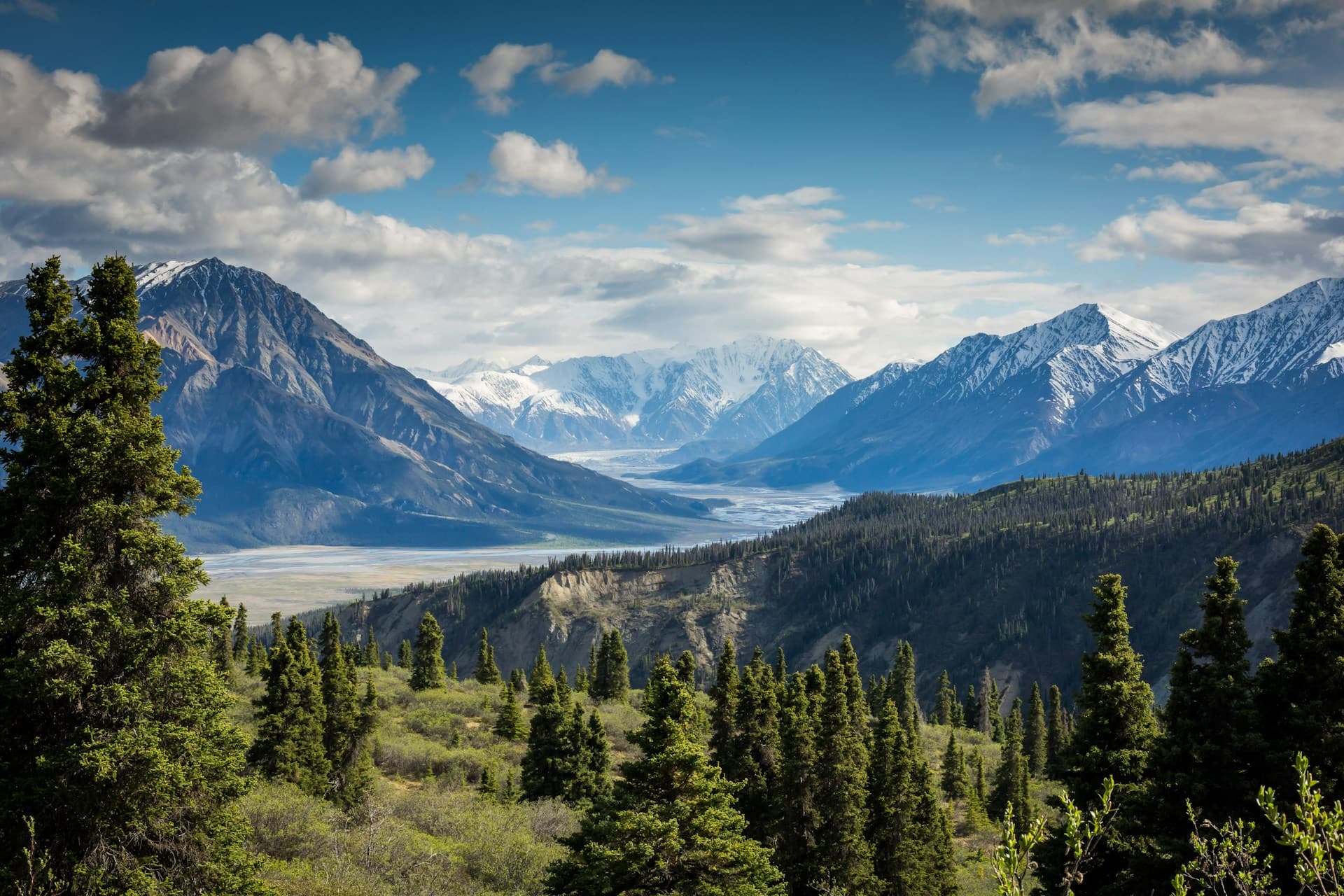
Little River Canyon National Preserve is a 15,293-acre National Park Service unit protecting one of the most distinctive geological and hydrological features in the eastern United States: a 600-foot-deep canyon carved by a rare river that begins and ends its entire length atop Lookout Mountain. Located in Fort Payne, Alabama (DeKalb County), the preserve includes 43 miles of hiking trails, a dramatic 45-foot waterfall at the canyon entrance, an 11-mile scenic rim drive with eight overlooks, and access to Class II–III whitewater kayaking and technical rock climbing. Unlike many national parks, the preserve has no developed NPS campground, but adjacent DeSoto State Park offers full RV hookups and cabin accommodations. For RV travelers seeking serious outdoor adventure in the Southeast, Little River Canyon is a gateway destination—and if you're researching this area, you'll find North Alabama RV Parks are strategically positioned to capture hikers, kayakers, and climbers year-round.
TL;DR
Little River Canyon National Preserve sits near Fort Payne, Alabama, home to a 600-foot-deep canyon (the deepest east of the Mississippi River), a 45-foot waterfall, 43 miles of trails, and world-class kayaking in spring and summer. There's no NPS campground at the preserve, but DeSoto State Park on the adjacent Lookout Mountain offers full RV hookups at USD 25–35/night. The Canyon Rim Parkway scenic drive takes 2–3 hours; Little River Falls trail is under 1 mile; and serious hikers tackle the Eberhart Point or Bear Paw trails for full-day adventures. Peak season is fall (September–October) and spring (April–May); summer crowds thin considerably once school starts. The preserve is free to enter, and Fort Payne (14,000 residents) serves as the gateway town 20 minutes from the main falls. Rock climbing, swimming, and wildlife photography round out the experience. Budget USD 50–150/day including RV site, food, and activities; plan for 3–5 days to properly explore the canyon and surrounding attractions.
The Canyon: Access Points, Trails & Overlooks
Little River Canyon National Preserve is accessed via two main entry points. The Little River Falls trailhead (the most popular) is located off Alabama Highway 35 on the eastern side of the canyon, about 15 minutes north of Fort Payne. This parking area serves the short, scenic walk to the 45-foot waterfall that marks the canyon entrance—a trail under one mile that rewards visitors with dramatic canyon views and swimming holes in summer.
The Canyon Rim Parkway runs 11 miles along the western rim, offering eight developed overlooks with interpretive signage, restroom facilities, and parking areas. This scenic drive takes 2–3 hours with stops and is highly suitable for RV visitors who want to experience the canyon without committing to strenuous hiking. Each overlook provides unique vantage points into the 600-foot gorge, with names like Eberhart Point Overlook (one of the highest viewpoints), Mattie's Rock, and High Point. The parkway connects to Fort Payne via DeKalb County roads and is clearly marked from town.
The preserve maintains 43 miles of maintained trails ranging from easy nature walks to all-day backpacking routes. Canyon Mouth Trail (1.8 miles) hugs the river level below Little River Falls, offering close encounters with the canyon geology and frequent water access—popular with swimmers and wildlife photographers. Eberhart Point Trail (4.2 miles round-trip) climbs steeply to one of the most commanding overlooks on the rim, gaining 400 feet in elevation and rewarding effort with 360-degree views into the canyon. Bear Paw Trail (6+ miles one-way) traverses the canyon floor and rim, passing through diverse habitats and offering backcountry camping opportunities. Water crossings are common on lower trails, especially after rain or during spring runoff.
In late spring and early summer, the river runs Class II–III whitewater. Expert kayakers navigate technical boulder gardens and drops; by July and August, the river mellows to calm pools separated by gentle Class I–II sections ideal for recreational paddling. Winter sees dramatic seasonal flow patterns, and occasional ice formations frame the lower canyon during cold snaps—a photographer's paradise, though less accessible.
For detailed trail conditions, seasonal closures, and backcountry permits, the NPS website at https://www.nps.gov/liri/ is the authoritative source. Rangers update conditions after heavy rain, and some trails briefly close for rockfall management or trail maintenance. The preserve is open year-round and free to enter. Travelers building a multi-day North Alabama itinerary often use Huntsville RV Parks as a base camp about 65 miles west before day-tripping east to the canyon.
Activities and Recreation
Hiking and Backpacking dominate the experience. With 43 miles of trails, visitors can day-hike from one to eight hours or camp on-site via the backcountry permits (free with NPS registration). The mix of river-level trails (muddy, wet, scenic) and rim trails (dry, open, panoramic) means visitors can choose their terrain. Spring brings wildflowers and maximum water flow; fall offers stable weather and dramatic foliage on the canyon walls.
Kayaking and Whitewater attract experts in April–May when snowmelt and spring rains push flow to 2,000+ cubic feet per second. The Little River's Class II–III rapids demand solid paddling skills and swift-water rescue training. By June, flows drop and the river becomes safer for intermediate paddlers. Summer visitors (July–September) find Class I–II conditions ideal for recreational paddling and swimming. Several outfitters in Fort Payne offer shuttle services and rental equipment, though Alabama RV Parks sometimes connect visitors with local guides for a small commission.
Rock Climbing on the canyon walls offers technical routes on granite and sandstone faces. The area is less developed than places like New River Gorge or the Shawangunks, but bolted sport routes and traditional crack climbing exist. Climbers typically approach via ground-level parking near Stokes Valley and hike to the base. A local climbing guide service operates seasonally from Fort Payne.
Wildlife Photography is exceptional. Black bears, white-tailed deer, wild turkeys, and a variety of raptors (including occasional golden eagles and peregrine falcons) inhabit the canyon. Early morning and dusk offer the best light and animal activity. The canyon's unique elevation and isolated habitat support relict plant species found nowhere else in Alabama—a draw for botanical photographers and naturalists.
Fishing for smallmouth and largemouth bass occurs in the lower canyon pools, though regulations require a state license. Trout fishing is not permitted. The river's clear water and rocky structure create excellent habitat for bass, and summer temperatures make wading and float-tube fishing viable options.
Practical Tips for Canyon Visitors
Seasonal Timing: Fall (September–October) and spring (April–May) offer the best combination of stable weather, lower crowds, and manageable conditions. Summer (June–August) brings family vacations and school groups; weekdays are quieter than weekends. Winter hiking is feasible but requires preparation—trails can be muddy, water crossings are cold, and daylight is limited. Spring runoff peaks in April–May, making water crossings risky; plan accordingly.
What to Bring: Even for short hikes, pack extra water (2–3 liters minimum), as there are few reliable on-trail water sources. Sturdy, water-resistant hiking boots are non-negotiable—trails are rocky, roots are abundant, and creek crossings are frequent. Bring sun protection (hat, sunscreen, sunglasses) for rim trails, which offer no shade. A good camera, tripod, or binoculars enhance the experience. Insect repellent helps in summer, and a basic first-aid kit is always smart.
Vehicle Access: The Canyon Rim Parkway is suitable for RVs up to 30 feet, though some parking areas are tighter for Class A motorhomes. Most trailhead parking is car-sized; RV travelers should park at DeSoto State Park or Fort Payne RV facilities and use a tow vehicle for day-trip exploration. Cell service is spotty throughout the preserve—download offline maps before arrival.
Accessibility: The Canyon Rim Parkway and several overlook areas are wheelchair-accessible. Little River Falls trail is not ADA-compliant (rough, steep), but shorter rim walks near the parkway are manageable for people with mobility challenges. Restrooms with accessible stalls exist at two parkway overlooks.
Water Safety: The Little River can be deceptively dangerous. Spring floods and flash flooding after heavy rain have caused fatalities. Never attempt to cross swollen creeks. Do not jump or dive into pools—depth is unpredictable. Wear a PFD (personal flotation device) if wading or kayaking. If kayaking, use an outfitter with rescue equipment and guides familiar with seasonal conditions.
Pets: Dogs are allowed on most trails but must be leashed. The preserve is home to bears, and loose dogs occasionally encounter wildlife. Keep pet food secured in your RV, and don't leave pets unattended at campsites.
Plan to spend a minimum of three days to experience the preserve properly. A day for the rim drive and overlooks, a day for a moderate hike like Eberhart Point or Canyon Mouth, and a day for either backcountry exploration or nearby attractions (Noccalula Falls in Gadsden, DeSoto Falls at the state park, or Fort Payne's downtown) ensures a complete visit. Cullman RV Parks are located roughly an hour to the south and serve as an alternative base for visitors exploring northern Alabama more broadly.
Cost and Budget Planning
Preserve Access: Free. There are no entrance fees at Little River Canyon National Preserve.
Camping: The preserve itself has no developed NPS campground, but DeSoto State Park (directly adjacent on Lookout Mountain) operates the primary RV option. Full hookup sites (30/50-amp electrical, water, sewer) run USD 25–35 per night depending on site size and season. Primitive (no-hookup) sites cost USD 15/night. Call ahead to reserve; peak season (March–May, September–November) fills quickly. The park also rents cabins and chalets (USD 80–150/night), though these are not suitable for RV travelers. Website: alapark.com/parks/desoto-state-park.
Fort Payne's private RV parks offer additional options: Fort Payne RV Park (full hookups, USD 30–40/night) and smaller independent parks nearby. Gadsden (35 miles south) has additional RV facilities, though Noccalula Falls Campground is more basic.
Food and Supplies: Fort Payne has a Walmart, local grocers, and a handful of restaurants. Expect to spend USD 40–80 per person per day on food if eating out for one meal daily. Groceries for self-catering are reasonable.
Activities and Outfitting: All NPS trails and rim drives are free. Backcountry permits are free but must be obtained at the visitor contact station. Kayak rentals and guided trips range USD 50–100 per person (half-day). Rock climbing guide services cost USD 150–250 per day. Mountain bike rentals (if offered seasonally) run USD 25–40/day.
Nearby Attractions: Noccalula Falls Park (Gadsden, 35 miles south) charges a small entrance fee (USD 5–7) and offers a 90-foot waterfall, hiking, and picnic facilities. DeSoto Falls at DeSoto State Park is free to visit.
Total Daily Budget for Two People:
- RV site with full hookups: USD 30
- Groceries and self-catering meals: USD 50
- One guided activity (kayaking or climbing): USD 100 (daily, not every day)
- Gas and vehicle costs: USD 20–30
- Contingency (emergencies, premium dining): USD 20
Conservative total: USD 150–200/day for two people with comfort and flexibility.
Camping Near Little River Canyon: At a Glance
| Campground | Distance to Canyon | Hookups | Rate/Night | Type | Key Feature | Pets | Notes |
|---|---|---|---|---|---|---|---|
| DeSoto State Park | Adjacent (Lookout Mtn) | 30/50-amp, water, sewer | $25–$35 full; $15 primitive | State park RV | 43-mile trail system on site, DeSoto Falls waterfall, cabins/chalets available | Leashed | Highest-quality option; reserve early. Website: alapark.com/parks/desoto-state-park |
| Fort Payne RV Park | 15 min (downtown) | 30/50-amp, water, sewer | $30–$40 | Private RV | Close to town restaurants, shopping, laundry | Allowed | Full-service facility; good for convenience-oriented travelers |
| Gadsden Area RV Resort | 30–35 min (south) | Full hookups available | $28–$38 | Private RV | Proximity to Noccalula Falls Park, larger facility | Some sites | Good alternative base; less crowded than Fort Payne area |
| Noccalula Falls Campground | 35 min (south, Gadsden) | Limited; mostly dry camp | $15–$25 | County park | 90-foot waterfall, picnic facilities, very scenic | Restricted | More rustic; best as day-trip base from DeSoto |
| Cloudmont Ski and Golf Resort | 25 min (northeast) | RV parking available | $20–$30 | Resort RV area | Golf, restaurant, seasonal ski area (minimal snow) | Allowed | Less scenic but convenient for golfers; quieter |
| Little River Canyon Overlook Primitive Area | On-site (rim) | None | Free | NPS backcountry | Canyon rim camping, authentic wilderness experience | Allowed (leashed) | Permit required; no facilities; bring all water and supplies |
| Cherokee County Campgrounds | 20–40 min (varies) | Variable | $10–$25 | County/public | Budget-friendly, quieter, local community feel | Most allow | Research individual parks; less tourism infrastructure |
| Mentone Area Boutique Camping | 20 min (northeast, Mentone) | Variable | $25–$50 | Cabin/glamping | Charming mountain village, artisan shops, unique experience | Selective | Good for couples seeking quieter, scenic retreat; smaller facilities |
Frequently Asked Questions
What's the best time to visit Little River Canyon if I'm bringing an RV? Spring (April–May) and fall (September–October) are ideal. Spring offers maximum water flow for kayaking, wildflowers, and comfortable hiking temps. Fall brings stable weather, fewer crowds (especially after Labor Day), and dramatic foliage on the canyon walls. Summer is busier and hotter, though it's perfectly viable for families. Winter is quieter but requires extra preparation—trails are muddy, and daylight is limited to 9–10 hours.
Can I kayak the Little River if I'm a beginner? Only in late summer (July–August) when flows are calm, and even then, you should use an outfitter's guide service. Spring and early summer flows are Class II–III and demand solid paddling skills, swift-water rescue training, and proper equipment. Outfitters based in Fort Payne offer guided half-day trips suitable for recreational paddlers during safe-flow periods; expect to spend USD 50–100 per person and call ahead to confirm seasonal operations.
Is the Rim Parkway suitable for large RVs? Yes, for RVs up to 30 feet. The parkway is paved, well-maintained, and most overlook parking areas accommodate larger vehicles. Class A motorhomes longer than 32 feet may find some overlooks tight; scout parking before fully committing. All restroom facilities are designed for RV travelers and have spacious parking lots. If you're pushing 40+ feet, park at DeSoto and use a tow vehicle.
How many days should I plan for Little River Canyon? Plan for at least three days to experience the preserve meaningfully. One day for the Rim Parkway drive and overlooks (2–3 hours of driving), one day for a moderate hike (Eberhart Point or Canyon Mouth, 4–6 hours with breaks), and one day for either a backcountry excursion, water activities, or exploring nearby attractions like Noccalula Falls or Fort Payne's downtown. Five days is ideal if you want to hike multiple trails or spend a full day kayaking.
Are there cell service and WiFi at DeSoto State Park and nearby RV parks? Cell service is spotty but improving. Verizon generally has better coverage than other carriers near Fort Payne and DeSoto. WiFi is available at DeSoto's visitor center and main facilities, and most private RV parks offer it at hookup sites. Download offline maps and emergency contact info before arriving. The preserve itself has minimal connectivity, so plan accordingly for backcountry trips.
What's the difficulty level of the most popular hikes? Little River Falls trail is easy (under 1 mile, mostly flat). Canyon Mouth Trail is moderate (1.8 miles, water crossings, river-level walking). Eberhart Point is moderate-to-strenuous (4.2 miles, 400-foot elevation gain, rocky). Bear Paw Trail is strenuous (6+ miles one-way, mixed terrain, creek crossings). All require sturdy boots and careful footing; none require technical climbing.
Do I need a permit to camp or hike? Day hiking requires no permit. Backcountry camping requires a free permit, which you obtain at the preserve's visitor contact station (near the Canyon Rim Parkway entrance). Permits are issued day-of and are a formality—they track visitor numbers and allow rangers to locate parties in emergencies. Backcountry sites are first-come, first-served once you have your permit.
What wildlife should I expect, and what's the risk of encountering bears? Black bears are present but elusive; encounters are rare. Make noise on trails (talk, use a whistle), don't leave food or trash at campsites, and store all food in your RV or vehicle. If you do see a bear, back away slowly, don't run, and avoid sudden movements. White-tailed deer, wild turkeys, squirrels, and various songbirds are common and harmless. Occasionally, hikers spot coyotes or foxes at dawn or dusk—these are shy and avoid humans. Poisonous snakes (copperheads, rattlesnakes) exist but are not aggressive and are easily avoided by staying on trails and watching where you step.
Are there guided hikes or ranger programs? The NPS runs periodic ranger-led programs and interpretive talks, especially during peak season. Check the visitor center bulletin board or the NPS website (https://www.nps.gov/liri/) for current schedules. Private outfitters offer rock climbing, kayaking, and hiking guide services; several operate from Fort Payne and can be booked in advance.
Can I bring my dog on the trails? Yes, as long as the dog is leashed. Dogs must stay on-trail and cannot be left unattended at campsites. Several trails are popular with dog owners, though be aware that the preserve has bears and other wildlife—keep your dog close and under control at all times, especially during early morning and dusk hours when wildlife is most active.
Thinking About Selling Your North Alabama RV Park?
Little River Canyon National Preserve is one of the most distinctive outdoor recreation destinations in the eastern United States, and the gateway parks that serve it enjoy a remarkably stable, year-round demand profile. Unlike seasonal coastal or ski destinations, canyon-focused RV parks attract hikers, kayakers, rock climbers, and outdoor photographers during every season—fall colors draw families, spring runoff excites whitewater enthusiasts, summer brings younger adventurers, and winter attracts solitude-seeking photographers and nature writers.
If you operate an RV park near Fort Payne, DeSoto Mountain, or along the highway corridor serving the preserve, you're positioned at an intersection of niche tourism markets: adventure tourism, outdoor recreation, and eco-tourism. These segments have high day-use revenue potential (concierge fees, activity booking commissions, equipment rental partnerships), strong recurring customers, and low exposure to broad economic downturns. Families planning a canyon trip typically book 3–5 nights and don't cancel last-minute.
The adjacent DeSoto State Park is excellent for high-season capacity but creates an opportunity for smaller private parks and alternative campgrounds to fill gaps: premium amenities (hot tubs, premium WiFi, fancier campsites), dog-friendly specialization, glamping or luxury cabin options, or quiet, minimalist retreats for couples. A park with just 20–40 sites, properly marketed to kayakers and climbers, will outperform a 200-site generic facility simply because it captures the niche.
If you're exploring your options—considering a transition, retirement, or merger—the market for outdoor hospitality assets near NPS units is exceptionally strong. Parks with proven customer loyalty, clear operational systems, and strong online presence sell at multiples that make reinvestment less attractive than liquidity.
We'd like to hear your story. Reach out to Jenna Reed, Director of Acquisitions at rv-parks.org, or visit /sell to learn more about how we acquire and partner on park transitions. Whether you're interested in a full sale, a minority investment, or an operational partnership, the process is confidential and straightforward.