Quick Definition
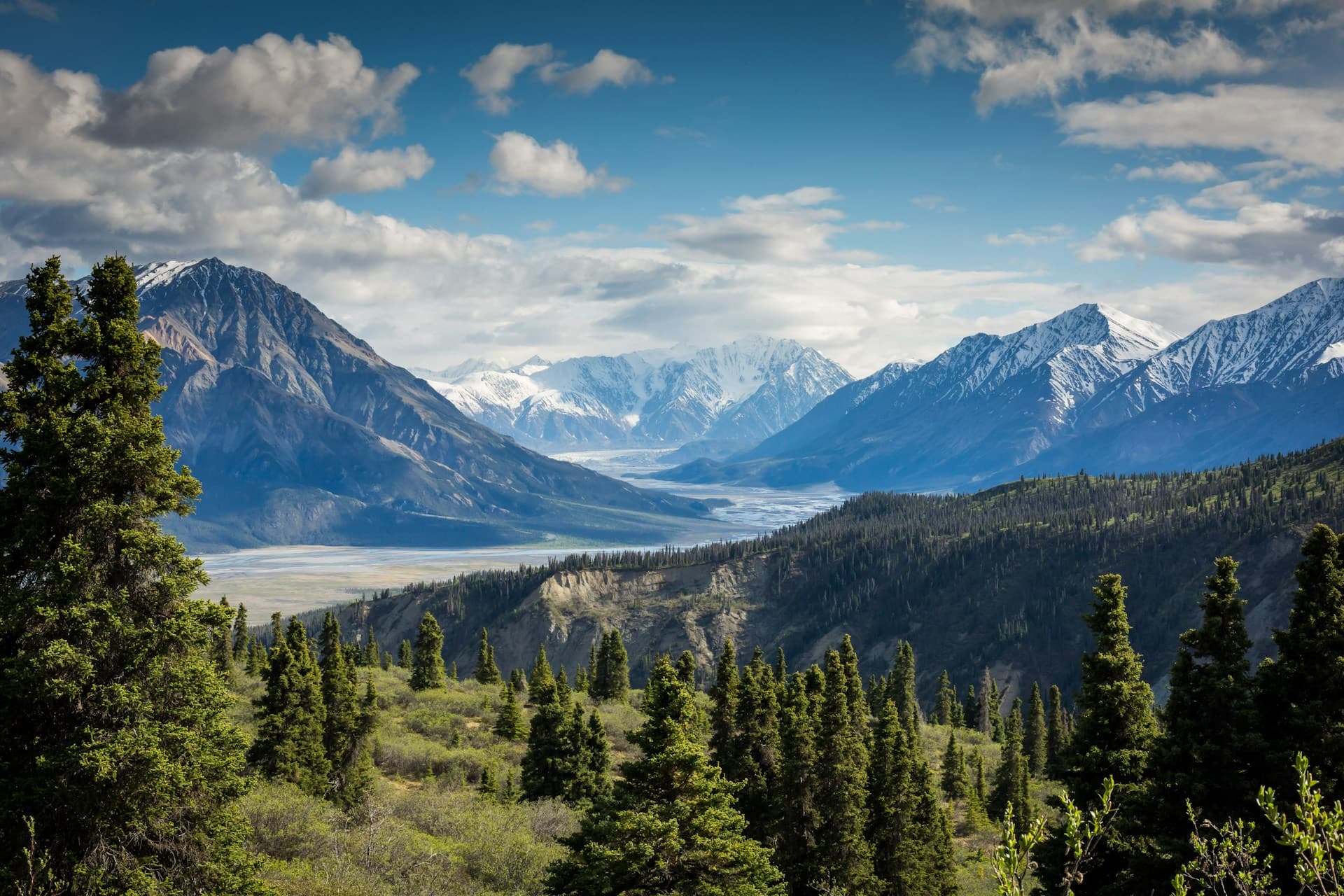
The Flint Hills are a geologic and ecological marvel: a 200-mile-long, 50-mile-wide band of chert (flint) bedrock running north-south through eastern Kansas from near Manhattan to the Oklahoma border. Shallow, rocky soils prevented settlers from converting this landscape to farmland, as they successfully did with 97% of the nation's tallgrass prairie. Today, the Flint Hills contain the largest remaining intact tallgrass prairie in North America—over 4 million acres of rolling, windswept grassland dominated by big bluestem, Indian grass, and little bluestem.
The Flint Hills Scenic Byway (Kansas Route 177, 47 miles from Council Grove to Cassoday) is one of the most scenic drives in Kansas, winding through the heart of Flint Hills cattle country. It passes beneath towering bluestem grass, alongside ranch headquarters, and through historic towns that time nearly forgot. For RV travelers, the Flint Hills offer an unparalleled chance to experience what the Great Plains looked like before the plow—and to base yourself in a string of charming small towns and state parks.
Learn more about accommodation options across the state: Kansas RV Parks.
TL;DR
- 4 million acres of tallgrass prairie—the largest remaining in North America. Elsewhere, 97% of the tallgrass prairie has been converted to farmland or urban development.
- Annual spring burning (late March–April)—ranchers burn pastures to control woody encroachment and rejuvenate native grass. The result: dramatic fire and smoke vistas, along with clear skies and vibrant new growth.
- Tallgrass Prairie National Preserve—11,000 acres managed by the NPS near Strong City, free entry, home to a managed bison herd accessible only via ranger-led bus tour.
- Flint Hills Scenic Byway (Route 177)—47 miles of two-lane pastoral highway, best experienced April–May (wildflowers, mild weather) or October (golden bluestem grass and clear skies).
- Chase County Courthouse—the most photographed building in Kansas, a stunning 1873 Second Empire limestone structure in downtown Cottonwood Falls.
- Spring wildflowers—peak bloom mid-April to mid-May, with purple coneflower, black-eyed Susan, and prairie blazing star creating a natural wildflower garden.
Access Zones
The Flint Hills region breaks into four distinct access points, each with different services, attractions, and strategic advantages for RV travelers.
Council Grove (North Gateway)
Council Grove anchors the north end of the Flint Hills Scenic Byway along US-56. This charming Santa Fe Trail town combines RV-friendly facilities with genuine historic character. Council Grove Lake offers 1,200 acres of water, with a state park campground that includes 100+ RV sites and full hookups. The town itself is a living outdoor museum: the Custer Elm (under which General Custer supposedly camped), the Madonna of the Trail statue, and the Hermit's Cave are just a few of the 28 historic landmarks packed into a one-square-mile historic district. This is the best jumping-off point for north-to-south Byway drives and exploration of the northern Flint Hills.
Nearby: Eastern Kansas RV Parks.
Cottonwood Falls / Chase County (Central)
Cottonwood Falls is the county seat and the symbolic heart of the Flint Hills. The 1873 limestone Chase County Courthouse dominates the town square and is the most photographed building in Kansas—with good reason. The surrounding landscape is quintessential Flint Hills: rolling grassland, ranch headquarters, and sweeping vistas. Cottonwood Falls is the closest town to Tallgrass Prairie National Preserve and offers bed-and-breakfast lodging, but RV camping is limited; most visitors base themselves in Emporia or Council Grove and day-trip here.
Emporia (South Gateway)
Emporia, 20 miles south of Tallgrass Prairie NP, is the best full-hookup RV base for Flint Hills exploration. Situated at the intersection of I-35 and US-50, Emporia offers full-service RV parks with pull-through sites, Wi-Fi, laundry, and dump stations—amenities you won't find in small towns closer to the park. Emporia is also a genuine regional hub with restaurants, grocery stores, and gas stations. For travelers who prioritize comfort and convenience, Emporia is the logical choice.
More options nearby: Emporia RV Parks.
Strong City (NP Adjacent)
Strong City sits on US-177 near the Chase County line, practically adjacent to Tallgrass Prairie NP. Spring Hill Ranch, the NPS visitor center and historic ranch, is located here. However, Strong City is small, with very limited RV services and no public camping. It's best used as a daytime base for visiting the park's attractions, with overnight stays in Emporia or Council Grove.
Things to Do
The Flint Hills offer a concentrated menu of outdoor activities, all centered on landscape, history, and conservation.
Flint Hills Scenic Byway Drive
Route 177 north-to-south (or vice versa) is a 47-mile journey through time. Drive early morning for the best chance of seeing white-tailed deer, pronghorn antelope, and cattle herds silhouetted against the prairie. April and May bring wildflower bloom—purple coneflower, prairie crocuses, and black-eyed Susan create a rolling tapestry of color. October transforms the grassland into gold and burnt orange as the big bluestem reaches peak color. Pull-outs at nearly every hilltop allow for photography, and the drive is manageable for most RV sizes (two-lane paved road with occasional cattle crossings).
Tallgrass Prairie NP Bison Bus Tour
The only way to see the park's managed bison herd is via a ranger-led bus tour. Tours last 90 minutes, cost $5 per person, and depart from Spring Hill Ranch visitor center. Bison are magnificent, and a close encounter in their native grassland habitat is unforgettable. Tours fill up quickly in spring and fall; book ahead online or call ahead.
Chase County Courthouse Tour
The 1873 Second Empire limestone courthouse in downtown Cottonwood Falls is a architectural masterpiece and the most photographed building in Kansas. The exterior is free to view anytime. Interior tours (which reveal gorgeous period details, stained glass, and original woodwork) cost $5 per person and require advance notice. Call ahead to arrange.
Spring Burning Season Photography
Late March through April, ranchers conduct controlled burns across the Flint Hills to control woody encroachment and rejuvenate native grass. If you time your visit right and coordinate with the Kansas Department of Wildlife, Parks and Tourism (KDWPT) burn map, you can witness extraordinary light and fire photographs. Burn plumes create dramatic cloudscapes, smoke reddens the afternoon sun, and freshly burned ground glows with new growth. This is bucket-list landscape photography for those with the timing and interest.
Council Grove National Historic District
US-56 runs through Council Grove, the last supply point on the Santa Fe Trail before the crossing. The town itself is a repository of 19th-century history: the Madonna of the Trail statue, the Hermit's Cave, the Custer Elm, historic churches, and period homes. Spend a half-day exploring; a self-guided walking tour map is available at the visitor center.
Learn more about the broader region: Western Kansas RV Parks cover the High Plains corridor beyond the Flint Hills.
Practical Tips
Burning Season and Visibility
Smoke from spring controlled burns can reduce Route 177 visibility to near-zero on some afternoons. Before driving, check the KDWPT burn hotline (or website) for current and forecast burns. If visibility is poor, postpone your drive or plan an alternative activity.
Camping at Tallgrass Prairie NP
Tallgrass Prairie National Preserve has no campground. Plan to stay in Emporia (20 miles south) or Council Grove (north end of Byway). Both offer full RV hookups and are within a reasonable day-trip radius.
Cell Service in Chase County
Chase County has essentially zero cell service in most areas away from Cottonwood Falls. Download offline maps (Google Maps offline feature, or a dedicated offline mapping app), carry paper directions, and expect to be out of touch. This is a feature, not a bug, for those seeking genuine disconnection.
Rig Size Considerations
The Flint Hills Scenic Byway is a two-lane paved road, manageable for rigs up to 35–40 feet with moderate care. Pull-outs are adequate, cattle occasionally cross the road, and traffic is light. Class A motorhomes and fifth wheels are common here; drive slowly, especially in spring when calves are present.
Council Grove Lake Campground Reservations
Council Grove Lake State Park campground is popular year-round and especially in spring and fall. Reservations open exactly 12 months in advance and fill quickly. Plan ahead.
Spring Weather and Tornadoes
April and May in Kansas are severe storm season. Tornadoes are possible. Carry a NOAA Weather Radio with battery backup, know the location of sturdy shelters (visitor centers, town buildings), and monitor forecasts closely. Most spring days are beautiful; just be prepared for rapid changes.
October: The Hidden Gem
While spring attracts most visitors, October in the Flint Hills is arguably superior. For full-hookup park options near the Flint Hills Scenic Byway's southern end, see Wichita RV Parks — Wichita is 90 minutes south with the best park infrastructure in the state. Golden bluestem grass, clear blue skies, mild temperatures, and minimal crowds create a landscape that rivals any fall color destination in the Midwest. If you have flexible timing, October is the ideal month.
Cost Math
Let's compare typical three-night stays for a family exploring the Flint Hills.
Emporia Full-Hookup RV Park Base
- Nightly rate: $30–42 (full hookups, pull-through)
- Three nights: $90–126
- Total cost: $90–126
Council Grove / Chase County Bed-and-Breakfast
- Nightly rate: $115–155 (per room, limited to 1–2 beds)
- Three nights: $345–465
- Total cost: $345–465
Savings with RV Base Strategy
Using Emporia as a full-hookup base and day-tripping to Cottonwood Falls (20 miles) and Council Grove (north, 45 miles) saves $220–340 over three nights compared to B&B lodging. For longer stays (5–7 days), the savings multiply. RV travelers enjoy unlimited space, ability to prepare meals, no checkout pressures, and sleeping under the same roof each night—at a fraction of the cost.
Flint Hills Area RV Parks: At a Glance
| Park Name | Location | Type | Hookups | Sites | Day-Use | Key Features | Contact |
|---|---|---|---|---|---|---|---|
| Council Grove Lake State Park | Council Grove (US-56) | State Park | Water, Electric, Sewer | 100+ | Yes | Historic town, lake fishing, full facilities | (620) 767-7252 |
| Emporia RV Park | Emporia (I-35/US-50) | Private | Full (W/E/S) | 45+ | Yes | Pull-throughs, Wi-Fi, laundry, near US-50 corridor | (620) 342-2212 |
| Tallgrass Prairie NP | Strong City (US-177) | National Preserve | None | — | Yes | Bison bus tours ($5), ranger-led programs, free entry | (620) 273-6034 |
| Cottonwood Falls RV Area | Cottonwood Falls (US-177) | Mixed | Varies | 15–20 | Yes | Close to courthouse, limited services, very small | Local info only |
| Melvern Lake USACE Campground South of Cottonwood Falls (US-177) | Federal | Water, Electric | 50+ | Yes | Larger lake, fishing, quieter, fewer tourists | (620) 753-4408 | |
| A&C RV Park | Emporia | Private | Full (W/E/S) | 30+ | No | Quiet, residential setting, seasonal hours | (620) 343-6700 |
| Olpe City Lake | Olpe (east of Flint Hills) | Municipal | Water, Electric | 20+ | Yes | Small, local-friendly, budget-friendly | (620) 561-5335 |
| Pecan Grove RV Park | Emporia | Private | Full (W/E/S) | 40+ | Yes | Shade, pull-throughs, seasonal rates | (620) 343-5500 |
Note: Rates, availability, and amenities are subject to change. Call ahead to confirm reservations, especially during April–May and October peak seasons. Tallgrass Prairie NP (https://www.nps.gov/tapr/) and Council Grove State Park (https://ksoutdoors.com/State-Parks/Locations/Council-Grove-Lake) offer detailed info on NPS and state facilities.
Frequently Asked Questions
When is burning season, and is it safe to drive through? Burning season runs late March through April. Ranchers conduct controlled burns to manage woody growth and rejuvenate native grass. Visibility can drop to near-zero on burn days. Check the KDWPT burn hotline or website before driving Route 177. Most days are clear; just be prepared for smoke and plan alternatives if needed.
Should I drive the entire Flint Hills Scenic Byway or explore a shorter section? The 47-mile Route 177 drive (Council Grove to Cassoday) is the definitive Flint Hills experience and can be done in a leisurely 2–3 hours with photo stops. Combine it with the Council Grove historic district and/or Tallgrass Prairie NP for a full day. If time is limited, the 20-mile stretch from Emporia northward to Cottonwood Falls captures the scenic essence.
How do I book a Tallgrass Prairie NP bison tour? Tours depart from Spring Hill Ranch visitor center (near Strong City) and are ranger-led, 90 minutes, and cost $5 per person. Spots fill quickly, especially April–May and October. Book online at nps.gov/tapr or call (620) 273-6034. Walk-ups are possible on quiet days, but advance booking is safer.
Is Chase County really no-cell-service? Yes. Most of Chase County (away from Cottonwood Falls town) has no cellular coverage. Download offline maps before you arrive. Google Maps has an offline feature; dedicated apps like Maps.me also work. Carry paper directions. This lack of connectivity is part of the Flint Hills appeal for many travelers.
Is spring (April–May) or fall (October) better for visiting? Spring offers wildflowers, milder weather, and burning season drama. October offers golden grass, clear skies, and fewer crowds. Both are excellent. Spring is busier; fall is quieter and often overlooked. If you dislike crowds, choose October. If you want wildflower photography, choose April–May.
How far in advance do Council Grove Lake State Park reservations open? Reservations open exactly 12 months ahead and fill quickly, especially for April–May and October weekends. Plan your dates and book immediately when the window opens. Check ksoutdoors.com for current reservation dates.
When do spring wildflowers peak in the Flint Hills? Peak bloom is mid-April to mid-May. Purple coneflower, black-eyed Susan, prairie blazing star, and wild bergamot are the main species. Timing varies by year and weather; in very warm springs, peak may shift earlier. Early May is the safest bet for reliably excellent bloom.
What tornado safety precautions should I take in April–May? Carry a battery-powered NOAA Weather Radio and monitor forecasts closely. Know the location of sturdy shelters in each town (visitor centers, libraries, town halls). If a tornado warning is issued, move to the shelter immediately. Most days are beautiful; severe weather typically comes in isolated storms. Stay informed and take warnings seriously.
Are Class A motorhomes and large fifth wheels safe on Route 177? Yes. The Flint Hills Scenic Byway is a two-lane paved road, well-maintained, with adequate pull-outs and low traffic. Rigs up to 35–40 feet are common and safe. Drive at moderate speeds, especially in spring when calves are present and visibility can be limited. The road is forgiving and scenic.
What is the Santa Fe Trail history at Council Grove? Council Grove was the last supply point on the Santa Fe Trail before the long crossing to the Arkansas River. The town is named for a council held between traders and Osage Nation members. Today, 28 historic landmarks commemorate this era: the Madonna of the Trail statue, the Hermit's Cave, the Custer Elm, period churches, and trading post sites. A self-guided walking tour map is available at the visitor center.
Thinking About Selling Your RV Park in the Flint Hills?
The Flint Hills represent one of North America's most irreplaceable landscapes—a living testament to the tallgrass prairie ecosystem that once covered the Great Plains. As awareness of conservation and eco-tourism grows, RV parks in this region are positioned to capture a new generation of travelers seeking authentic, sustainable outdoor experiences.
If you own or operate an RV park in the Flint Hills, Council Grove, Cottonwood Falls, or Emporia area, the demand for quality accommodations is rising. Whether you're looking to retire, consolidate operations, or explore partnership opportunities, the timing and market conditions have never been better.
Jenna Reed, Director of Acquisitions at rv-parks.org, works directly with RV park owners to understand the true value of their property—from operational cash flow and seasonal patterns to strategic location and growth potential. The Flint Hills' unique ecology and growing eco-tourism appeal make parks here attractive to both individual investors and institutional buyers.
Ready to explore your options? Let's talk. Contact Jenna at jenna@rv-parks.org to discuss your property, your goals, and how rv-parks.org can help you achieve them.
Last updated: March 2026. All rates, hours, and contact information are subject to change. Please verify details with individual parks and attractions before planning your trip.