Quick Definition
The Beartooth Highway (US-212) is a 68-mile scenic corridor connecting Red Lodge, Montana, to Cooke City, Montana, and the northeast entrance of Yellowstone National Park. Charles Kuralt called it "the most beautiful drive in America"—and for RV travelers, it's the gateway to some of Montana's most dramatic high-altitude camping. The highway climbs 5,000 feet in just 24 miles from Red Lodge to Beartooth Pass (elevation 10,947 feet), traversing switchbacks that rival anything in the Northern Rockies. Open from late May through mid-October, it's a seasonal route that rewards drivers with pristine alpine scenery, world-class fishing, and proximity to Yellowstone's quieter northeast entrance.
Red Lodge (population 2,100) anchors the western gateway and serves as the primary RV hub for the region. Explore Gold West Country RV Parks for the broader regional context of where the Beartooth fits into Montana's RV ecosystem.
Access Zones: Red Lodge & Cooke City Corridors
Red Lodge: The Gateway Hub
Red Lodge is where most travelers base themselves before or after tackling the Beartooth. The town sits at 5,500 feet elevation and offers full services—fuel, groceries, dining, and medical facilities. For RV travelers, it's the last place to stock up before heading east. The Red Lodge area has three primary RV park zones:
- Downtown Red Lodge: Private parks within walking/short driving distance of the town center, shops, and restaurants. Best for travelers who want creature comforts.
- South Red Lodge: Parks slightly south of town, closer to the Beartooth Highway entry point and Custer National Forest access.
- East Red Lodge: Parks positioned along the highway approach, offering quick access to the Beartooth ascent.
Cooke City: The Yellowstone Satellite
Cooke City (population ~150) sits just 2 miles from Yellowstone's northeast entrance and doubles as a staging area for park visitors. It's smaller, more remote, and seasonal—most services close November through April. Campgrounds here are closer to the mountain and Yellowstone proper. Compare this geography with RV Parks in Bozeman, which offers a larger town footprint but is 90+ miles away.
Switchback Grade & Vehicle Restrictions
The Beartooth Highway is open to all vehicles, but the National Forest Service and Montana DOT advise against RVs over 35 feet attempting the switchbacks between Red Lodge and Beartooth Pass. The grade steepens to 12% in sections, and brake fade is a real risk for larger rigs. Thirty-five feet is practical; 40+ feet courts serious downhill risk.
What to Do: Scenic Drives, Fishing & Alpine Recreation
The Beartooth Pass Drive Itself
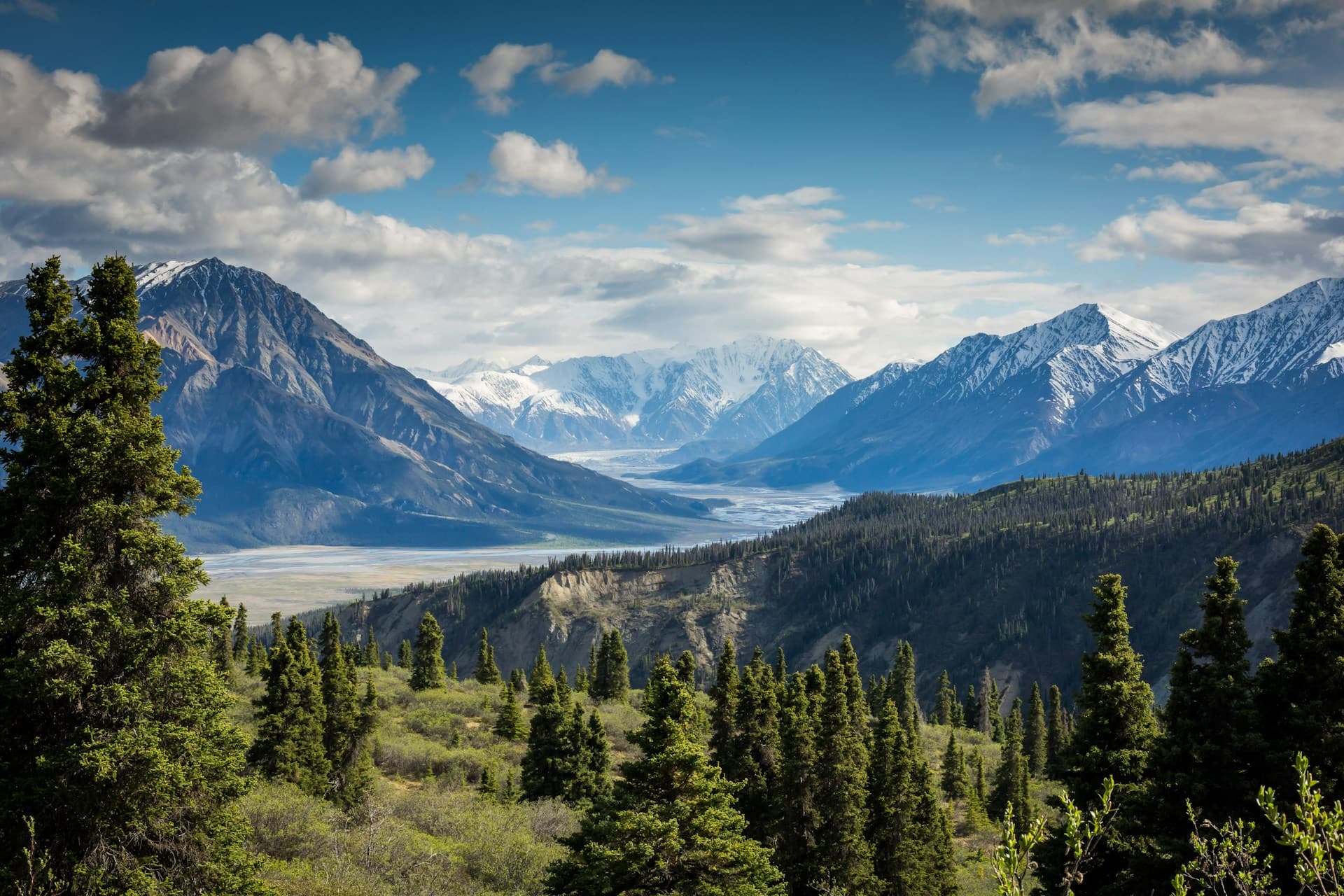
The highway isn't just a route—it's the attraction. The drive from Red Lodge to Cooke City takes roughly 1.5 to 2 hours depending on stops. Pullouts dot the route: Gardner Lake overlook, Beartooth Lake (accessible via short walk), and the Beartooth Pass summit viewpoint. In clear weather, you'll see the Absaroka Mountains sprawling eastward toward Yellowstone. Snow can appear even in summer on the high shoulders, and early/late season travel requires chains or winter tires.
Fishing
The Beartooth Plateau contains some of Montana's best cutthroat and lake trout fisheries. Beartooth Lake itself is popular and accessible from a small parking area. Brooks Lake, Wyoming (just south of the plateau), is known for mackinaw and cutthroat. Island Lake and other high-altitude tarns require hikes but reward anglers with solitude. Most require catch-and-release or possession limits—check Montana FWP regulations.
Hiking & Mountain Biking
Short alpine hikes include the Beartooth Lake Trail (moderate, 0.5 miles) and passes near Beartooth Pass summit that reward visitors with 360-degree vistas. Mountain bikers use Forest Service roads on the plateau and Custer National Forest trails. Mid-June through early September is optimal; snow lingers at high elevations into July.
Rock Climbing & Photography
The granite peaks flanking the plateau attract climbers and photographers. The scenery is legendary for sunrise/sunset work. Winter photographers come for snow-laden peaks, though road access is via snowmobile or summer-closure roads. Check Montana RV Parks for campgrounds that anchor longer stays in the region.
Practical Tips: Seasonal Planning & Road Conditions
Open Season: Late May to Mid-October
The Beartooth Highway is closed by snow roughly November through April (exact dates vary by winter severity). Check Montana DOT road conditions the day before travel. Studded tire requirements are posted seasonally. Summer temperatures on the plateau run 40–70°F; bring layers even in July.
Fuel & Supplies
Red Lodge has full services. Cooke City has limited fuel (one pump station) and limited food. Stock up in Red Lodge before heading east if you're staying in Cooke City or beyond. Cell service is spotty on the plateau and in Cooke City.
Towing & Brake Cooling
Downhill grades on the western side (Red Lodge to pass) exceed 10%. Descending toward Cooke City is less extreme but still steep. Use low gear and avoid riding brakes. Many RV drivers report needing to pull over mid-descent to cool brakes. Plan 3+ hours if you're cautious.
Alternative Routes
If the Beartooth is closed or your rig is too large, detour via US-89 (Livingston–Gardiner–Cooke City), which adds 150+ miles but avoids the steep grades.
Learn more about regional camping logistics at RV Parks Near Lewis & Clark Caverns SP.
Cost Math: Nightly Rates, Seasonality & Budget Planning
RV Park Nightly Rates (2025)
Private parks in Red Lodge range from $35–$55/night (no hookups) to $55–$75/night (full hookups). Cooke City parks run $40–$60/night due to Yellowstone proximity. Custer National Forest campgrounds (recreation.gov) cost $20–$35/night and typically offer water/electric or vault toilets.
Weekly & Monthly Discounts
Most private parks offer 10–20% discounts for 7+ night stays. Winter rates in Red Lodge drop 30–40% (November–April ski season does drive some demand). Long-term winter tenants (3+ months) negotiate rates down to $900–$1,200/month.
Seasonal Price Peaks
July–August: Peak Yellowstone travel drives rates to the ceiling. June and September see 15–20% discounts. October–November: Fall foliage and pre-winter closures create demand swings.
Budget Travel Hackks
Stay in Red Lodge rather than Cooke City to save $10–$20/night. Custer NF campgrounds (first-come, first-served at most sites) offer free or cheap alternatives if you have time to scout. Enter Yellowstone via the northeast entrance (less congested than south/west gates) and base in Cooke City to avoid driving to tourist-heavy gateways.
Explore Glacier Country RV Parks for comparison pricing in northwest Montana.
Comparison Table: Red Lodge, Custer NF & Cooke City Options
| Park Name | Location | Type | Hookups | Nightly Rate | Season | Amenities |
|---|---|---|---|---|---|---|
| Bear Creek Saloon & RV Park | Red Lodge | Private | Full (30/50A) | $65–$75 | Year-round | Saloon, WiFi, laundry |
| Yellowstone Valley RV Park | Red Lodge | Private | Full (50A) | $60–$70 | May–Oct | Pull-throughs, dog park, pool |
| Red Lodge KOA Red Lodge | Chain | Full (50A) | $55–$70 | May–Oct | Cabins, pool, activities | |
| Custer NF: Soda Butte Campground | Cooke City approach | NFS | Water/electric | $25–$30 | June–Sept | Historic site, creek access |
| Custer NF: Beartooth Lake Campground | High plateau | NFS | Vault only | $20–$25 | July–Sept | Alpine, no vehicles >30 ft |
| Cooke City Campground | Cooke City | NFS | Vault only | $20–$23 | June–Sept | Yellowstone proximity, quiet |
| Lozeau's RV Park | Cooke City | Private | Full (30A) | $55–$65 | May–Oct | Small, quiet, family-run |
| Yellowstone RV Park & Campground | Cooke City area | Private | Full (50A) | $60–$70 | May–Oct | Pull-throughs, laundry, WiFi |
Rates shown are 2025 estimates; confirm directly with parks. NFS = National Forest Service (recreation.gov reservations required mid-June through Labor Day). Hookup availability and seasonal dates vary; call ahead for RVs over 35 feet.
FAQ: Your Beartooth Highway & Red Lodge Questions
Like this? Here are 10 questions we hear constantly:
1. Can my 40-foot motorhome make it over Beartooth Pass? Technically yes, but not recommended. The 12% grades, sharp switchbacks, and limited pull-out space make it risky. Most RV rental companies prohibit rigs over 35 feet. If you have a 40-footer, take the scenic byway via Livingston instead.
2. What's the best time to drive the Beartooth Highway? Mid-June through mid-September is safest. July and August have the warmest temps but also peak traffic and highest RV park rates. Late June and early September offer fewer crowds and equally stunning scenery.
3. Is the Beartooth Highway open year-round? No. It typically closes in November due to snow and reopens in late May. Check Montana DOT for current status before traveling in shoulder months (May and October).
4. Do I need snow chains in summer? Rarely, but early June and late September can see surprise snow. Check forecasts. Winter (Nov–April) closures make this moot, but early/late season visitors should carry or rent chains.
5. Where's the best place to stop for photos on the Beartooth Highway? Beartooth Pass summit (east side) and Gardner Lake overlook (west side) are iconic. Island Lake Viewpoint (south of the pass) offers dramatic granite peaks. Arrive early or late to avoid tourist crowds.
6. Can I fish in Yellowstone from Cooke City? Yes. The northeast entrance near Cooke City provides access to Lamar River, Slough Creek, and interior Yellowstone waters. You need a Yellowstone fishing permit (separate from Montana license).
7. How far is Cooke City from Yellowstone's main attractions? Cooke City is 30–45 minutes from the Grand Canyon of the Yellowstone (Canyon Village). Tower Junction and Mammoth are 40–60 minutes away. The northeast entrance is 2 miles away.
8. What's the cell service like on the Beartooth Highway? Spotty to nonexistent on the plateau itself. Red Lodge and Cooke City have decent Verizon/T-Mobile coverage in town. Plan accordingly for navigation and emergency communication.
9. Are there restaurants and groceries in Cooke City? Limited. One small store, one cafe, limited fuel. Red Lodge (30 miles west) has full services. Stock up before heading east.
10. Which RV parks are open year-round in Red Lodge? Bear Creek Saloon & RV Park and a few smaller private parks stay open winters. Most seasonal parks close November–April. Check ahead if you're considering winter RV residency.
Investment Angle: Why Red Lodge is Montana's Hidden RV Market Gem
Red Lodge sits at an enviable intersection of three premium travel demands:
1. Summer Beartooth Access (June–Sept) The Beartooth Highway draws 300,000+ vehicle trips annually. Three months of peak-season Yellowstone traffic funnels through Red Lodge. Summer nightly rates sustain $60–$75/night across well-maintained private parks, with 70%+ occupancy from early July through Labor Day.
2. Winter Ski & Shoulder Season (Dec–March) Red Lodge Ski Resort (5 miles south) drives winter demand. Ski packages, holiday family trips, and spring break create secondary peaks. Parks offering heated sites with 50A service command $50–$65/night even in winter—counter-seasonal cash flow most Montana operators don't have.
3. Regional Acquisition Scarcity Very few RV parks in the Red Lodge area have changed hands in the past decade. Existing operators are owner-operators; turnover is rare. New construction faces land constraints and environmental review. Supply is tight, and demand is growing.
Cap Rate & NOI Profile
A well-maintained 40–60 site park in Red Lodge with:
- 70% year-round occupancy
- $55/night blended rate
- 35% operating expense ratio
- $35K–$50K annual per-site NOI
...yields a cap rate of 8–11%, depending on purchase price. This rivals or exceeds market rates in Austin, Denver, and Phoenix, with far less management intensity and lower property taxes than Arizona/California peers.
Why This Matters
Red Lodge's owner-operator culture, seasonal resilience, and Beartooth-driven demand create a defensible, cash-generative asset class. Unlike Bozeman or Jackson Hole (heavily developed, regulated), Red Lodge still has room for smart operators. Ski access + Yellowstone access + underutilized summer season = premium market position.
If you own a park here and are thinking about transition, now is the time to explore options. The Beartooth Highway doesn't get busier; it gets better-known.
Bottom Line: Plan Your Beartooth & Red Lodge Stay
The Beartooth Highway is a bucket-list drive, not a casual byway. Plan accordingly: fuel up in Red Lodge, check road conditions, time your descent for brake cooling, and budget 3+ hours for the full run. Base yourself in Red Lodge for town amenities, or in Cooke City if you prioritize Yellowstone proximity and alpine solitude.
For RV sizing, keep it under 35 feet and under 40,000 lbs GVWR to stay safe on switchbacks. Summer rates are peak but crowds are real; shoulder months (June and September) offer better value and equally stunning weather. Winter driving is off the table, but winter camping in Red Lodge—paired with the ski resort—is a genuinely underrated market for RV park operators and travelers alike.
The highway opened in 1936. It still feels like discovery. Your RV experience here will likely stay with you. The numbers say park owners should be paying attention, too.
Related Resources
- Yellowstone National Park — Official NP site, northeast entrance info
- Montana FWP Fishing Guides — License, regulations, catch limits
- Montana DOT Road Conditions — Beartooth Highway status (winter/spring)
- Custer National Forest (recreation.gov) — Campground reservations