Quick Definition
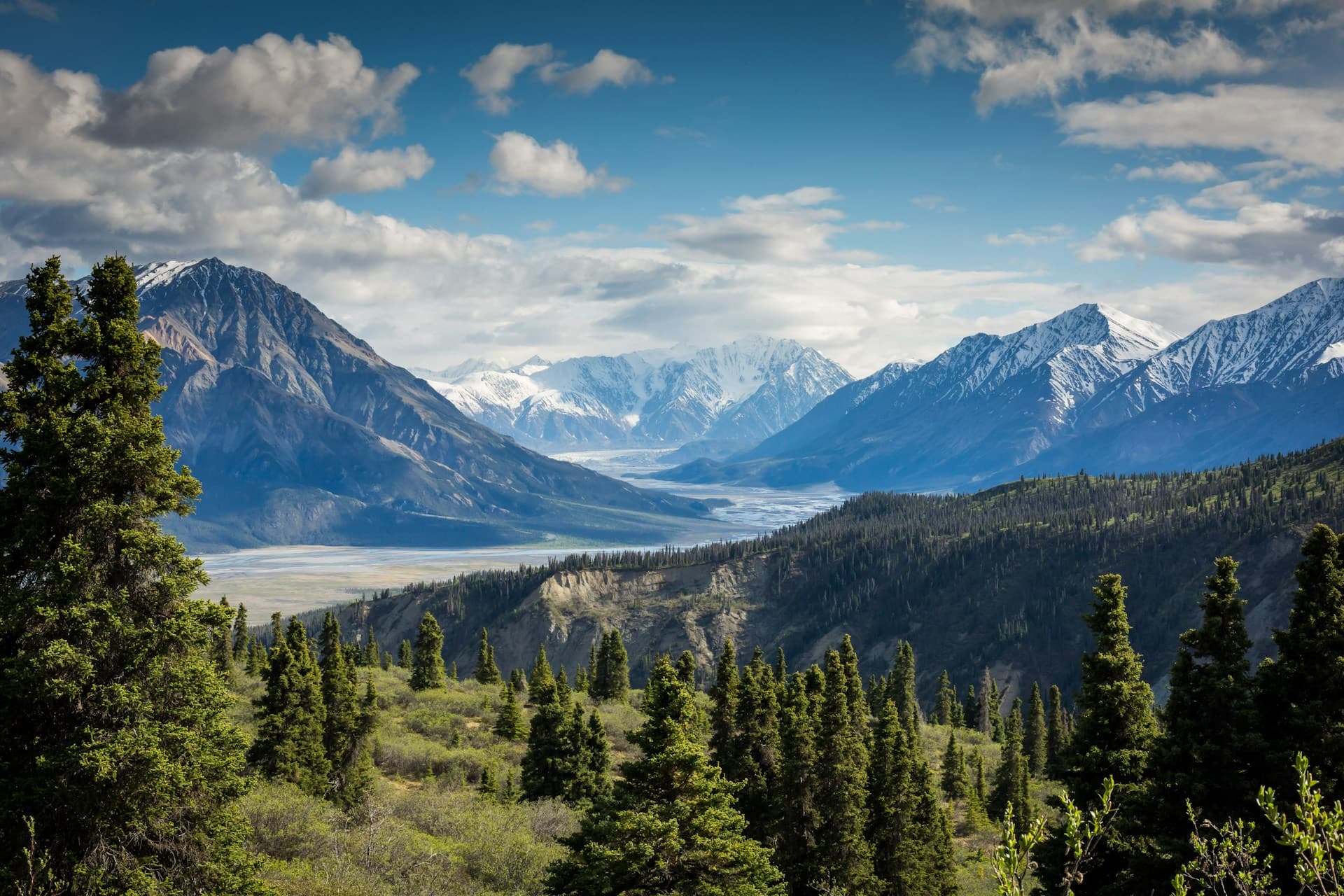
The Beartooth Highway—US-212 between Red Lodge, Montana, and Cooke City, Montana—is the premier mountain driving experience in the lower 48 states. At 68 miles long with a summit elevation of 10,947 feet (Beartooth Pass), this road has been called "America's Most Scenic Drive" by CNN, Travel & Leisure, and Road & Track. It's not just a shortcut to Yellowstone; it's a destination itself.
For RV travelers, the Beartooth Highway demands thoughtful trip planning. The switchbacks and elevation gains are manageable for most RVs, but the experience is utterly different from flat highway cruising. You'll navigate hairpin turns, watch timberline drop away beneath you, and share the summit with mountain goats and bighorn sheep. The payoff is worth every careful mile.
The best base camp for a Beartooth Highway trip is Red Lodge, Montana, where you'll find full-service RV parks at the highway's western gateway. From there, you can tackle the summit drive with confidence, knowing you have comfortable, reliable hookups waiting for your return. This guide is part of our broader Yellowstone Country RV Parks coverage.
TL;DR
- The Road: 68 miles of switchbacks from Red Lodge to Cooke City, climbing to 10,947 feet at Beartooth Pass
- Season: Open roughly Memorial Day through mid-October; closes with first significant snowfall (varies annually)
- RV Size: Most Class A and 5th wheels handle it fine; very large rigs (45+ feet) should verify clearances and grade conditions; truck-campers and Class C units report no major issues
- Base Camp: Stay in Red Lodge, which sits at the highway's western entrance—no need to deadhead to another town
- Wildlife: Grizzly bears, mountain goats, bighorn sheep, wolverines, and pika are common sightings from the road
- Plan Ahead: High elevation means cold weather even in August; fuel up in Red Lodge or Cooke City (limited availability at summit)
Base Camp Options Along the Highway
Red Lodge Base
RV Parks in Red Lodge — Red Lodge (pop. 2,000) is the logical starting point. It sits at 5,500 feet and has three solid RV parks with full hookups. The town offers groceries, fuel, restaurants, and outfitter services. Most travelers base here for 2–4 nights, leaving one full day for the 68-mile roundtrip to the summit and back. The advantage: you're not camping at 9,000 feet in August when the temperature drops to 40°F at night.
Beartooth Pass & USFS Camping
If you're adventurous, the U.S. Forest Service operates two primitive campgrounds at the summit: Beartooth Lake Campground and Island Lake Campground, both around 9,000 feet. These are minimalist—no hookups, pit toilets, cold water—but the views and solitude are unmatched. Sites are first-come, first-served and cost $15–$20/night. Note: these close as soon as snow falls, usually by late September.
Cooke City Gateway
Cooke City (pop. 75 year-round) is 30 miles northeast of the Beartooth Pass summit, serving as the northeast entrance to Yellowstone National Park. Three small campgrounds operate here seasonally, with a mix of hookups and primitive sites. Cooke City is useful if you're combining the Beartooth drive with a Yellowstone loop, but it's a longer day-trip from the summit.
Chief Joseph Highway Extension
The Chief Joseph Highway (WY-296) connects the Beartooth Highway to Cody, Wyoming, offering an equally scenic alternate route with often less traffic. It adds 60 miles to your loop but opens up the Absaroka Range and Cody's attractions—a worthwhile extension if you have 4+ days.
Things to Do
The Summit Drive Itself
The 34-mile one-way ascent from Red Lodge to Beartooth Pass is the main event. Allow 2–3 hours each way, driving slowly and stopping at turnouts. The views unfold gradually: open grassland, then ponderosa pines, then alpine tundra above 9,500 feet. Photographers should plan for afternoon light hitting the Absaroka peaks.
Beartooth Lake & Hiking
At 9,000 feet, Beartooth Lake sits in a glacial basin surrounded by snowfields (in early summer) and wildflowers (July–August). A 2-mile loop trail circles the lake. Park your RV at Beartooth Lake Campground and walk; the vistas are worth the cold.
Wildlife Spotting
Mountain goats are virtually guaranteed on the upper switchbacks. Bighorn sheep graze near Island Lake. Grizzly bears roam the high country but are rarely spotted from the road; stay alert and make noise at any pullout. Marmots and pika are cute roadside mascots at summit elevations.
Cooke City & Yellowstone Northeast Entrance
Cooke City is a quirky, authentic old mining town 30 miles past the summit. It's the closest RV access to the Northeast Entrance to Yellowstone, making it a logical detour if you're combining park visits with the scenic drive.
Chief Joseph Highway Loop
If you extend your trip, the Chief Joseph Highway south toward Cody offers red rock canyons and a gentler descent than the Beartooth. Combined with the Beartooth, it creates an unforgettable 3–4 day mountain loop.
Practical Tips
Know Your RV's Clearance & Grade
Switchbacks on the Beartooth have 6–7% grades (very manageable) and 15–20 foot tunnel clearances. Class A and standard 5th wheels clear fine. Rigs longer than 45 feet or with heavy slide-outs should check Montana highway conditions before the trip. Your RV park manager in Red Lodge can advise; call ahead if unsure.
Confirm Open Season Before You Go
The highway closes October–May with snow. However, early or late season can mean surprise closures. Check current conditions at Montana 511 (dial 511 in Montana or visit mt511.org) or call the Red Lodge Chamber of Commerce at 406-446-1718 before committing to the drive.
Altitude Sickness is Real
Beartooth Pass elevation (10,947 ft) triggers headaches, nausea, and fatigue in some people. Ascend slowly, stay hydrated, avoid alcohol your first night, and consider over-the-counter altitude aids. Descending 2,000 feet usually reverses symptoms within hours. It's not dangerous for most travelers but plan rest time.
Fuel Up in Red Lodge or Cooke City
No fuel stations exist between Red Lodge and Cooke City. Both towns have reliable gas. An RV using 5–7 MPG can make the roundtrip on one tank, but don't gamble—fill up before ascending.
Pack Layers for High-Altitude Weather
Even in July, the summit sits 20–30°F below the base elevation. Bring fleece, rain jackets, and warm hats. Afternoon thunderstorms are common; lightning strikes near the summit are a real hazard. If storms build, descend immediately. For more Montana trip planning resources, see RV Parks in Montana.
Cost Math
RV-Based Trip (Red Lodge, 3 nights)
| Item | Cost |
|---|---|
| Red Lodge KOA, 3 nights @ $55/night | $165 |
| Fuel (est. 4 gal @ $3.50/gal) | $14 |
| Groceries & meals (self-catered) | $60 |
| Total | $239 |
Hotel Alternative (Billings, 3 nights)
| Item | Cost |
|---|---|
| Hotel, 3 nights @ $129/night | $387 |
| Meals out (est. 3 dinners @ $30 ea) | $90 |
| Fuel (driving Billings ↔ Beartooth) | $30 |
| Total | $507 |
Your RV Savings: $268 over 3 days
The real advantage: basing in Red Lodge puts you at the gateway. A Billings hotel requires an extra 2-hour drive each way to reach the Beartooth Highway. With an RV, you roll out of your site and drive the highway the same morning—no deadheading, no wasted time. For families or groups, the per-person RV cost is even lower when you account for shared accommodations and kitchen cooking.
RV Parks Near Beartooth Highway: At a Glance
| Park Name | Location | Full Hookups | Pull-Thru | Nightly Rate | Pets | Wi-Fi |
|---|---|---|---|---|---|---|
| Red Lodge KOA Red Lodge | Yes | Yes | $50–$70 | Yes | Yes | |
| Rock Creek Resort | Red Lodge | Yes | Yes | $55–$75 | Yes | Limited |
| Perry's RV Park | Red Lodge | Yes | No | $40–$55 | Yes | Limited |
| Beartooth Lake USFS Campground Beartooth Pass | No | No | $15–$20 | Yes | No | |
| Island Lake USFS Campground Beartooth Pass | No | No | $15–$20 | Yes | No | |
| Chief Joseph KOA Cooke City | Yes | Yes | $55–$70 | Yes | Yes | |
| Soda Butte Lodge Campground | Cooke City | Yes | No | $30–$45 | Yes | Limited |
| Billings KOA Billings | Yes | Yes | $55–$70 | Yes | Yes |
FAQ
Q: Can I drive the Beartooth Highway in my large RV?
A: Most 40–42-foot Class A motorhomes handle it well. Very large rigs (45+ feet) or those with heavy slide-outs should check clearance and grade ratings. Call the Red Lodge Chamber (406-446-1718) or your RV's manufacturer for specific guidance. Truck-campers and Class C units report no issues.
Q: When does the Beartooth Highway open and close?
A: Typically opens late May (after Memorial Day) and closes in October with the first major snowfall. The exact dates vary; some years it opens mid-May, other years it stays closed until June. Monitor Montana 511 or the Red Lodge Chamber for current conditions.
Q: What's the difference between the Beartooth Highway and the Chief Joseph Highway?
A: Both are scenic mountain passes. The Beartooth (US-212) reaches 10,947 feet with switchbacks and dramatic alpine scenery. The Chief Joseph (WY-296) is more remote, less crowded, and slightly lower in elevation. Together, they form a stunning loop if you have 4+ days. Many drivers combine them.
Q: Is there cell service on the Beartooth Highway?
A: Spotty at best. Red Lodge and Cooke City have decent coverage, but the summit and high passes are often dead zones. Download maps and emergency information before heading up. An emergency satellite communicator (Garmin InReach) is smart for peace of mind.
Q: Can I see wildlife from my RV?
A: Yes. Mountain goats are common on upper switchbacks. Bighorn sheep graze near Island Lake. Marmots and pika are everywhere at summit elevations. Grizzly bears roam the high country but are rarely spotted from the road. Drive slowly, watch pullouts, and use binoculars. Never feed or approach any animal.
Q: Should I be worried about altitude sickness in my RV?
A: Altitude sickness (headache, nausea, fatigue) affects some people above 8,000 feet. Ascend slowly, drink water, avoid alcohol, and rest your first night at elevation. Most people feel fine by day two. If symptoms persist, descend 2,000 feet. It's not dangerous for healthy adults but plan accordingly.
Q: What's the nearest town with supplies if I forget something?
A: Red Lodge is your supply hub—grocery store, hardware, fuel, restaurants. Cooke City has basic supplies but limited variety. Once you're on the summit, there's nothing until you descend. Stock up in Red Lodge before the drive.
Q: Can I camp at the summit itself?
A: Yes, at Beartooth Lake or Island Lake USFS campgrounds (9,000 ft). These are primitive—no hookups, pit toilets, cold water—but the solitude and views are incredible. Expect temperatures in the 30s–40s even in August. Bring sleeping bags rated for cold.
Q: How long does the drive take?
A: Allow 2–3 hours each way from Red Lodge to the summit, or 4–5 hours roundtrip if you include stops at scenic pullouts and hikes. Don't rush it. The point is the drive itself, not getting through it fast.
Q: Where can I find more RV parks in the region if Red Lodge is full?
A: Livingston, Montana is 60 miles south of Red Lodge and has several parks. It's a longer drive to the Beartooth Highway but an option during peak season. Billings (90 minutes south) also has parks but requires a longer daily commute to the highway.
Thinking About Selling Your RV Park Near Beartooth Highway?
If you own an RV park in the Beartooth Highway region—whether in Red Lodge, Cooke City, or along the corridor—we'd like to talk. Parks with access to this iconic scenic drive have built-in demand from travelers seeking the full mountain experience. The geography is your moat; the views are your asset.
We've acquired parks in similar locations, and we know what makes them operationally sound and financially attractive to future buyers. If you're considering selling or testing the market, reach out.
Contact Jenna at jenna@rv-parks.org or explore how we acquire parks.