Quick Definition
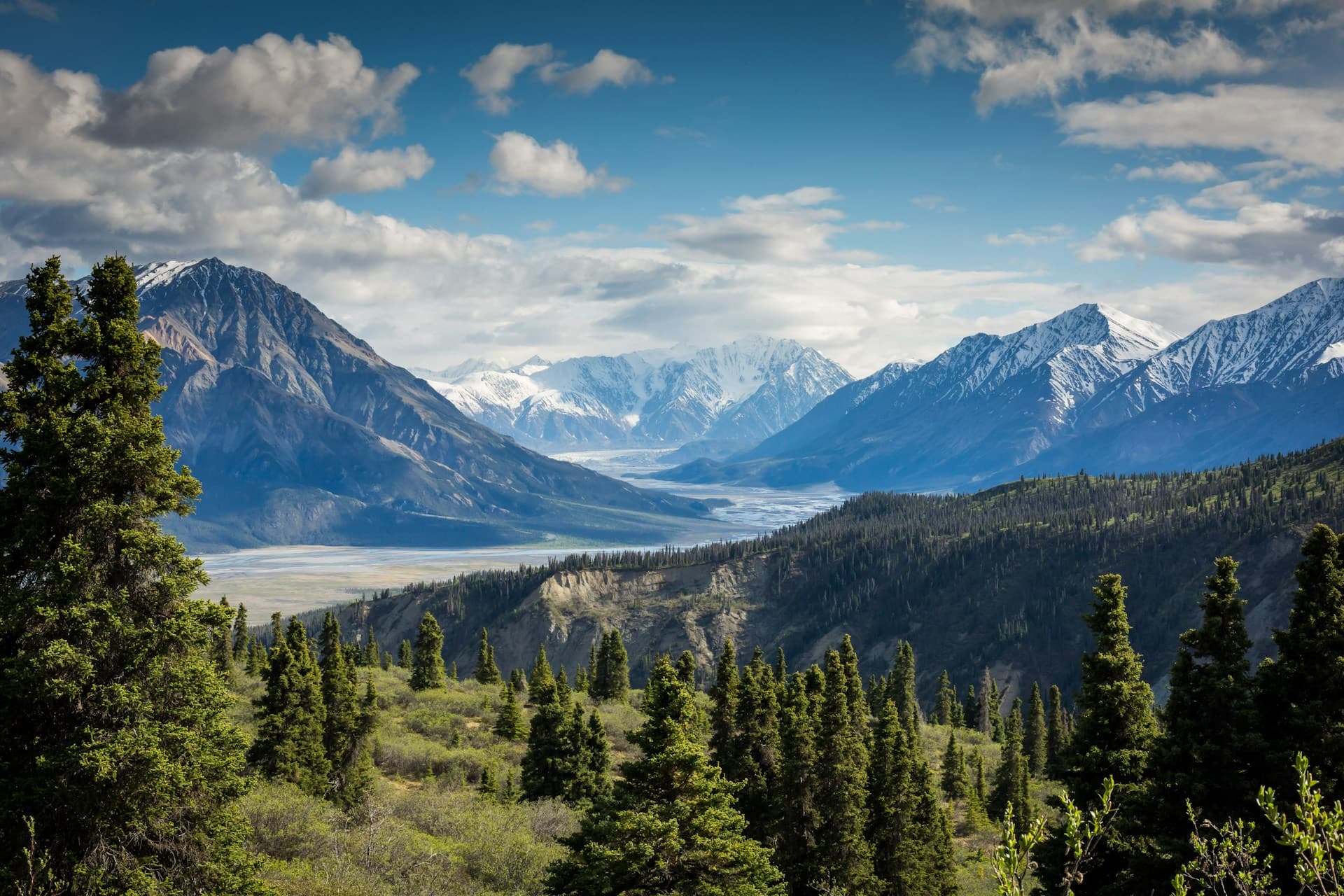
The Jemez Mountains define one of New Mexico's most dramatic volcanic landscapes. At the heart lies Valles Caldera National Preserve—a sprawling 13.7-mile supervolcano caldera spanning 89,000 acres with over 4,000 elk, wildflower meadows, and stunning vista points accessible via scenic NM-4 ($20/vehicle entry fee, NPS code VACA). The historic village of Jemez Springs, perched at 5,700 feet, anchors the region with natural hot springs including the free, primitive Spence Hot Spring (106°F soak with two small pools). Battleship Rock marks the dramatic confluence of the Jemez River and East Fork canyon, while the surrounding Santa Fe National Forest offers endless backcountry camping. The entire zone is stitched together by NM-4, a RV-friendly scenic highway (with some steep sections) that connects Los Alamos, Valles Caldera, Jemez Springs, Jemez Pueblo, San Ysidro, and ultimately I-25. For those planning a longer regional stay, the Rio Grande RV Parks corridor lies just 25 miles north and offers full-hookup alternatives.
TL;DR
- Valles Caldera is one of New Mexico's most dramatic landscapes. Free wildlife viewing from NM-4 pull-offs year-round; $20/vehicle entry to hike inside the caldera and visit ranger-led tours during peak season.
- Spence Hot Spring delivers free, primitive soaking at 106°F. Located at NM-4 mile marker 24.5, just 9 miles east of Jemez Springs; a 10-minute hike from parking with two small natural pools. Sunrise and sunset visits beat the summer crowds.
- NM-4 is RV-passable for rigs under 35 feet. Watch for a steep, winding descent near Jemez Canyon on the northern approach; the southern route from Jemez Springs is more gradual.
- Jemez Historic Site ($5 adult) spans 1,621 Spanish mission ruins and ancestral Jemez Pueblo (Giusewa) archeological sites. Interpretive trails and canyon views round out a 1–2 hour stop.
- Soda Dam is a free geological oddity worth a quick detour 6 miles north of Jemez Springs—a naturally formed calcium carbonate dam that blocks the Jemez River. Bizarre, photogenic, and minimal infrastructure.
- Closest full-hookup RV parks sit in Espanola (25 miles north) or the Los Alamos area. Plan accordingly; in-village options are rustic and primitive.
- Best seasons are April–May (wildflowers, mild temps) and September–October (crisp mornings, fewer crowds). Summer weekends pack Spence Hot Spring and popular day-use areas; winter access can close at higher elevations.
Check out RV Parks Near Bandelier National Monument for additional options if exploring the broader Santa Fe National Forest ecosystem.
Access Zones
Zone 1: Espanola/Rio Grande Corridor
This is the most reliable base for full-hookup comfort. Black Mesa KOA (25 miles north of Valles Caldera via NM-4) runs $40–58 per night and provides standard amenities—pull-throughs, Wi-Fi, laundry, and a general store. Espanola sits at the confluence of the Rio Grande and Rio Chama, making it a natural gateway to both the Jemez loop and Santa Fe. The town has restaurants, grocery chains, and gas, so resupply is painless. From Espanola, the drive south to Valles Caldera is roughly an hour on scenic NM-4; allow extra time if you're towing or new to the road.
Zone 2: Jemez Springs Area
Jemez Springs village itself offers limited RV infrastructure—mostly small, rustic parks and primitive USFS sites scattered along the Jemez River. East Fork Campground (USFS, free to $12 per night) is the workhorse option here: no hookups, first-come-first-served, and well-positioned for day trips to Spence Hot Spring, Soda Dam, and the Jemez River swimming holes. The village has a handful of cafés, a general store, and artisan galleries. This zone works best for RVers comfortable with minimal hookups and willing to embrace the slow-travel, off-grid aesthetic that Jemez Springs embodies.
Zone 3: Los Alamos Area
Los Alamos sits east of Valles Caldera (roughly 14 miles via NM-4) and offers Bandelier Juniper Campground as a secondary base for exploring the caldera loop. Note: Bandelier has no hookups and enforces a 26-foot length limit, making it suitable for smaller rigs or trailer stays. The town itself is a well-appointed hub—grocery, pharmacy, restaurants—with higher elevation (7,300 feet) and cooler summers. Los Alamos serves as a good pivot point if you're splitting time between the Jemez and Bandelier National Monument.
Zone 4: Ponderosa/Jemez Pueblo & Southern Gateway
The southern end of NM-4 near Jemez Pueblo and the I-25 junction offers primitive BLM sites and seasonal campgrounds. This zone works as an alternate gateway if approaching from Albuquerque (50 miles south) or if you're exploring the south-facing slopes of the Jemez range. Infrastructure is minimal; fuel and supplies require a 20–30 minute drive to larger towns like Bernalillo or San Ysidro.
Things To Do
Valles Caldera National Preserve
The crown jewel of the region. This 13.7-mile diameter supervolcano caldera is ringed by forested ridges and dotted with meadows (Valle Grande being the most accessible viewpoint, reachable from NM-4 via a free pull-off). Summer wildflowers (May–June) paint the meadows with lupine, paintbrush, and columbine. The park supports 4,000+ elk—your best chance to see them is at dawn or dusk from NM-4, or by paying the $20/vehicle entry fee and hiking one of the ranger-led trails deeper into the caldera. Photography enthusiasts should plan 1–2 hours minimum just for the drive-by vistas. In peak season, the visitor center near the entrance offers ranger talks and cultural programs celebrating the Valles Caldera's Ancestral Puebloan and Jemez Pueblo heritage.
Spence Hot Spring
Located at NM-4 mile marker 24.5 (9 miles east of Jemez Springs), Spence Hot Spring is a free, primitive gem that has become a must-do for visitors to the region. The parking area is small but adequate; from there, a gentle 10-minute hike drops you into a narrow canyon where two small natural pools sit nestled in the rock. Water temperature hovers around 106°F year-round, creating a surreal experience soaking under the open sky with canyon walls rising on either side. The spring has zero facilities—no toilets, no changing rooms—so come prepared. Sunrise and sunset visits are magical and typically see fewer crowds than midday summer traffic. If you're visiting on a July or August weekend, arrive before 8 a.m. or after 5 p.m. to avoid the shoulder-to-shoulder experience.
Jemez Historic Site
Situated 18 miles west of Los Alamos, Jemez Historic Site preserves the massive adobe ruins of a 1,621 Spanish colonial mission church alongside the ancestral Jemez Pueblo (Giusewa) settlement. The church walls—some reaching 40+ feet high—showcase both Spanish construction mastery and the labor of Indigenous craftspeople. Admission is just $5 per adult, and the interpretive trail winds through both the mission grounds and the pueblo archaeological areas. Plan 1–2 hours to absorb the history; the views down the Rio Guadalupe canyon add a layer of natural beauty. Spring and fall are ideal visiting seasons; avoid peak summer midday heat.
Soda Dam
Six miles north of Jemez Springs on NM-4, Soda Dam is a geological oddity that shouldn't be missed. A naturally formed dam of calcium carbonate (sinter) has, over centuries, completely sealed the Jemez River, creating a narrow channel and eerie landscape of white mineral crust. The pull-off is small and minimal, but a short scramble gets you close enough to appreciate the geology and snap dramatic photos. It's a 15-minute detour that pays off in conversation starters and unusual terrain.
Battleship Rock
At the junction of NM-4 and NM-126 (east of Jemez Springs), Battleship Rock rises as a dramatic columnar basalt formation overlooking the confluence of the Jemez River and East Fork. This is summer swimming heaven: a $3/vehicle day-use fee (USFS) gets you access to pullouts, picnic areas, and a popular swimming hole where the two waterways meet. The water is cold but refreshing; families and groups camp nearby at East Fork or Battleship Rock Campground and spend entire days here during June–August. The backdrop of vertical rock columns makes for stunning photography.
Practical Tips
RV Size and NM-4 Navigation. The scenic NM-4 highway is generally passable for RVs under 35 feet, but the northern approach (from Los Alamos down toward Jemez Springs) includes some steep, winding sections near Jemez Canyon. If towing a large trailer, consider entering from the south (Jemez Springs toward Valles Caldera) where the grade is more forgiving. Check current road conditions before departure; winter closures at higher elevations can strand you. Many RVers prefer the Espanola base and day-trip to attractions rather than navigate the hairpin turns with a rig.
Timing Spence Hot Spring. The spring is packed during summer weekends between 10 a.m. and 4 p.m. If soaking in crowds is not your style, visit in early morning (sunrise parking can be tight but peaceful by 7–8 a.m.) or evening (post-dinner, 6–8 p.m.). Spring (April–May) and fall (September–October) offer Goldilocks conditions: comfortable temps, manageable crowds, and the drive to mile marker 24.5 feels like a reward rather than a chore.
Elk Viewing at Valles Caldera. Early mornings (first light through 9 a.m.) and evenings (5–7 p.m. in summer) are prime. The best vantage is from Valle Grande viewpoint on NM-4 (free, pull-off) where you'll often see herds grazing in the meadow. Binoculars help. If you pay the $20 entry and take a ranger-led trail, your odds improve, but the spontaneous wildlife viewing from the road often surprises visitors.
USFS Camping Permits. Most USFS sites in the region operate on a first-come, first-served basis (East Fork, Battleship Rock, etc.). During July–August, arrive early or plan to roam. For longer stays or group trips, check with the Jemez Ranger District office about reserved sites. Some primitive BLM land (Zone 4) allows dispersed camping with no permit—a great option if you're flexible and enjoy solitude.
Combine with Bandelier or Los Alamos Day Trip. If based in Espanola, the drive to Bandelier National Monument (via Los Alamos) is 90 minutes and pairs perfectly with a Valles Caldera morning visit. You can hit the caldera early, grab lunch in Los Alamos, explore Bandelier's cliff dwellings, and return to camp by sunset. This triangle itinerary maximizes the volcanic geology and archeological richness of the region. Check Best RV Parks Near Santa Fe if you're splitting time between the Jemez and the capital city.
Best RV Parks & Campgrounds Near Jemez Mountains
| Park Name | Location | Full Hookups | Pull-Thru | Nightly Rate | Pets | Wi-Fi |
|---|---|---|---|---|---|---|
| Black Mesa KOA Espanola, NM | Yes | Yes | $40–58 | Yes | Yes | |
| Bandelier NM Juniper Campground | Los Alamos, NM | No | No | Free–$12 | Yes | No |
| East Fork Campground (USFS) | Jemez Springs, NM | No | No | Free–$12 | Yes | No |
| Jemez Valley RV Park | Jemez Springs, NM | Limited | No | $25–35 | Yes | Limited |
| Battleship Rock Campground (USFS) | Near Jemez Springs, NM | No | No | Free–$12 | Yes | No |
| Valles Caldera NP Day Use | Jemez Mountains, NM | N/A | N/A | $20 | Yes | No |
| Jemez River Camp (USFS) | Jemez Springs, NM | No | No | Free–$12 | Yes | No |
| Santa Fe KOA Santa Fe, NM | Yes | Yes | $45–65 | Yes | Yes |
Cost Analysis: 3-Night Jemez Mountains Trip
Scenario: Base yourself in Espanola and day-trip to Jemez Mountains and Valles Caldera.
RV Park Costs (3 nights, Black Mesa KOA): $40–58/night × 3 = $120–174 Valles Caldera Entry ($20/vehicle): 2–3 visits = $40–60 Gas (round-trip from Espanola to attractions, ~100 miles average): ~$20–30 (depending on rig) Meals (figure $30–50/day for groceries + one restaurant meal): $90–150 Miscellaneous (Jemez Historic Site $5, Soda Dam free, Spence Hot Spring free): $5
Total for 3 nights: $275–419 (averaging ~$92–140/day all-in)
Compare to hotel base (3-night stay in Espanola, modest motel ~$80–110/night): $240–330 for rooms alone, plus all attractions, meals, and gas—often totaling $350–500+ depending on dining choices. RVing saves money and offers flexibility.
FAQ
Do I need a reservation at East Fork or Battleship Rock Campground? No. Both are first-come, first-served USFS sites. During peak summer (late June through early August), arriving by late morning is recommended to secure a spot. Spring and fall offer easier access.
Is NM-4 safe to drive in an RV during winter? The road remains open year-round, but higher elevations (around Valles Caldera) can close during heavy snow. Call the Jemez Ranger District before winter trips. Most RVers avoid this region November–March due to cold overnight temps and variable conditions.
Can I stay overnight at Spence Hot Spring? No overnight camping at the spring itself. Nearest options are East Fork Campground (3 miles south) or Jemez Springs area parks. A day visit is the standard approach.
How long does it take to drive NM-4 from Espanola to Jemez Springs? Roughly 1 hour 20 minutes if you stop at Valle Grande viewpoint and other pull-offs. Without stops, it's 50–60 minutes. Add 15–20 minutes if you're pulling a large trailer or new to the road.
Is Spence Hot Spring appropriate for families with small children? Yes, but supervise closely. The hike is easy, but the natural pools have no railings and can be slippery. Water temperature is hot (106°F), so gradual entry is wise for kids.
Which season offers the best weather for camping near Jemez Mountains? April–May and September–October are ideal: mild days (60–75°F), cool nights, minimal crowds, and wildflower or fall foliage color. July–August is warm (75–85°F daytime) but crowded at popular spots.
Can I fish in the Jemez River near Jemez Springs? Yes, with a valid New Mexico fishing license. The river supports Rio Grande cutthroat and brown trout. Check current regulations and seasonal restrictions with the New Mexico Department of Game and Fish.
What's the best time of day to photograph Valles Caldera? Early morning light (6–8 a.m.) casts long shadows across Valle Grande meadow, and evening light (6–8 p.m.) creates warm tones. Midday can be harsh and washed out. If visiting for photography, plan arrival and departure around golden hour.
Are there cell phone signals in the Jemez Mountains area? Coverage is spotty in canyons and near Valles Caldera interior. Espanola and Jemez Springs have decent 4G. Expect slow/no service at higher elevations and in remote USFS sites. Download maps offline if connectivity is critical.
How far is the Jemez Mountains region from Albuquerque or Santa Fe? Albuquerque: ~90 miles (1.5 hours via I-25 and NM-4). Santa Fe: ~50 miles (1 hour via NM-4 north). Both are workable day-trip distances or reasonable bases if you want urban amenities nearby.
Thinking About Selling?
If you own an RV park in the Jemez Mountains region, along the Rio Grande corridor, or anywhere in New Mexico's outdoor hospitality landscape, I'd love to talk. We acquire parks for owner-operators and institutional buyers, and we bring real expertise in seasonal cash flows, volcanic region infrastructure, and what makes a park genuinely operational (versus a pretty liability).
I'm Jenna Reed, Director of Acquisitions at rv-parks.org. Over the past decade, I've worked both sides of the commercial real estate and RV park world—and I respect what you've built. Whether you're looking to transition, optimize operations, or explore a full exit, let's have a real conversation.
Reach out: jenna@rv-parks.org or visit /sell to start the process.
We're looking forward to your call.