Quick Definition
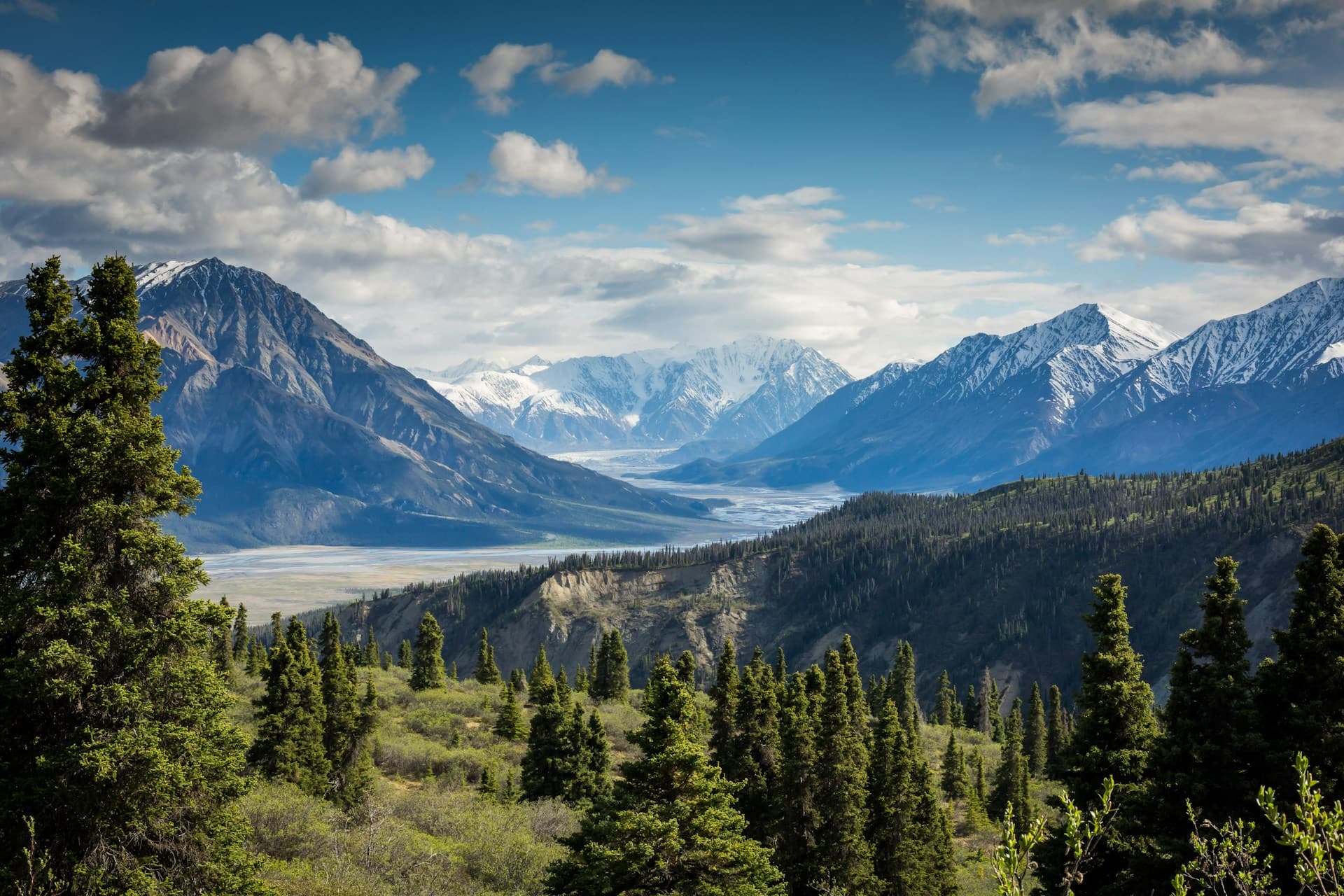
Rio Grande del Norte National Monument is a 240,000-acre BLM-managed landscape straddling the Taos Plateau Volcanic Field in northern New Mexico, where the Rio Grande Gorge cuts 800 feet deep through basalt cliffs established in 2013 as a monument and offers two distinct recreation hubs for RV campers. Orilla Verde, located 3 miles north of Pilar and 30 miles south of Taos, provides developed camping with some electric hookups for $7–14 per night, making it the most accessible option for travelers seeking gorge-side sites with river access. Wild Rivers, 26 miles north of Taos near Cerro, offers primitive camping ($7 per night) on the high plateau with 800-foot descent trails down to the river confluence of the Red River and Rio Grande. The monument charges a $3 per vehicle day-use fee and is home to world-class whitewater, sandstone hoodoos, Important Bird Area designation, and one of the West's most iconic bridges. For full-service RV bases supporting day trips into the monument, Rio Grande RV Parks anchor the Taos and Espanola corridors.
TL;DR
- Orilla Verde (BLM, near Pilar, 30 miles south of Taos) — most accessible camping in the monument; $7–14 per night with 6 electric sites ($14/night) out of 16 developed sites; river access for fishing and kayak launch; reserve early on recreation.gov for April–May weekends
- Wild Rivers (near Cerro, 26 miles north of Taos) — primitive canyon rim camping ($7/night) on the flat plateau; four developed sites (El Aguaje, Montoso, La Junta, Big Arsenic Springs); 800-foot descent trails to river confluence; excellent for hiking and solitude
- Rio Grande Gorge Bridge — 1.5 miles west of Taos Plaza, free to walk, 650 feet above the river, 10th highest bridge in the US; iconic sunrise and sunset photography destination; accessible 24/7
- Best seasons — April–June (peak whitewater, migrating sandhill cranes) and September–October (fall colors, low crowds, excellent fishing); June–August brings black-chinned and broad-tailed hummingbirds
- Whitewater — Class II–V depending on section; spring flows (April–May) are peak; Racecourse section (Class III–IV) runs 5 miles near Orilla Verde; multiple outfitters in Pilar
- Full-hookup bases — Black Mesa KOA near Espanola (40 miles south) and Taos Valley RV Park in town offer full amenities for monument day trips
- Monument demand — growing visitation (3M+ annually to Taos area) plus constrained RV park supply make this corridor increasingly premium for park ownership
Access Zones: Where to Stay
Orilla Verde (Inside Monument)
Orilla Verde is the developed heart of Rio Grande del Norte and the primary camping destination for RV travelers. Located at mile-marker 287 on NM-570, just 3 miles north of the village of Pilar, it sits 30 miles south of Taos and 40 miles north of Espanola. The BLM recreation area includes 16 developed campsites: 10 primitive sites ($7/night) and 6 electric hookup sites ($14/night). Amenities include pit toilets (some flush), picnic tables, fire rings, and direct river access. RVs up to 30 feet fit comfortably at most sites; larger rigs should call ahead to confirm site fit. The signature experience is camping under the gorge walls with the Rio Grande 50 feet from your rig. In spring (April–May), the campground fills every weekend; book 2–4 weeks in advance on recreation.gov for electric sites. Primitive walk-in sites often have same-day availability but may lack shade. Electric sites are riverside and worth the premium for reliable power.
Wild Rivers (Near Cerro)
Wild Rivers recreation area sits on the high northern plateau, 26 miles north of Taos via NM-378. Four distinct BLM campgrounds serve this zone: El Aguaje, Montoso, La Junta, and Big Arsenic Springs. Sites are primitive ($7/night), first-come first-served, with vault toilets and minimal amenities. The plateau elevation (8,200 feet) offers cooler temperatures than Orilla Verde and a flatter landscape better suited for larger rigs. The signature feature is the 800-foot descent to La Junta, the confluence of the Red River and Rio Grande, accessed by two moderate trails (Big Arsenic Springs Trail: 1.5 miles RT, easier; La Junta Trail: 2 miles RT, steeper). The Red River arm supports good brown trout fishing. This zone suits hiking enthusiasts, solitude seekers, and primitive camping advocates over amenity-focused travelers.
Espanola (40 Miles South)
Black Mesa KOA, located on US-84 near Espanola, is the best full-service base for monument day trips. Amenities include full hookups ($40–58/night), 45-foot pull-throughs, Wi-Fi, a swimming pool, and on-site dump facilities. The location is 40 miles south of Orilla Verde, making it a 1.5-hour drive to Orilla Verde and 2 hours to Wild Rivers. Espanola is also positioned for day trips to Bandelier National Monument (30 miles), Abiquiu Lake (USACE, 50 miles), and Santa Fe attractions. The KOA's full-service posture makes it ideal for RVers wanting laundry, shower facilities, and cell service between monument excursions.
Taos Area (30 Miles North)
Taos Valley RV Park sits in the town of Taos (population 6,000), offering full hookups ($38–52/night) with limited pull-throughs and tighter site spacing. The in-town location provides walkable access to galleries, restaurants, and the Taos Plaza. Orilla Verde is 30 miles south of downtown Taos on NM-68, a scenic two-lane highway that follows the Rio Grande through the canyon—one of New Mexico's most stunning drives. Black Mesa KOA near Espanola (40 miles away) also serves Taos-based RVers seeking full-service amenities. RV Parks in Taos offer additional options for travelers preferring town-based stays with monument access.
Things to Do
Rio Grande Gorge Bridge
The Rio Grande Gorge Bridge is the monument's most iconic feature, located 1.5 miles west of the Taos Plaza on US-64. The bridge spans 650 feet above the river, making it the 10th highest bridge in the United States (opened 1965 to significant engineering acclaim). Both the east and west sides feature pedestrian walkways offering unobstructed views of the gorge's basalt cliffs and distant Taos plateau. Sunrise is peak photography time: arrive 30–45 minutes before sunrise for the best pink-blue light; in summer, sunrise is 5:30–6:15 AM (arrive 5:00 AM), and in fall, 6:30–7:00 AM (arrive 6:00 AM). Bring warm layers—the plateau sits at 6,800 feet elevation and mornings are cold. The West Rim Trail (9.5 miles RT) departs west from the bridge and follows the gorge edge through volcanic terrain; it's spectacular but exposed and suitable for experienced hikers only. The bridge is free and accessible 24/7; the Milky Way over the gorge on moonless nights is unforgettable.
Whitewater Rafting (Pilar/Orilla Verde)
The Rio Grande whitewater corridor near Orilla Verde ranks among the West's premier rafting destinations. The Racecourse section (Class III–IV) runs 5 miles from Velarde to Pilar during peak spring flows (April–June) and is the primary commercial launch zone. The Taos Box section (Class IV–V) further north is for expert paddlers only. Multiple outfitters operate from Pilar, including Los Rios River Runners and New Mexico River Adventures. Day trips run $79–129 per person and include guide service, paddle, and safety gear. Multi-day backcountry trips are available for experienced paddlers. Spring flows (April–May) deliver the most exciting whitewater; summer and fall flows are lower but still fishable and suitable for rafters seeking a calmer experience. Kayak launches are available at Orilla Verde for private boaters.
Wild Rivers Trail System
The Wild Rivers area hosts two primary trails descending from the high plateau to the river confluence at La Junta. The Big Arsenic Springs Trail (1.5 miles RT) is the easier option, descending 800 feet to warm mineral springs where bighorn sheep and mule deer drink. The springs are accessed at river level and remain warm year-round. The La Junta Trail (2 miles RT) is steeper but more direct to the confluence. Both trails require moderate cardiovascular fitness—the return climb is demanding, and hikers with severe knee problems should avoid. The confluence itself is spectacular: the Red River (cold, clear trout water) and Rio Grande (larger, warmer) merge in a dramatic whitewater collision. Brown trout fishing at river level is productive from July through October (post-runoff). Plan 4–5 hours for a full loop including time to explore the confluence and fish. This is one of New Mexico's best-kept hiking secrets.
Birdwatching
Rio Grande del Norte is an Important Bird Area and one of the Southwest's premier birdwatching destinations. Resident and migratory species include violet-green swallows and white-throated swifts nesting in the gorge cliffs, golden eagles soaring above the plateau rim, and ring-necked pheasants in northern agricultural areas. Sandhill cranes migrate through the monument corridor October–November and February–March—early morning drives on NM-378 and NM-570 often yield sightings. Summer (June–September) brings black-chinned, rufous, and broad-tailed hummingbirds at wildflowers and around campsite feeders. American dippers forage along the Rio Grande in winter. Bring binoculars, a field guide, and patience; dawn and dusk are peak activity windows.
Fishing (Rio Grande and Red River)
The Rio Grande wild trout section runs from Arroyo Hondo south through the monument, supporting brown and rainbow trout populations. Public access points include Orilla Verde and the Wild Rivers confluence. Catch-and-release is recommended for larger fish to preserve the resource. The Red River section at Wild Rivers offers excellent brown trout fishing in a pristine setting. Water flows are critical: post-runoff months (July–October) offer the best fishing conditions; spring runoff (April–June) makes wading dangerous and visibility poor. A New Mexico fishing license is required. RV Parks in Espanola serve anglers basing day trips into the monument fishing zones.
Practical Tips
NM-68 Canyon Drive
The road from Espanola north to Pilar and Taos follows the Rio Grande through one of New Mexico's most scenic canyons. The 30-mile section between Velarde and Pilar, where the river is hemmed in by volcanic cliffs, is particularly stunning in fall (October) when cottonwoods turn gold. The road is paved and two lanes throughout, navigable by RVs of any size. Hairpin turns require attention and slow speed—drive at posted limits or slower, especially in morning light when shadows obscure road edges. This drive alone justifies a visit to the monument corridor.
Orilla Verde Electric Sites Strategy
Orilla Verde's 6 electric hookup sites ($14/night) are in extremely high demand April–June. Book 2–4 weeks in advance on recreation.gov for spring weekends; cancellations often open same-week slots if you're flexible. Primitive walk-in sites ($7/night) usually have same-day availability but offer no power and may lack shade. The electric sites are riverside frontage—worth the $7 premium over primitive. If electric is sold out, Espanola's Black Mesa KOA (40 miles south, full hookups) is a solid backup.
Wild Rivers Road and Hiking Cautions
NM-378 to Wild Rivers is paved but narrow—suitable for rigs up to 35–40 feet. The plateau terrain is flat once you arrive, making site setup easier than canyon camping. The 800-foot descent trails (Big Arsenic Springs and La Junta) are moderate in difficulty but demanding on the return climb. Do not attempt if you have severe knee problems or limited cardiovascular fitness. Plan 4–5 hours for a full trail loop. The plateau is windier than canyon sites; stake your rig securely.
Spring Runoff vs. Fall Solitude
April–May brings peak whitewater and peak crowds—Orilla Verde fills every weekend. For solitude in spring, target weekdays (Tuesday–Thursday). Fall (September–October) is the hidden gem season: lower flows ideal for fishing, cottonwoods turning gold, and 80% fewer crowds than spring. Weather is stable, and daytime temperatures are mild (50–65°F). Fall offers extraordinary value and experience if your calendar allows.
Rio Grande Gorge Bridge Sunrise Timing
The bridge is free and accessible 24/7. For sunrise photography, arrive at the west parking area 30–45 minutes before first light. Summer sunrise is 5:30–6:15 AM; fall, 6:30–7:00 AM. Bring warm layers—morning temperatures on the 6,800-foot plateau are cold (often below 40°F even in summer). A moonless night reveals the Milky Way arcing over the gorge, a sight worth a pre-dawn drive from your campsite. Best RV Parks Near Santa Fe offer additional basecamp options for broader regional exploration.
Cost Math
Orilla Verde Electric Site (3 nights)
- Campsite: $14/night × 3 = $42
- Monument day use: $3/vehicle × 3 = $9
- Whitewater rafting (Racecourse, $99/person × 2 people): $198
- Total: $249 (including a full guided river trip)
Taos Hotel Comparison (Same Activities)
- Hotel: $175/night × 3 = $525
- Rafting: $198
- Total: $723
- Savings with RV camping: $474
Budget Camping (No Rafting)
- Orilla Verde primitive: $7/night × 3 = $21
- Monument day use: $9
- Fishing, hiking, sightseeing: free
- Total: $30
- Taos hotel comparison: $525
- Savings: $495
Camping near Rio Grande del Norte delivers extraordinary value compared to hotel-based monument access, particularly when factoring in proximity to activities, river access, and campfire meals.
RV Parks Near Rio Grande del Norte: At a Glance
| Park Name | Location | Full Hookups | Pull-Thru | Nightly Rate | Pets | Wi-Fi |
|---|---|---|---|---|---|---|
| Orilla Verde (BLM electric) | Pilar (inside monument) | Partial | No | $14 | Yes | No |
| Orilla Verde (BLM primitive) | Pilar | No | No | $7 | Yes | No |
| Wild Rivers CG (BLM) | Cerro (26 mi N of Taos) | No | No | $7 | Yes | No |
| Black Mesa KOA Espanola (40 mi S) | Yes | Yes | $40-58 | Yes | Yes | |
| Taos Valley RV Park | Taos (30 mi N) | Yes | Limited | $38-52 | Yes | Limited |
| Abiquiu Lake (USACE) | Abiquiu (50 mi S) | Yes | Yes | $10-20 | Yes | No |
| Eagle Nest Lake SP | Eagle Nest (40 mi NE) | Yes | No | $10-18 | Yes | No |
| El Vado Lake SP | Tierra Amarilla (35 mi NW) | Yes | No | $14-22 | Yes | No |
Frequently Asked Questions
What is Rio Grande del Norte National Monument? Rio Grande del Norte is a 240,000-acre BLM-managed national monument established in 2013, protecting a volcanic plateau landscape straddling the Taos Plateau. The Rio Grande Gorge cuts 800 feet deep through basalt cliffs. The monument preserves scenic, ecological, and cultural resources, including two primary recreation areas (Orilla Verde and Wild Rivers) and the iconic Rio Grande Gorge Bridge.
What is Orilla Verde Recreation Area? Orilla Verde is a developed BLM recreation area 3 miles north of Pilar on NM-570, featuring 16 campsites (10 primitive, 6 electric), pit and flush toilets, river access, and direct views of the Rio Grande Gorge. It is the most accessible and popular camping destination in the monument and is suitable for RVs up to 30 feet. Sites cost $7–14 per night and can be reserved on recreation.gov.
What is the Wild Rivers area of the monument? Wild Rivers is a primitive recreation zone 26 miles north of Taos on NM-378, featuring four BLM campgrounds (El Aguaje, Montoso, La Junta, Big Arsenic Springs) on the high plateau. Sites are $7 per night, first-come first-served, with vault toilets and minimal amenities. The area is known for the 800-foot descent trails to the river confluence (La Junta) and attracts hikers and fishing enthusiasts.
What is the Rio Grande Gorge Bridge? The Rio Grande Gorge Bridge is a steel arch bridge spanning 650 feet above the Rio Grande, 1.5 miles west of Taos Plaza on US-64. Opened in 1965, it is the 10th highest bridge in the United States. Both sides feature pedestrian walkways offering unobstructed gorge views. The bridge is free, accessible 24/7, and is the monument's most visited feature.
Is whitewater rafting available near the monument? Yes. The Racecourse section (Class III–IV, 5 miles) near Pilar is the primary commercial rafting corridor, peaking April–June during high spring flows. Multiple outfitters operate from Pilar (Los Rios River Runners, New Mexico River Adventures). Day trips cost $79–129 per person. The Taos Box section (Class IV–V) is available for expert paddlers.
Can I camp inside Rio Grande del Norte National Monument? Yes. Orilla Verde (16 developed sites, $7–14/night) is inside the monument boundary near Pilar. Wild Rivers (4 primitive areas, $7/night) sits on BLM land near the monument's northern boundary. Both areas require a $3 per vehicle day-use fee. Backcountry dispersed camping is not permitted within the monument.
What is the best season to visit Rio Grande del Norte? April–June offers peak whitewater, migrating sandhill cranes, and peak tourism. September–October brings fall colors, excellent fishing, stable weather, and 80% fewer crowds than spring. Summers (June–August) attract hummingbirds; winters are cold but offer solitude.
How far is the monument from Taos? Orilla Verde (the primary camping area) is 30 miles south of Taos via NM-68. Wild Rivers is 26 miles north of Taos via NM-378. The Rio Grande Gorge Bridge is 1.5 miles west of Taos Plaza. All monument zones are 0.5–2 hours from downtown Taos.
What wildlife can I see at Rio Grande del Norte? Common sightings include golden eagles, sandhill cranes (migrations Feb–Mar, Oct–Nov), black-chinned and broad-tailed hummingbirds (June–Sept), violet-green swallows, American dippers, mule deer, bighorn sheep, and ring-necked pheasants. The monument is an Important Bird Area.
Is fishing good in the Rio Grande at the monument? Yes. The Rio Grande supports wild brown and rainbow trout; the Red River arm at Wild Rivers is excellent for brown trout. Public access exists at Orilla Verde and Wild Rivers. Best fishing is July–October (post-runoff). A New Mexico fishing license is required. Catch-and-release is recommended.
Thinking About Selling Your Taos / Rio Grande Area RV Park?
Jenna Reed, Director of Acquisitions at rv-parks.org, is actively acquiring RV parks in the Taos and Rio Grande corridor. Constrained regional RV park supply, 3 million+ annual visitors to the Taos area, and growing monument recreation demand create strong pricing power for any existing park in this corridor. If you're considering a sale, the current market window is compelling. Reach out to jenna@rv-parks.org and visit /sell to discuss your property's opportunity.