Quick Definition
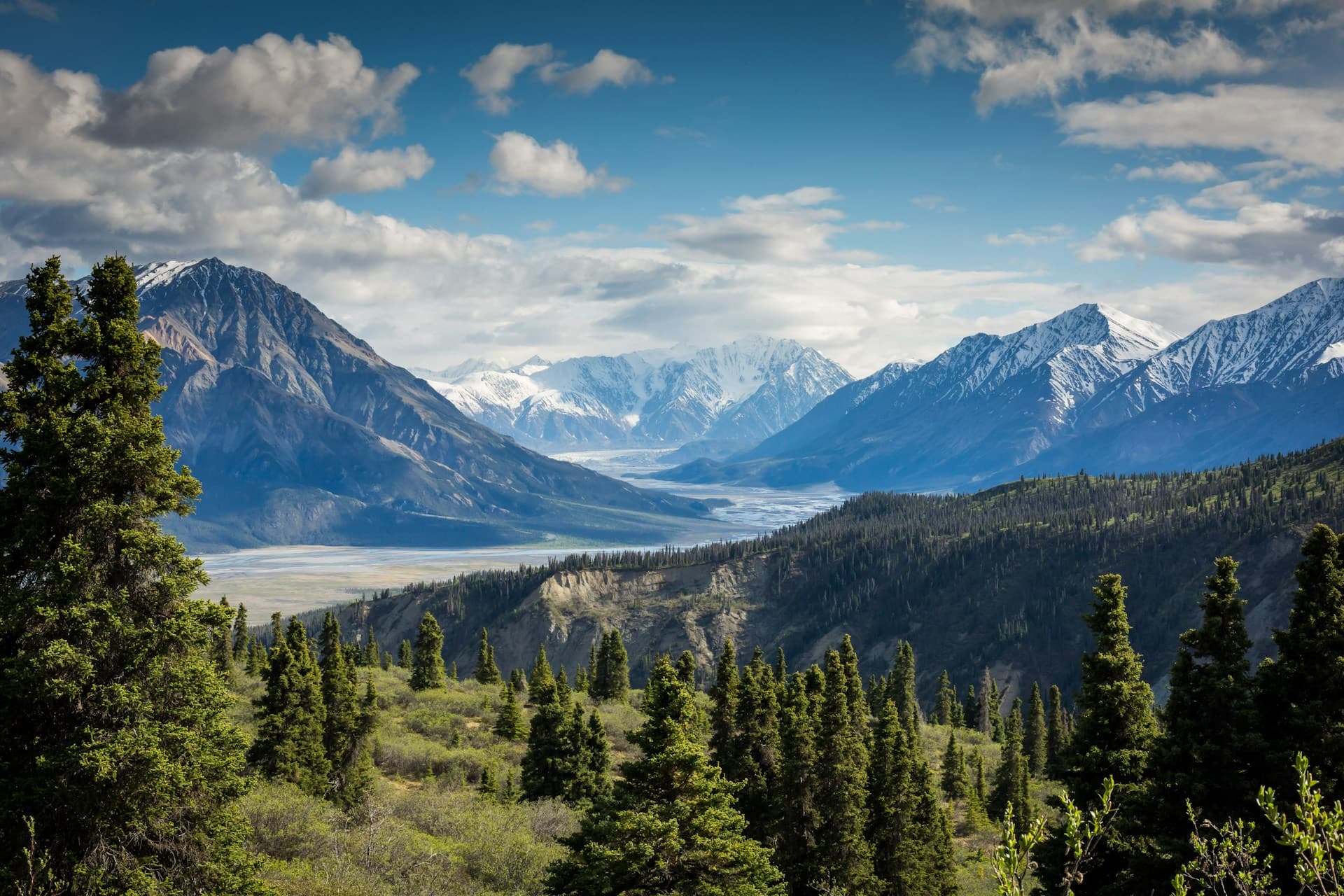
Great Smoky Mountains National Park is the most visited national park in the United States, drawing approximately 12.5 million visitors per year—more than double the visitation of the Grand Canyon. The park covers 521,000 acres straddling the NC/TN border, protecting the largest old-growth temperate deciduous forest in North America. The character differs sharply between the two sides: the NC side (Oconaluftee entrance, Cherokee) feels less commercial and more wilderness-oriented, free of the resort strip that dominates Gatlinburg on the Tennessee side.
The park has 800 plus miles of maintained trails, with 70 miles of the Appalachian Trail running through its borders. Best of all, Great Smoky Mountains charges zero entrance fees—one of only a handful of national parks in the US that doesn't collect admission. The highest point in the park is Clingmans Dome at 6,643 feet, accessible via a 7-mile spur road from Newfound Gap.
If you're planning an RV trip to this region, you'll want to base yourself near one of the park entrances. See Western NC Mountains RV Parks for options across the entire mountain region.
TL;DR
- 12.5 million visitors annually—the most visited national park in America
- 521,000 acres of protected old-growth forest
- Free admission to the entire park
- Over 800 miles of maintained hiking trails
- Clingmans Dome peaks at 6,643 feet with views extending 100 plus miles on clear days
- Synchronous fireflies light up Elkmont in June with free timed-entry permits
- Peak fall foliage runs October 5–20 at elevation
- NPS campgrounds (Smokemont, Deep Creek) cost 28–33 dollars per night with no hookups
- Private parks near Cherokee range from 42–70 dollars per night with full hookups
Access Zones Near the Smokies
Great Smoky Mountains National Park has four distinct access points, each offering a different experience and proximity to different RV facilities.
Cherokee (NC side, Oconaluftee) — This is the most accessible entrance from I-40 and offers free entry year-round. The Oconaluftee Visitor Center sits just inside the park boundary, providing orientation and trail maps. Nearby historic sites include the Mountain Farm Museum and Mingus Mill, built in 1886. This entrance draws fewer crowds than Gatlinburg and offers a more authentic mountain experience. See Cherokee RV parks for dedicated listings.
Bryson City / Deep Creek — The southern approach via Bryson City is quieter and appeals to visitors seeking solitude. Deep Creek offers excellent waterfall trails (Indian Creek Falls and Juney Whank Falls are crowd favorites), and the Great Smoky Mountains Railroad runs steam engine rides through the valley. The Nantahala Outdoor Center sits 8 miles south and serves as a hub for paddling and adventure outfitters.
Gatlinburg/Pigeon Forge (TN side) — This is the commercial heart of GSMNP access, with a developed resort strip that many RVers find overwhelming. The Sugarlands Visitor Center anchors this side, and Laurel Falls—the most visited waterfall trail in the park—is easily accessible from here. Clingmans Dome's spur road is reachable from this entrance as well.
Cataloochee Valley (remote NC) — Situated 30 miles from Waynesville with the last 12 miles unpaved, this valley offers the most solitude and the best wildlife viewing in the park. The NPS reintroduced 70 plus elk here in 2001, and 19th-century homestead cabins dot the landscape. Camping inside Cataloochee Valley has no hookup facilities, but nearby Waynesville RV parks make a good base for day trips.
Things to Do at Great Smoky Mountains
Great Smoky Mountains offers world-class hiking, wildlife viewing, and natural spectacles that justify a multi-day RV trip. Here are five signature activities:
Clingmans Dome — At 6,643 feet, this is the highest point in Tennessee and the highest point on the Appalachian Trail. You drive 7 miles from Newfound Gap on US-441 (the main park road) and park near the summit. A half-mile paved walk leads to the observation tower, though the grade is steep. The spur road closes December through March, and sunrise and sunset views can extend 100 plus miles on clear days. Arrive by 8 a.m. on summer weekends to secure parking.
Hiking — With 800 plus miles of trails, options range from easy walks to alpine traverses. The Alum Cave Trail to LeConte Lodge (4.4 miles round-trip) is a classic NC-side hike with waterfalls, views, and lodging if you want to split the trip. The Appalachian Trail enters the park from Newfound Gap at 5,046 feet; you can walk it for an afternoon or a week depending on fitness. Laurel Falls on the TN side is a paved 1.3-mile loop and the most visited trail in the park.
Synchronous Fireflies (Elkmont, TN) — In early June, thousands of fireflies flash in synchronized patterns—a phenomenon found nowhere else in North America. Viewing requires free timed-entry permits issued through recreation.gov about 2–4 weeks before the event. Camping at Elkmont Campground fills instantly when permits drop, so plan ahead.
Wildlife — Great Smoky Mountains is home to 100 plus species of native trees, black bears (population around 1,500), white-tailed deer, wild turkeys, and red wolves. The best wildlife viewing occurs at dawn and dusk along Cades Cove on the TN side and Cataloochee Valley on the NC side. Bears are most active in spring (April–May) and fall (September–October).
Autumn Color — Peak foliage timing depends on elevation. At high elevations like Clingmans Dome, peak color occurs October 5–10. Mid-elevations (3,000–4,500 feet) peak October 10–20, and valley floors (below 2,000 feet) don't reach peak until late October. Plan to enter the park by 7 a.m. on peak weekends to avoid traffic and secure parking.
Practical Tips for GSMNP RV Trips
Here are five essential tips for RV travel through Great Smoky Mountains:
Road conditions and vehicle restrictions — Newfound Gap Road (US-441) is open to personal RVs of all sizes, with a 45-mph maximum and 16 miles of driving from Cherokee to Newfound Gap (allow 30–45 minutes each way). There are no fuel, food, or repair services inside the park, so tank up and carry supplies.
NPS Campground strategy — Smokemont Campground (142 sites, NC side) is the most accessible NPS option and books on recreation.gov up to 6 months in advance. Sites cost 28–33 dollars per night with no hookups, and pets are not allowed. October through May offers the best availability window. If you arrive without a reservation, aim for weekday nights or shoulder seasons.
Wildlife safety — Black bears in the Smokies are habituated to human food and active during your peak travel months. Never approach or feed wildlife; the NPS has levied fines up to 5,000 dollars for violations. Always use bear canisters or hang food from high branches, and store all trash in bear-proof containers.
Parking and trailhead logistics — Clingmans Dome parking fills by 9 a.m. on summer weekends, and the Alum Cave trailhead fills by 8 a.m. If you arrive later, park at a lower-elevation lot and shuttle or hike to the trailhead. This also reduces parking stress at peak times and often offers a more pleasant experience.
Extended RV base options — Consider staying at a private RV park with full hookups outside the park boundary and making day trips into GSMNP. Options near Brevard offer both convenience and access to the southern Blue Ridge. See Brevard / Pisgah area for parks in that region.
Cost Math
Here's a real-world comparison for a 3-night trip. The NPS Smokemont Campground costs 30 dollars per night with no hookups, totaling 90 dollars for three nights. A comparable hotel in Gatlinburg during peak season runs 199 dollars per night; add 180 dollars for dining, and your total is 777 dollars.
If you want full hookups (water, electric, sewer), upgrade to KOA Cherokee near the Cherokee entrance. At 60 dollars per night, three nights cost 180 dollars—still 597 dollars cheaper than the hotel option and with the RV home-base advantage.
For longer stays, the savings multiply. A week at Smokemont (210 dollars) beats a week at a Gatlinburg hotel (1,573 plus meals) by over 1,300 dollars. Add the value of cooking your own meals, unlimited coffee, and no checkout hassle, and the RV trip economics are compelling.
Great Smoky Mountains NC RV Parks: At a Glance
| Park Name | Location | Full Hookups | Pull-Thru | Nightly Rate | Pets | Wi-Fi |
|---|---|---|---|---|---|---|
| Smokemont Campground | Cherokee (GSMNP) | No | No | 28–33 dollars | No | No |
| KOA Cherokee / Smoky Mountains | Cherokee | Yes | Yes | 55–70 dollars | Yes | Yes |
| Yogi in the Smokies | Cherokee | Yes | Yes | 48–62 dollars | Yes | Yes |
| Nantahala Village Resort | Bryson City | Yes | Yes | 45–60 dollars | Yes | Yes |
| Standing Indian Campground | Franklin (Nantahala NF) | No | No | 22–28 dollars | Yes | No |
| Great Smokies / Bryson City KOA Bryson City | Yes | Yes | 50–65 dollars | Yes | Yes | |
| Cataloochee Ranch | Maggie Valley (5,000 ft elevation) | No | No | 45–60 dollars | No | Limited |
| Deep Creek Campground | Bryson City (GSMNP) | No | No | 28–33 dollars | No | No |
Frequently Asked Questions
Is there an entrance fee to Great Smoky Mountains National Park? No. Great Smoky Mountains is one of only a few national parks in the United States that charges no admission. This free-entry policy makes it the most visited national park and a tremendous value for RV travelers.
Can I bring pets to Smokemont Campground? No, pets are not permitted at any NPS campground within Great Smoky Mountains, including Smokemont and Deep Creek. Private RV parks like KOA Cherokee and Yogi in the Smokies do allow pets with deposit or fee.
What size RV can I drive on Newfound Gap Road? Personal RVs of all sizes are permitted on Newfound Gap Road (US-441). The road maintains a 45-mph speed limit and has standard pull-outs for scenic stops. There are no size restrictions, but the road is narrow and winding, so larger rigs should use caution.
When does Clingmans Dome close, and can I drive a big rig to the top? The Clingmans Dome spur road closes December through March due to snow and ice. The 7-mile approach road is open to personal RVs, but parking is limited and the turnaround at the summit is tight for large rigs; smaller RVs fare better.
How do I get synchronous firefly permits for Elkmont? Free timed-entry permits are issued via recreation.gov approximately 2–4 weeks before the June event. Demand is extremely high; permits often sell out within hours. Set a calendar reminder for the permit drop date.
What should I do if I encounter a black bear? Never approach or feed wildlife. Back away slowly, make yourself appear large, and retreat to your RV or a building. Store all food, trash, and scented items in bear-proof containers. Violating these rules can result in fines up to 5,000 dollars and bear euthanasia.
When is the best season to view elk in Cataloochee Valley? Elk viewing is best from September through October, when bulls are bugling during the rut and herds move into visible meadows. Bring binoculars and arrive at dawn or dusk for the best sighting chances.
What is the best time of year to visit Great Smoky Mountains? Spring (April–May) and fall (September–October) offer mild weather, fewer crowds than summer, and high wildlife activity. Spring brings wildflowers; fall brings peak foliage and comfortable temperatures. Summer is hot and crowded; winter is quiet but Clingmans Dome road closes.
Where is Elkmont Campground, and can I stay there as an RV base for firefly viewing? Elkmont Campground is located on the Tennessee side of the park near Gatlinburg. It's a drive from Newfound Gap, and spaces are extremely limited and fill instantly when firefly permits become available. Staying at a private RV park near Cherokee and driving in for evening viewings is a more reliable strategy.
Can my RV easily access Deep Creek Campground from Bryson City? Yes, Deep Creek Campground is accessible via a short drive from Bryson City on the southern approach to GSMNP. It's a smaller and quieter alternative to Smokemont, with the same NPS amenities (no hookups, 28–33 dollars per night), though Deep Creek fills faster due to its smaller size (92 sites).
Thinking About Selling Your RV Park Near Great Smoky Mountains?
Great Smoky Mountains National Park, with 12.5 million visitors annually, represents the single most concentrated demand source for outdoor hospitality in the eastern United States. Parks positioned within 15 miles of either the Cherokee or Gatlinburg entrance command premium cap rates between 9–14 percent, depending on hookup availability and seasonal revenue diversity.
This level of visitor traffic creates a predictable, high-margin revenue stream. Markets this tight attract institutional buyers and can yield strong exit multiples for existing operators seeking liquidity.
If you own or operate an RV park near GSMNP and want to explore a sale, reach out to Jenna Reed at jenna@rv-parks.org. You can also visit /sell to learn more about the process.