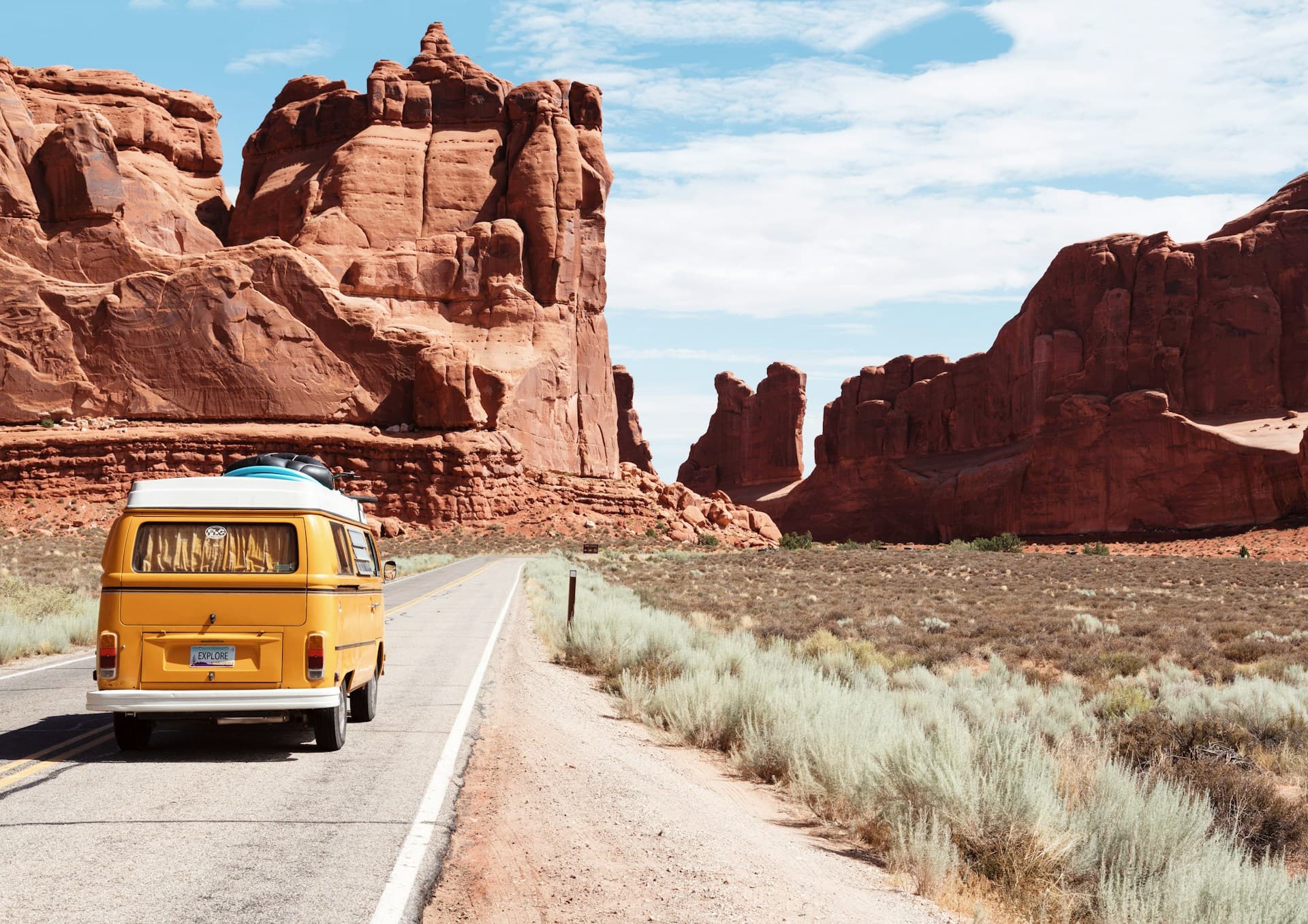
Quick Definition
Route 66 in Oklahoma stretches over 400 miles from northeast to southwest, making it the longest continuous drivable segment of the historic highway in any state. The route enters Oklahoma at Quapaw, near the Kansas border, and exits at Texola, just before the Texas line. Established in 1926, Route 66 became the most famous highway in America, connecting Chicago to Los Angeles. Though officially decommissioned in 1985, the road remains fully drivable and beautifully preserved through Oklahoma's heartland.
The Mother Road passes through major Oklahoma cities including Tulsa, Oklahoma City, and Elk City, creating a natural spine that connects the state's diverse landscapes and rich cultural heritage. Whether you're traveling by RV, car, or motorcycle, Oklahoma's stretch of Route 66 offers an authentic slice of Americana—from quirky roadside attractions to historic architecture to small-town character that's largely disappeared elsewhere.
For RV travelers planning a Route 66 journey, Oklahoma offers the longest uninterrupted driving experience of the entire route, excellent camping infrastructure, and attractions spaced perfectly for daily driving segments. Learn more about RV camping options across the state at Oklahoma RV Parks.
TL;DR
- Total Oklahoma Route 66 length: approximately 400 miles, the longest drivable stretch in any single state
- Entry and exit points: Quapaw (northeast, near Kansas) to Texola (southwest, near Texas)
- Key cities along the route: Tulsa serves as the natural midpoint with excellent RV amenities and Route 66 museums
- Must-see attraction: Blue Whale of Catoosa—a 66-foot fiberglass whale sculpture on a pond, built in 1972 and still one of the most photographed Route 66 icons in America
- Additional Catoosa stops: Cherokee Trading Post offers classic roadside shopping and a signature tepee structure
- Elk City anchor: The National Route 66 Museum (admission $5, Tue-Sat 9am-5pm) provides essential historical context for the entire corridor
- Recommended travel window: Plan 4–6 days to drive the full 400 miles with proper stops, dining, photography, and relaxation
Route 66 Oklahoma Segments: Where to Camp
The Route 66 corridor divides naturally into four segments, each offering distinct landscapes, attractions, and camping options suited to different travel styles.
Northeast Segment (Quapaw to Claremore, ~80 miles)
This opening leg of Oklahoma's Route 66 introduces travelers to the road's iconic attractions immediately. The Blue Whale of Catoosa—a 66-foot fiberglass whale rising from a small pond—stands as perhaps the most recognizable Route 66 structure east of the Texas Panhandle. Built in 1972, it's remained an irresistible photo stop for road-trippers ever since. Claremore, the birthplace of Will Rogers, adds historical depth with its downtown route markers and the Will Rogers Museum. Just off the main route lies Grand Lake O' the Cherokees, a 46,500-acre reservoir offering water recreation, fishing, and scenic overlooks. Learn more about camping options in this region at Western Oklahoma RV Parks.
Tulsa Corridor (Claremore to Sapulpa, ~30 miles)
Tulsa represents the cultural heart of Oklahoma's Route 66 experience. The Cyrus Avery Centennial Plaza honors the Tulsa businessman who conceived Route 66 in the 1920s, making Tulsa the birthplace of the entire highway concept. The Boston Avenue Methodist Church, a stunning Art Deco structure, earned National Historic Landmark designation and stands as one of Oklahoma's most impressive architectural achievements. The 11th Street Bridge, completed in 1916 and now known as the "Eleventh Street Bridge Historic District," remains Tulsa's most photographed Route 66 structure. This compact corridor deserves at least a half-day of exploration.
OKC Segment (Sapulpa to Weatherford, ~120 miles)
This middle stretch balances rural character with urban exploration. The Arcadia Round Barn, constructed in 1898 and fully restored in 2000, stands as an engineering marvel and beloved roadside stop where travelers snap photos and stretch their legs. Pops 66 Soda Ranch brings Route 66 kitsch to life with its 900+ soda varieties displayed in a vintage setting, crowned by a massive 66-foot pop bottle sign visible from the highway. Weatherford, the birthplace of astronaut Thomas Stafford, offers a full-service stop with fuel, food, and supplies before the route's final western push.
Western Segment (Weatherford to Texola, ~170 miles)
The western stretch delivers the quintessential Route 66 experience—long straightaways across the Oklahoma Panhandle, authentic small towns, and the road's final attractions before crossing into Texas. The Elk City National Route 66 Museum anchors this segment with exhibits covering the road's history, construction, and cultural impact. The Erick Sandhills Curiosity Shop offers an offbeat collection of Route 66 memorabilia and local oddities. Texola, with a population around 35, represents Route 66's gradual fade toward the Texas border—a fitting endpoint for travelers seeking to capture the road's authentic, unpolished character.
Route 66 RV Activities
Route 66 travel rewards RV campers with diverse activities perfectly suited to road-tripping rhythms—some requiring just 30 minutes, others worthy of a full day.
Museum Stops
The Elk City National Route 66 Museum (admission $5, open Tue-Sat 9am-5pm) anchors Oklahoma's historic preservation efforts. Exhibits cover the road's 1926 establishment, its role in American culture, and its connection to westward migration. The Oklahoma Route 66 Museum in Clinton (405-323-7866) offers another essential stop with Route 66 artifacts, vintage photographs, and interactive displays. Both museums require minimal time investment but deliver substantial historical context—plan 1–2 hours at each.
Historic Architecture
Photography enthusiasts gravitate toward Tulsa's 1916 11th Street Bridge for its geometric steel structure and period engineering. The Arcadia Round Barn, an 1898 marvel now fully restored, rewards campers with excellent morning or late-afternoon light for photographs. The Blue Whale of Catoosa, built in 1972, has become as iconic as any 1920s-era structure—its fiberglass form and pond setting create a surreal, Americana-steeped composition that photographs beautifully at sunrise.
Local Food
Cattlemen's Steakhouse in Oklahoma City, opened in 1910 as part of the Western Stock Show Institution, delivers authentic Oklahoma dining—high ceilings, red leather booths, and cowboy history. Pops 66 Soda Ranch transforms a humble soda shop into a Route 66 pilgrimage site, offering 900+ soda varieties alongside Route 66 memorabilia, with ample parking for RVs and a gift shop worth browsing.
Photography
Blue Whale pond reflections shine brightest at dawn, when soft light mirrors the sculpture in still water. Catoosa Trading Post's teepee offers a classic 1950s-roadside photo op. Texola's ghost-town silhouette at sunset captures Route 66's fading character perfectly. Every segment offers photo stops—take your time and return to promising locations during golden hour. For nearby recreation and additional RV parks, check out RV Parks Near Broken Bow Lake.
Day Hikes Off-Route
Lake Thunderbird, located 30 minutes south of I-40 near Oklahoma City, offers scenic shoreline trails and water access. Red Rock Canyon, 40 minutes off-route near Hinton, delivers canyon views and hiking trails through Oklahoma's hidden geology. These half-day excursions break up driving time and connect your Route 66 journey to Oklahoma's natural landscapes.
Practical RV Tips for Route 66 Oklahoma
Best Direction: West-to-East
Driving westbound-to-eastbound (Texola to Quapaw) positions the morning sun behind you as you approach Tulsa and the northeastern segment—essential for photography and visibility on the highway. Afternoon light shines favorably on historic structures when approaching from the west, rewarding photographers with backlighting and shadow definition. If starting from the east, accept early morning glare as a trade-off for afternoon advantages.
Fuel Strategy
The Route 66 corridor includes long rural stretches with 40+ mile gaps between fuel options. Plan fuel stops in Elk City, Clinton, and Tulsa, where abundant options and competitive pricing exist. Rural gas stations between these anchors may charge premium prices or have limited supplies—fill up proactively rather than reactively. Western Oklahoma segments require special attention; fuel up in Weatherford before the 170-mile final push to Texola.
50-Amp Priority for Summer Travel
The western segment around Elk City hits 100°F+ during June, July, and August. RVs with large air conditioning loads demand 50-amp service; many smaller parks along the route offer only 30-amp connections. Book ahead during summer months, prioritizing parks with 50-amp availability if your RV requires maximum cooling power.
Ideal Seasons: Spring and Fall
April through May brings spring wildflowers, mild temperatures (65–80°F), and low humidity—perfect for leisurely Route 66 driving without AC strain. September through October offers cool temperatures, fall foliage in the northeastern segment, and comfortable camping conditions. Avoid June through August unless equipped for extreme heat. Winter (December–February) brings occasional ice and cold camping conditions unsuitable for RV travel in Oklahoma. See Best RV Parks Near Oklahoma City for anchoring your journey.
Drive Time Expectations
The full 400 miles requires 10–12 hours of pure driving time. Realistic travel planning accounts for fuel stops, meal breaks, photo opportunities, and museum visits—making 4–6 days essential for a satisfying Route 66 experience. A standard approach: Day 1 (Quapaw to Claremore, 80 miles), Day 2 (Claremore to OKC area, 90 miles), Day 3 (OKC area exploration), Day 4 (OKC to Weatherford, 80 miles), Day 5 (Weatherford to Elk City, 90 miles), Day 6 (Elk City to Texola, 80 miles). This pacing allows proper exploration without burnout.
Cost Math
3-Night Route 66 RV Camping vs. Motel Stays
Route 66 RV camping delivers measurable savings over motel-based road trips:
- Western Trails RV Park (Elk City): $27/night × 3 nights = $81 total
- Comparable motel on Route 66 corridor: $85/night × 3 nights = $255 total
- Accommodation savings: $174 over three nights
RV campers further reduce costs by preparing meals in their coach. A rough estimate suggests RV meal preparation costs $15/night less than restaurant dining:
- Meal savings: $15/night × 3 nights = $45
Total estimated RV advantage for a 3-night Route 66 western Oklahoma leg: $219. This doesn't account for fuel efficiency benefits (traveling with your accommodation eliminates motel detours and backtracking), making the actual savings considerably higher for multi-day journeys.
Route 66 Oklahoma RV Camping: At a Glance
| Park Name | Location | Full Hookups | Pull-Thru | Nightly Rate | Pets | Wi-Fi |
|---|---|---|---|---|---|---|
| Western Trails RV Park | Elk City | Yes | Yes | $25-30 | Yes | Yes |
| Claremore KOA | Claremore | Yes | Yes | $40-55 | Yes | Yes |
| Twin Fountains RV Resort | Oklahoma City | Yes | Yes | $50-60 | Yes | Yes |
| Yukon RV Park | Yukon | Yes | Yes | $42-52 | Yes | Yes |
| Sapulpa RV Park | Sapulpa | Yes | Yes | $30-38 | Yes | Limited |
| Boiling Springs SP | Woodward | Yes | Yes | $18-25 | Yes | No |
| Route 66 RV Park Clinton | Clinton | Yes | Yes | $28-35 | Yes | Yes |
| Quapaw Tribal Park | Quapaw | Yes | Limited | $22-28 | Yes | No |
Frequently Asked Questions
How long is Route 66 in Oklahoma? Route 66 stretches approximately 400 miles across Oklahoma—the longest drivable stretch of the historic highway in any single state. The route extends from Quapaw in the northeast to Texola in the southwest.
What is the best RV park on Route 66 in Oklahoma? Claremore KOA ranks consistently high for amenities, with full hookups, pull-through sites, pet-friendly policies, and strong Wi-Fi. Western Trails RV Park in Elk City offers exceptional value at $25-30/night with equally solid amenities. Choice depends on whether you prioritize location (Claremore for mid-journey anchoring) or budget (Western Trails for value).
What are the must-see stops on Route 66 in Oklahoma? The Blue Whale of Catoosa (iconic 66-foot fiberglass sculpture), Tulsa's 11th Street Bridge (built 1916, most photographed Route 66 structure), Arcadia Round Barn (1898 engineering marvel), Pops 66 Soda Ranch (900+ sodas, massive bottle sign), and Elk City National Route 66 Museum round out the essential stops. Texola ghost town completes the experience with authentic Route 66 fade.
What is the Blue Whale of Catoosa? Built in 1972, the Blue Whale of Catoosa is a 66-foot fiberglass whale sculpture rising from a small pond near Catoosa, Oklahoma. It has become one of Route 66's most iconic and photographed attractions, drawing countless RVers and road-trippers to capture images of this quirky roadside landmark.
How many days does it take to drive Route 66 Oklahoma by RV? Pure driving time spans 10–12 hours for the full 400 miles. However, realistic Route 66 travel requires 4–6 days to allow for fuel stops, meals, museum visits, photography, and camping. A common approach: dedicate 4 full travel days plus 1–2 days for deeper exploration of Tulsa and Oklahoma City.
Is Route 66 in Oklahoma drivable for large RVs? Yes, Route 66 remains fully drivable for RVs up to 40 feet in most segments. Some rural sections present tighter turns and narrower shoulders—exercise caution in small towns like Texola and Erick. Research your specific route through smaller communities if piloting a class A or triple-axle fifth wheel, as certain historic downtown sections present clearance and width challenges.
What is the best direction to drive Route 66 Oklahoma? West-to-east (Texola to Quapaw) is optimal for photography and sun positioning. Morning driving faces the sunrise going east toward Tulsa, while afternoon light favors historic structure photography. West-bound drivers encounter afternoon glare as a trade-off for scenic evening light. Choose based on your photography preferences and preferred driving times.
What Route 66 Oklahoma attractions are free? The Blue Whale of Catoosa, Cherokee Trading Post, Cyrus Avery Centennial Plaza in Tulsa, downtown historic district walks in Claremore and Weatherford, and the Texola ghost town require no admission. The Arcadia Round Barn allows exterior photography for free (no interior tours). Only the Elk City National Route 66 Museum and Oklahoma Route 66 Museum in Clinton charge admission ($5 and variable).
What is Elk City Oklahoma known for Route 66? Elk City anchors the western Route 66 segment as the location of the National Route 66 Museum, showcasing the highway's construction, cultural impact, and role in American westward migration. The museum operates Tue-Sat 9am-5pm with $5 admission. Elk City also serves as the last major fuel and resupply stop before the final 80-mile push to Texola and the Texas border.
What are the best camping options near Route 66 in western Oklahoma? Western Trails RV Park in Elk City ($25-30/night) offers the best value with full hookups and pull-through sites. Boiling Springs State Park near Woodward ($18-25/night) provides budget-friendly camping with excellent facilities. Route 66 RV Park in Clinton ($28-35/night) delivers mid-route anchoring with solid amenities. All three feature pet-friendly policies and full hookup service.
Thinking About Selling Your Oklahoma RV Park?
Jenna Reed, Director of Acquisitions at rv-parks.org, is actively buying RV parks along the Route 66 corridor and across Oklahoma. Parks positioned on or near the Route 66 corridor benefit from consistent throughput traffic—travelers actively seeking campgrounds that align with their road-trip itineraries. These properties demonstrate strong occupancy rates, reliable visitor patterns, and proven operational resilience.
If you own an RV park in Oklahoma and have considered succession planning, a liquidity event, or capital redeployment, we'd welcome a conversation. Reach out directly to Jenna at jenna@rv-parks.org to discuss your property's potential and explore a partnership that recognizes the real value of what you've built.
Learn more about our acquisition process at /sell.