Quick Definition
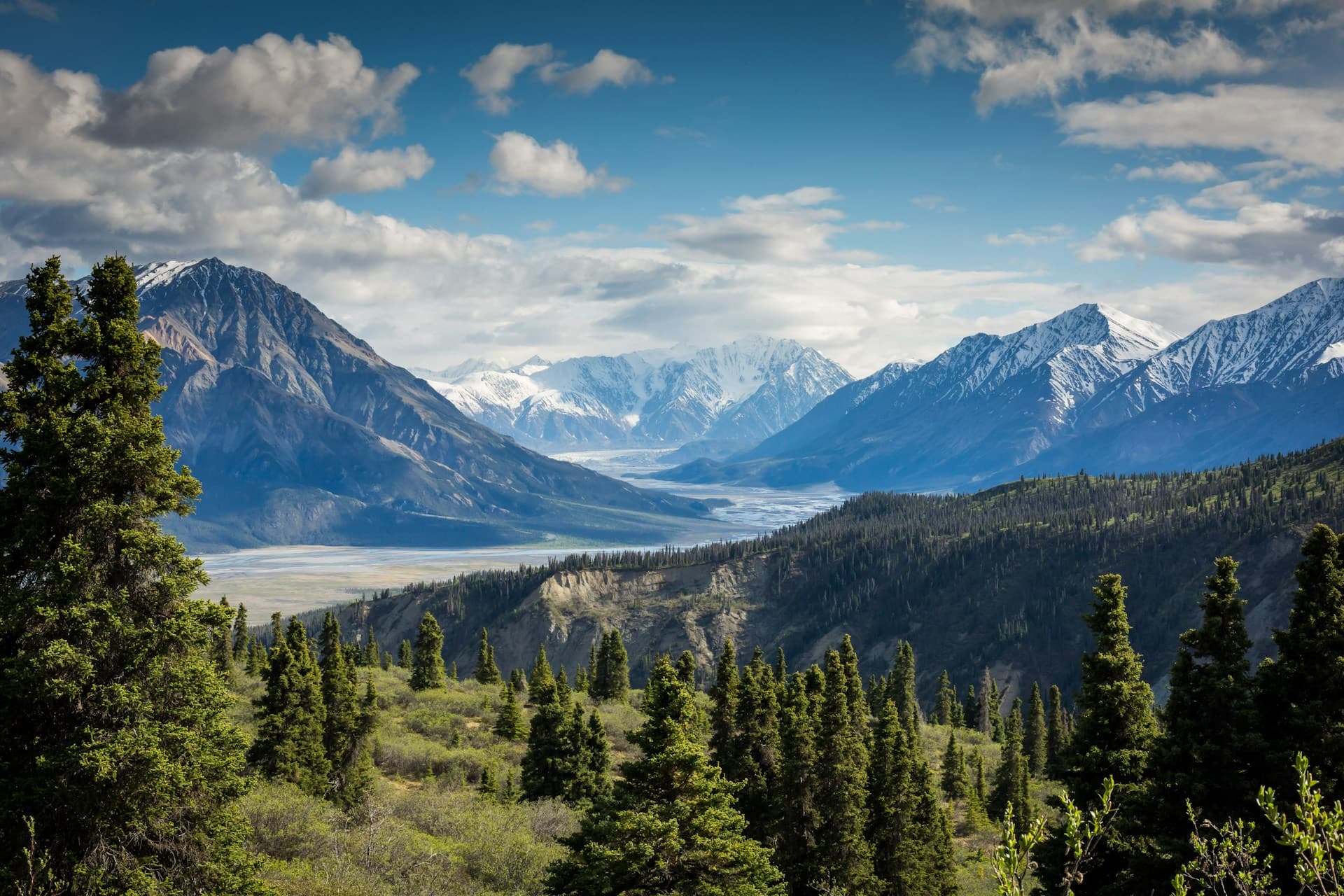
Mount Hood is Oregon's defining landmark and one of the Pacific Northwest's most accessible alpine destinations for RV travelers. The highest peak in Oregon at 11,240 feet (3,427 meters), Mount Hood sits just 50 miles east of Portland via US-26, the Mount Hood Highway.
The crown jewel is Timberline Lodge, a National Historic Landmark built in 1937 during the WPA era. The lodge sits at 6,000 feet on Hood's south face and offers year-round skiing on Palmer Glacier—the only place in North America where you can ski in July and August. Kubrick filmed the exterior of the Overlook Hotel here for The Shining (1980), making it one of cinema's most iconic mountain settings.
Mount Hood National Forest covers 1.1 million acres of old-growth firs, alpine meadows, and pristine water. The Sandy River—just 24 miles from Portland—ranks among North America's premier winter steelhead streams and offers world-class white-water kayaking in spring.
Sandy and Zigzag are your primary RV gateway towns, with full-hookup parks at reasonable rates and 30–45 minute access to the lodge. For broader regional context, see Willamette Valley RV Parks.
TL;DR
- Timberline Lodge: 1937 WPA masterpiece at 6,000 ft elevation—hand-crafted interior, year-round skiing on Palmer Glacier (Oregon's highest-elevation ski area), snowcat tours, summer wildflower meadows.
- Mount Hood Loop: 92-mile scenic drive on US-26 west and OR-35 east circling the mountain—Timberline Lodge, Mirror Lake, Ramona Falls, Hood River, Columbia River Gorge all accessible in one day.
- Sandy River: Steelhead fishing December–March, kayaking May–June, swimming July–August—24 miles from Portland with excellent public access.
- Government Camp: The mountain village at 3,980 ft elevation—ski shops, Skibowl lift, restaurants, and the only lodging directly at Mount Hood (lodge-based, not RV).
- Full hookup rates: $45–$65/night in Sandy and Rhododendron; $35–$48/night at national forest campgrounds.
- Summit climb: 11,240 ft technical mountaineering (crampon and axe required)—not a hiking trail, requires proper gear and mountaineering experience.
- Year-round access: US-26 and OR-35 are plowed year-round; Timberline Lodge accessible year-round; some forest campgrounds seasonal (May–October).
RV Camping Near Mount Hood
Mount Hood RV camping falls into four distinct zones, each serving different trip profiles and budgets.
Zone 1 — Sandy / Rhododendron (US-26 west side, 10–15 miles from Timberline)
This is the primary RV hub for Mount Hood. Sandy (population 12,000) sits at 1,000 feet elevation and hosts full-service private parks at $45–$65/night with pull-throughs, Wi-Fi, and 50-amp service. The town has groceries, fuel, and restaurants. Rhododendron, five miles east of Sandy, sits closer to the mountain (elevation 2,000 ft) with smaller, more rustic parks at $35–$52/night. Both towns sit on US-26 and are 30–45 minutes from Timberline Lodge. Sandy is safe for RVing year-round; Rhododendron can receive occasional light snow but rarely requires chains because elevation is still moderate.
Zone 2 — Government Camp (at-mountain, elevation 3,980 ft)
Government Camp is the only village directly on the mountain. However, there is no full-hookup RV campground in Government Camp itself—only dry camping (no water, sewer, electric). The village has restaurants, ski rental shops, a grocery, and the Skibowl ski area, but use Sandy or Rhododendron as your RV base and drive up for day visits. Government Camp receives heavy snow (1–3 feet overnight October–May) and requires chains or traction tires on US-26 approaching the village.
Zone 3 — Mount Hood National Forest (campgrounds)
Timothy Lake, 35 miles south of Timberline on US-26, is the largest and most developed USFS campground system near Mount Hood, with 170+ sites and full hookup availability ($30–$42/night). Reservation.gov handles booking year-round.
Ramona Falls Campground near Zigzag offers primitive camping (no hookups, $20–$25/night) and direct trailhead access to one of Oregon's most photographed waterfalls.
Lost Lake Resort sits on the north side (Hood River County) with a dramatic mountain view across the lake. Full hookups, $40–$55/night, lakeside cabin rentals also available. The resort feels quieter than Sandy-area parks and opens a different approach to the mountain (OR-35 and Highway 30).
Zone 4 — Portland Metro (50 miles west)
For Portland-based day trippers unwilling to stay at the mountain, see RV Parks in Portland for Troutdale and Columbia Gorge gateway parks, which sit 15–20 miles closer to Mount Hood than west Portland and provide easier access for morning drives to Timberline.
Things to Do at Mount Hood
Timberline Lodge
The 1937 WPA masterpiece sits at 6,000 feet on Hood's south face. Hand-carved newel posts, wrought iron railings, and indigenous Pacific Northwest art throughout the halls create one of the finest examples of American arts-and-crafts architecture you'll encounter. The lodge's central stone fireplace rises 92 feet. Every detail—from the hooked rugs to the cast-iron andirons—was hand-made by WPA artisans.
Year-round skiing on Palmer Glacier offers the highest-elevation lifts open to the public in Oregon, typically operating through August. The ski area is small (three lifts) but technical, with glacial terrain. Summer snowcat tours access higher elevations and serve skiers and sightseers. The lodge's restaurant and bar are open to day visitors; parking at Timberline is free. In July and August, wildflower meadows blanket the south slope. The Timberline Trail, a 40-mile circumnavigation of the mountain, begins at the lodge trailhead. Kubrick's film crew positioned cameras in the parking lot for the iconic Overlook Hotel exterior shots in The Shining.
Mirror Lake hike
A 4.6-mile round trip with 700 feet of elevation gain, accessible from US-26 near Government Camp. The lake sits at 4,000 feet and reflects Mount Hood's summit across crystal water—one of Oregon's most photographed alpine reflections and the most accessible high-alpine lake near Portland. The hike is intermediate (well-maintained trail, no scrambling). Early morning (7–9am) offers perfect reflection conditions before afternoon wind disturbs the water. Trailhead parking has a seasonal fee ($5).
Ramona Falls
A 4.4-mile round trip from the Sandy River crossing trailhead near Zigzag. The 120-foot basalt columnar falls fan out in a curtain formation across a 35-foot-wide cliff face. This is one of Oregon's most photogenic waterfalls and ranks among the most popular hikes on the west side. The Sandy River crossing (stepping stones) can be challenging in high water (May–June from snowmelt). Bring waterproof boots or plan to wade across.
Sandy River fishing and kayaking
The Sandy River is a top-tier coastal steelhead stream 24 miles from Portland. December through March are peak winter steelhead season—ODFW data shows consistent annual returns of 3,000–5,000 fish. Summer (July–August) shifts to swimming at popular holes below the Marmot Dam removal site. White-water kayakers use the upper Sandy (Class III–IV rapids) during high spring water (April–June from snowmelt). An ODFW non-resident combined license is required ($116/year, $41/week). Public access points include Dodge Park and several USFS trailheads.
Columbia River Gorge Loop
Drive US-26 to Timberline, then continue east on US-26 and OR-35 to Hood River (on the Columbia River). This 92-mile loop delivers views of Timberline Lodge, the east face of Mount Hood, windsurfing at Hood River, and an optional Historic Columbia River Highway return via US-30. Plan a full day with stops. OR-35 passes through pear orchard country and the Parkdale volcanic landscape. See Oregon RV Parks for other Oregon mountain destinations within reach of Portland.
Mount Hood RV Practical Tips
Traction tire / chain requirements
US-26 through Government Camp (elevation 4,000 ft) requires traction tires or chains during winter conditions (December–March, sometimes April). Oregon law requires chain compliance for vehicles with traction advisories in effect. Class A motorhomes and diesel pushers equipped with all-season tires generally comply with traction tire standards; gasoline Class A rigs without AWD often need chains in moderate snow. Check ODOT TripCheck (tripcheck.com) before any winter drive for real-time pass conditions and requirements.
Timberline parking strategy
The Timberline Lodge parking lot is free but fills by 10am on peak ski days (weekends December–March). Arrive before 8:30am or use the overflow lot on the lower access road. For summer visits (July–August), the lot is less congested but still fills by 10am on clear weekends. Arrive early or plan an afternoon visit instead.
Government Camp altitude and winter camping
At 3,980 feet, Government Camp receives 1–3 feet of snow overnight October through May. Don't camp at Government Camp unless your rig is fully winterized with tank heat, dump station access, and chains. Sandy sits at 1,000 feet and is safe for year-round RVing with no snow management required.
Willamette Valley alternatives
For lower elevation and lower rates, see RV Parks in Salem, 70 miles southwest of Mount Hood. These parks serve as a secondary base for Mount Hood day trips while offering cheaper nightly rates ($30–$40) and milder winter conditions.
Sandy River day-use parking at Dodge Park
The best public swimming hole is Dodge Park, 26 miles from Portland off I-84 in Wood Village. The park has a small RV-accessible day-use area ($5 parking) with river access. Ideal for a summer river day without driving all the way to the mountain or committing to an overnight stay.
Cost Math
3-night Mount Hood trip, July
- Sandy/Rhododendron full hookup park: $52/night × 3 nights = $156
- Government Camp lodge room (peak July): $289/night × 3 nights = $867
- RV savings: $711 (82% less)
Per-day Timberline visit
- Timberline Lodge day visit (parking free) + lunch: $18 per person per day
- Timberline Lodge stay: $289/night
- Per-day savings: $271 per person
An RV base in Sandy/Rhododendron eliminates the premium-tier lodge pricing while maintaining close (30–45 minute) access to the mountain. You trade convenience for significant savings and the flexibility to explore the broader region (Sandy River, Ramona Falls, Hood River) without relocating your rig daily.
Mount Hood Oregon RV Parks: At a Glance
| Park Name | Location | Full Hookups | Pull-Thru | Nightly Rate | Pets | Wi-Fi |
|---|---|---|---|---|---|---|
| Mount Hood Village RV Resort | Welches (US-26) | Yes | Yes | $50–$68 | Yes | Yes |
| Tollgate RV Park | Rhododendron | Yes | Yes | $45–$62 | Yes | Partial |
| Sandy Riverfront RV Park | Sandy | Yes | Yes | $48–$65 | Yes | Yes |
| Timothy Lake USFS | 35 mi S (south side) | Yes | Yes | $30–$42 | Yes | No |
| Lost Lake Resort | Hood River area (N) | Yes | Yes | $40–$55 | Yes | Partial |
| Camp Creek Campground | Rhododendron (USFS) | No | No | $22–$28 | Yes | No |
| Ramona Falls Campground | Zigzag (USFS) | No | No | $20–$25 | Yes | No |
| Boulder Creek RV Park | Sandy | Yes | Yes | $45–$60 | Yes | Yes |
Frequently Asked Questions
What year was Timberline Lodge built, and why is it historically important? Timberline Lodge opened in 1937 as a WPA (Works Progress Administration) project during the Great Depression. The lodge is a National Historic Landmark, representing a masterpiece of American arts-and-crafts architecture. Every interior detail—from hand-carved furniture to wrought iron—was created by WPA artisans. It remains one of the finest examples of Depression-era public works construction.
When does year-round skiing end at Timberline, and what is Palmer Glacier? Palmer Glacier sits at the top of the three-lift ski area and is accessible year-round most years. Summer skiing (July–August) occurs on the glacier's upper slopes, though conditions decline as the season progresses. By late August, warm temperatures and bare ice often shut down summer operations. Palmer Glacier is Oregon's highest-elevation ski terrain and the only place in North America where summer skiing is reliably available.
Is Mirror Lake an easy hike, and what's the best time to visit? Mirror Lake is 4.6 miles round trip with 700 feet of elevation gain—intermediate difficulty, well-maintained trail, no scrambling. The hike takes 2–3 hours. Early morning (7–9am) is best for photography because the lake surface is calm and reflects Mount Hood's summit perfectly. Afternoon wind disturbs the water by 10–11am. The lake is typically snow-free June–September.
Do I need chains on US-26 to Timberline in winter? Oregon law requires traction tires or chains on US-26 through Government Camp when traction advisories are in effect (December–March, sometimes April). Class A motorhomes with all-season tires generally meet traction tire standards. Smaller rigs or those without sufficient tread may need chains. Always check ODOT TripCheck (tripcheck.com) before driving in winter—conditions change daily.
What is peak steelhead season on the Sandy River, and do I need a license? Peak winter steelhead season is December through March. ODFW non-resident licenses are required: $116 for a combined annual license or $41 for a one-week pass. The Sandy River is a top-tier coastal steelhead stream with consistent annual returns of 3,000–5,000 fish. Public access is available at Dodge Park and USFS trailheads.
Why is Timberline Lodge famous beyond skiing? Stanley Kubrick filmed the exterior of the Overlook Hotel here for The Shining (1980). The lodge's location, WPA-era architecture, and isolation made it the perfect visual match for King's novel. The interior scenes were filmed in studio, but the iconic aerial shots and exterior approaches use the actual lodge and surrounding slopes.
Can I hike to the Mount Hood summit as a day hike? The Mount Hood summit (11,240 feet) is technical mountaineering requiring crampons, an ice axe, and serious alpine experience—not a hiking trail. The typical south-side summit route involves 8–10 hours of climbing on snow and ice with crevasse hazards. Guided climbs operate May–June during optimal snow conditions; summer (July–August) offers bare ice, which is slower and more dangerous. This is not a beginner undertaking.
Why is there no RV camping directly in Government Camp? Government Camp sits at 3,980 feet and receives heavy snow (1–3 feet) October–May. Full-hookup RVs require infrastructure (water lines, sewer, power) that would freeze in such conditions. The village offers dry camping (no hookups) for those with self-contained rigs. Sandy and Rhododendron, at lower elevations (1,000–2,000 feet), have reliable water and sewer service year-round.
When does fall foliage peak near Mount Hood? Fall color near Mount Hood typically peaks in late September and early October. Lower elevations (Sandy area, 1,000 ft) turn first in mid-September. Higher elevations (Timberline, 6,000 ft) experience color 2–3 weeks later. The best mix of lower-elevation aspen and maple with high-elevation alpine larch occurs late September to early October. October can bring early snow, especially above 4,000 feet.
Should I stay overnight at Mount Hood or do a Portland day trip? An overnight stay ($45–$65 at Sandy/Rhododendron parks) allows a morning hike (Mirror Lake, 2.5 hours) plus an afternoon at Timberline without rushing. A Portland day trip requires a 2.5-hour drive each way (5 hours total), leaving 4–5 hours on-mountain—enough for one hike or Timberline visit, but no time for the Columbia Gorge Loop or Sandy River. Overnight RV camping makes two-day explorations practical and economical.
Thinking About Selling Your Mount Hood Area RV Park?
Mount Hood area parks serve the largest metro drive-market in Oregon (Portland, 50 miles west) with genuine four-season demand. Skiing and snowshoeing December–March, spring river fishing April–May, hiking and swimming June–August, fall color September–October—the park faces multiple income streams across the calendar.
Year-round occupancy makes these parks unusually stable compared to purely seasonal destinations in other regions. Winterization costs are real, but so is winter demand.
If you're exploring a sale, reach out. I'm Jenna Reed, Director of Acquisitions at rv-parks.org. jenna@rv-parks.org or visit /sell. Let's talk about what your park is worth and what's next for you.