Quick Definition
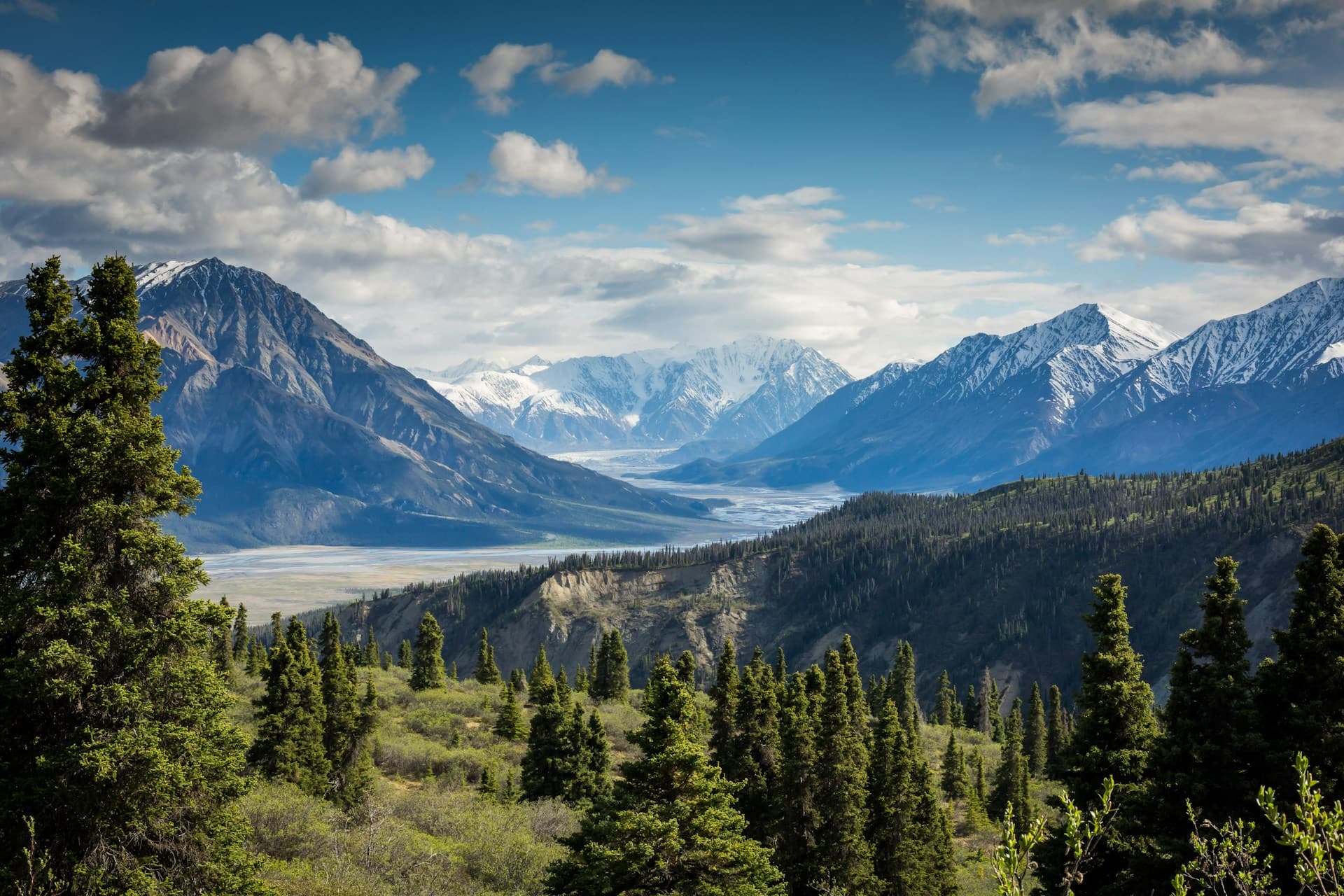
Davis Mountains State Park is a 2,709-acre preserve nestled in the sky island range of the Trans-Pecos region, sitting at elevations between 4,900 and 6,400 feet. It's one of Texas's rarest ecosures: a genuinely cool summer destination. While the Texas plains swelter in 100°F+ heat, Davis Mountains averages just 82°F in July—a full 18 degrees cooler than lowland alternatives like Midland or Big Spring. The park anchors itself around Skyline Drive, a stunning 4-mile scenic loop that climbs the ridgeline with 360-degree views of the Trans-Pecos desert. At its heart sits Indian Lodge, a historic 1935 Civilian Conservation Corps–built stone hotel with 12 guest rooms, a restaurant, and a swimming pool—a living time capsule of Depression-era park building. Six miles north, McDonald Observatory beckons stargazers to some of North America's darkest skies, making the region a magnet for astrotourism. The park's oak-savanna habitat corridor is also a global hotspot for Montezuma quail, a secretive bird species found nowhere else in the United States outside this region. Together, these elements make Davis Mountains State Park the understated jewel of West Texas camping.
TL;DR
- Coolest summer camping in Texas — July temps 18°F below statewide average
- Sky island ecosystem — Oak savanna and piñon-juniper forest at high elevation, endemic wildlife
- Indian Lodge CCC hotel — Historic 1935 property with full service; book 4–6 months ahead
- McDonald Observatory connection — Astronomy star parties, dark sky viewing, 6 miles north of park
- Birding paradise — Montezuma quail, hummingbirds, monsoon migrants; July–August peak season
Access Zones
Davis Mountains State Park sits in the geographic heart of the Trans-Pecos, but isolation is relative in rural Texas. Four service corridors surround the park, each with its own character and RV amenities.
Fort Davis (4 miles west, elevation 4,825 ft) is the primary gateway. Reached via Highway 118 north from Alpine or Highway 17 from Marfa, Fort Davis is a historic frontier town that's become a quiet hub for park tourism. The town offers full-service RV parks with water, electric, and sewer hookups—essential for summer comfort when evening temps dip to the 50s. Groceries, fuel, and casual dining options cluster around the town center. Fort Davis National Historic Site, a Buffalo Soldiers fort, sits just outside town and anchors the historical narrative of the region.
Alpine (24 miles south via Highway 118, elevation 4,475 ft) is the regional business hub, home to Sul Ross State University. It's larger than Fort Davis with chain motels, full-service restaurants, and big-box supply stores. Alpine is best as a resupply stop or alternative lodging if Fort Davis fills up, though it sits 500 feet lower and doesn't offer the same cool-summer advantage. The drive between Alpine and Fort Davis is spectacular—climbing through limestone canyons and live oak forests.
Marfa (45 miles northwest via Highway 17, elevation 4,688 ft) has become known for its contemporary art scene and eccentric culture. It's not a traditional RV park town, but it's worth a day trip for restaurants, galleries, and the mysterious Marfa Lights phenomenon. Limited RV facilities; plan to base yourself in Fort Davis or Alpine.
Balmorhea (40 miles northeast via Highway 17/290, elevation 3,379 ft) is home to Balmorhea State Park and a famous spring-fed swimming pool—a surreal oasis in the desert. It's cooler and wetter than the surrounding desert but still 500 feet lower than Davis Mountains. Useful for a day trip if you want a dramatic contrast landscape, but you'll lose the altitude advantage for summer comfort.
Access the park via Best RV Parks in West Texas and RV Parks in Fort Davis, TX for lodging options in each zone.
Things to Do
Skyline Drive and Skyline Trail anchor the park experience. The 4-mile scenic drive loops along the ridgeline, gaining 600 feet of elevation with each switchback. Pullouts offer panoramic views of the desert floor, distant mountains, and—on clear days—the edge of the Davis Mountains' sky island ecosystem. The companion hiking trail (4.5 miles) follows the same ridge on foot and is best done at sunrise when light is soft and the valley below emerges from shadow. Bring water; the exposed ridgeline offers zero shade.
Indian Lodge is a pilgrimage destination in itself. Built by the CCC between 1933–1935, the stone structure sits at 5,432 feet and features 12 guest rooms, many with original fireplaces and period furnishings. The lodge restaurant serves breakfast, lunch, and dinner, and the heated swimming pool provides relief on warm afternoons. The catch: Indian Lodge books 4–6 months in advance during summer. The lodge is a hotel, not an RV park, but it's worth staying here at least once to experience the Depression-era hospitality. Book through the Texas Parks and Wildlife Department website.
Montezuma quail spotting is a bucket-list item for birders. This plump, secretive quail is endemic to the southern U.S. and Mexico, and the Davis Mountains oak savanna is one of the few places in the U.S. where you can see them. They're most active at dawn and dusk, and best spotted in areas with scattered oak cover and grassy clearings. Hire a local birding guide or join a group tour if you're serious about seeing one—they're elusive, but the reward is immense.
McDonald Observatory Star Party sits 6 miles north via Highway 118 and offers public observing sessions on Tuesday, Friday, and Saturday nights. You'll look through 16-inch and 36-inch telescopes, hear talks from professional astronomers, and see Jupiter, Saturn, deep-sky objects, and nebulae in some of the darkest skies in Texas. Sessions sell out months ahead during summer. Book early.
Fort Davis National Historic Site is a 38-acre preserve centered on a restored 1880s cavalry fort. The self-guided walking tour winds through barracks, officer quarters, and the hospital—all furnished as they were during the Buffalo Soldiers era. Admission is free if you carry a federal lands pass; otherwise $10 per vehicle. Plan 1.5 hours for a thorough visit.
Plan your activities via RV Parks Near McDonald Observatory for lodging with dark-sky access.
Practical Tips
Indian Lodge reservations open 6 months in advance and fill quickly for summer weekends. Visit tpwd.texas.gov/state-parks/indian-lodge to book rooms as soon as your target dates open. Call (432) 426-3254 if online booking is full; staff sometimes hold cancellation lines.
In-park RV sites at Davis Mountains State Park include water and electric hookups but are limited—only about 30 sites across the park. Summer demand is intense; check availability before planning your entire trip. Full hookup (water, electric, sewer) private RV parks in Fort Davis are your best backup and often your first choice for a full comfort setup.
Summer evenings get cold. Even in July, nighttime temperatures dip to the low 50s°F. Pack layers, a fleece, and a light jacket. The altitude and clear skies mean rapid heat loss after sunset. RVs and cabins without supplemental heating can be uncomfortable.
Birding peaks in July and August when the North American monsoon pushes moisture up from the Gulf of Mexico. Hummingbirds proliferate, and rare Mexican species drift north across the border. If you're a serious birder, prioritize these months. Bring a camera with a telephoto lens and a field guide to Southwestern birds.
Full hookup RV parks in Fort Davis are your power solution. If your rig needs sustained AC or electric heating, base yourself here rather than in the state park's limited hookup sites. The 4-mile drive to the park is quick and scenic.
Highway 118 between Alpine and Fort Davis is one of Texas's most beautiful drives. Take it at sunset when light is warm and mountains glow. Allow 45 minutes for the 24-mile trip if you're stopping at pullouts. The road climbs steadily from 4,475 feet (Alpine) to 5,000+ feet (Davis Mountains), passing through a transition zone from Chihuahuan Desert scrub to oak savanna.
For more RV infrastructure details, see RV Parks in Alpine, TX.
Cost Math
Here's a realistic 3-night summer trip for two adults, based in Fort Davis:
| Line Item | Cost |
|---|---|
| Fort Davis full-hookup RV park, 3 nights @ $40/night | $120 |
| Davis Mountains State Park day-use fee, 3 days @ $6/person | $36 |
| McDonald Observatory Star Party, 2 people @ $25/person | $50 |
| Fort Davis National Historic Site (federal pass or day fee) | $10 |
| Groceries & meals from Fort Davis market | $80 |
| Fuel from Midland (100 miles round trip, ~24 MPG) | $24 |
| Miscellaneous (ice, firewood, tips) | $40 |
| Total | $360 |
Compare that to a Midland-based trip with hotel stays: 3 nights at a mid-range hotel ($120/night) = $360 just for lodging, plus restaurant meals ($15–25 per person per meal), plus long drives from Midland (100+ miles each way). Your Midland alternative easily runs $520–650 for the same 3 days. The RV park base saves money and offers better comfort.
Comparison Table
| Park Name | Location | Distance to State Park | Hookups | Rate/Night | Best For |
|---|---|---|---|---|---|
| Davis Mountains State Park (in-park sites) Park interior, Hwy 118 | On-site | Water/Electric | $25–30 | Park immersion, short stays | |
| Stone Village Tourist Camp | Fort Davis, downtown | 4 miles | Water/Electric/Sewer | $35–45 | Historic ambiance, walkable town |
| Fort Davis RV Park Fort Davis, Hwy 17 bypass | 5 miles | Water/Electric/Sewer | $38–48 | Full hookups, larger rigs | |
| Prude Ranch | Alpine foothills, south of town | 30 miles | Water/Electric | $28–35 | Working ranch experience, lower elevation |
| Limpia Crossing RV Park | Fort Davis, Hwy 118 south | 3 miles | Water/Electric/Sewer | $40–50 | Close to park, quiet location |
| Indian Lodge (hotel, no RV) | Park interior, Skyline Drive | On-site | N/A | $120–160/room | Historic lodging, no hookups |
| Alpine RV Park | Alpine, east side of town | 24 miles | Water/Electric/Sewer | $32–42 | Budget option, larger town services |
| Marfa RV Park | Marfa, north of downtown | 45 miles | Water/Electric | $30–40 | Art scene access, premium landscape |
FAQ
Q: How far in advance do I need to book Indian Lodge? A: Aim for 4–6 months in advance, especially for summer weekends. Rooms often sell out March through August. Call the park office at (432) 426-3254 as soon as your target dates become available online at tpwd.texas.gov/state-parks/indian-lodge.
Q: How much cooler is Davis Mountains compared to lowland Texas summers? A: About 18°F cooler than cities like Midland or Big Spring. July average high is 82°F at Davis Mountains versus 100°F+ on the plains. Nighttime lows in the 50s are standard, requiring layers even in summer.
Q: What's the best way to spot Montezuma quail? A: Visit oak-savanna areas at dawn or dusk, especially July–August during monsoon season. They're well-camouflaged and move quickly. Hire a local birding guide or join a group tour through the park visitor center—success rates are much higher with expert eyes.
Q: How is McDonald Observatory connected to the park? A: It's 6 miles north of Davis Mountains State Park via Highway 118. The park's high elevation and dark skies make it an ideal base for the observatory's public star parties (Tue/Fri/Sat). Book observing sessions in advance; they sell out during peak months.
Q: When is the best season for birding at Davis Mountains? A: July through August, when the North American monsoon brings moisture and tropical migrants from Mexico. Hummingbirds peak, and rare species like Lucifer hummingbirds and painted buntings show up. Spring (March–April) is good for resident species and nest-building activity.
Q: Can I take a big rig into Davis Mountains State Park? A: Most RV sites accommodate 30–35 foot rigs comfortably. In-park roads are paved but narrow in places. Call the park office at (432) 426-3254 to confirm your rig size. Larger rigs (40+ feet) are better served by private RV parks in Fort Davis with wider turn-arounds.
Q: Are there vehicle restrictions on Skyline Drive? A: Skyline Drive is open to standard passenger vehicles and RVs under 40 feet. The road is well-maintained and climbs steadily; expect slow speeds on switchbacks. Not recommended for vehicles with poor braking or overheating issues on mountain grades.
Q: Is Balmorhea worth a day trip from Davis Mountains? A: Yes, if you want contrast. Balmorhea State Park features a massive spring-fed pool (72°F year-round) surrounded by desert. It's 40 miles away and sits 500 feet lower, so you lose the cool-climate advantage. Plan a half-day visit and return to the mountains for cooler evening camping.
Q: What's the fall color situation at Davis Mountains? A: Peak color in October and early November. Autumn aspens and oaks turn gold and red at higher elevations. Temperatures are mild (60–70°F days, 40–50°F nights), making it an excellent alternative to summer if you can travel off-season. Wildflowers also bloom after summer monsoons.
Q: Do in-park RV sites have adequate water and power for summer AC? A: In-park sites have water/electric hookups, but electric is typically 30-amp, sufficient for AC and basic use on mild days. For sustained AC on hot days or multi-day stays with full comfort needs, book a full-hookup private RV park in Fort Davis with 50-amp service. They're only 4–5 miles away and offer better infrastructure.
Selling Your RV Park Near Davis Mountains?
If you own or operate an RV park in the Davis Mountains, Alpine, Fort Davis, or surrounding West Texas region, you're sitting on increasingly valuable real estate. The summer-cool climate, McDonald Observatory tourism, emerging birding scene, and astrotourism demand create a premium market segment that most RV operators overlook.
Why now?
- Summer escape demand is rising as climate change pushes lowland temperatures higher
- Dark-sky tourism and astrotourism are growing 15%+ annually
- Birding and eco-tourism attract affluent, stable guests
- Small-market RV parks are scarce—competition is minimal compared to urban areas
If you're exploring a sale, acquisition, or partnership, reach out to Jenna Reed at jenna@rv-parks.org. We specialize in undervalued West Texas parks and understand the unique economics of high-elevation, specialty-tourism properties.
For our complete RV park directory, see Texas RV Parks: The Complete Directory.