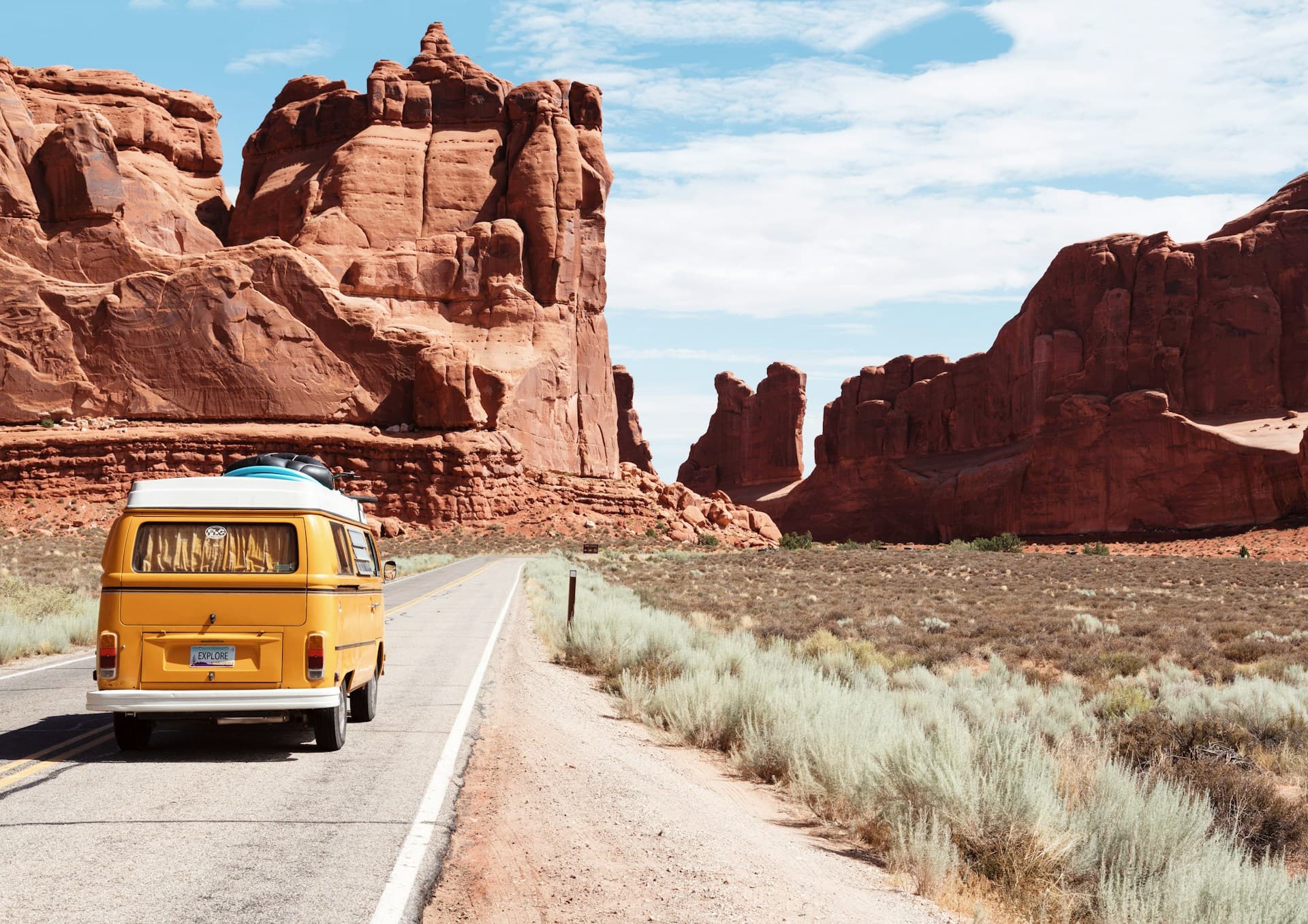
What Are the Flint Hills?
The Flint Hills are a 200-mile north-south band of tallgrass prairie stretching across central Kansas—the last intact large-scale tallgrass prairie ecosystem in North America. Once, tallgrass prairie covered 170 million acres from Texas to Minnesota. Today, 95% of that is gone, converted to cropland, development, and urban sprawl. The Flint Hills remain, an ecological miracle and a landscape that looks almost exactly as it did four centuries ago: rolling hills covered in native grasses, wildflowers, bison, and sky that seems to stretch forever.
For RV travelers, the Flint Hills offer something rare: genuine wilderness without pretense. No theme parks, no chain restaurants, no crowds. Just prairie, history, and a pace of life that hasn't changed much since the 1800s.
The main attractions include Tallgrass Prairie National Preserve (near Strong City, 10,895 acres of protected prairie), Konza Prairie Biological Station (near Manhattan, 8,616 acres open to visitors), the Flint Hills Discovery Center (a first-rate museum in Manhattan), and the Flint Hills Scenic Byway (K-177, a stunning 47-mile drive through the heart of the region). You can explore this on foot, by car, or by RV—and we'll show you how to do it right.
Check out Kansas RV Parks to find your basecamp.
TL;DR: The Essentials
- Flint Hills span 200 miles north-south across central Kansas, connecting Emporia and Manhattan
- Tallgrass Prairie National Preserve is 10,895 acres and offers free NPS entry, bison herd viewing, and ranger-led programs
- Konza Prairie covers 8,616 acres with a free 2.6-mile nature trail and scenic overlooks
- K-177 Scenic Byway is 47 miles of pure prairie driving—two lanes, completely RV-friendly up to 45 feet
- Controlled burns happen April through May; roads may close, but the ecological event is worth planning around
- Best seasons: April–June (wildflowers and controlled burns) and September–October (fall prairie colors)
- Base cities: Manhattan (north) and Emporia (south) both have full-service RV parks and amenities
Your 7-Day Flint Hills Road Trip Itinerary
Days 1–2: Manhattan Base & Konza Prairie
Start in Manhattan, a college town (home of Kansas State University) with excellent RV facilities and a genuine downtown. Park your rig at one of several full-hookup parks and spend two days exploring the northern Flint Hills.
Day 1 morning: Visit the Flint Hills Discovery Center in downtown Manhattan. This museum is excellent—interactive exhibits on prairie ecology, Native American history, ranching culture, and the science of controlled burns. Plan for 90 minutes. Admission is $7/adult. Grab lunch downtown afterward.
Day 1 afternoon: Drive to Konza Prairie, a working research station run by Kansas State University just south of Manhattan. The public is welcome to hike the Konza Nature Trail, a free 2.6-mile loop that winds through native prairie. Best time: late afternoon when light hits the hills beautifully. Bring water—there's no shade and no facilities.
Day 2: Spend the morning on a longer Konza hike (the property has 16 miles of trails; pick one rated easy to moderate). Afternoon is flexible—explore downtown Manhattan, visit a local coffee roaster, or rest up before heading south.
See Flint Hills RV Parks for lodging options in the region.
Days 3–4: Tallgrass Prairie National Preserve & Strong City
This is the heart of the trip. Drive south from Manhattan toward Strong City (about 45 minutes).
Tallgrass Prairie National Preserve is the crown jewel. The 10,895-acre park is free to enter, free to hike, and staffed with knowledgeable rangers. The main attractions:
- Bison herd viewing: The preserve maintains a free-roaming bison herd (60–100 animals). Self-guided driving tours are the main way to find them—check in at the visitor center for recent sightings. Seeing 40-ton bison in their native landscape is unforgettable.
- Prairie hiking: Multiple trails range from 0.5 miles to 4 miles. The Fox Spring Trail (1.6 miles) is popular and well-maintained. Hiking in tallgrass is meditative—you're surrounded by prairie and sky.
- Ranger programs: Seasonal walks and talks are often available. Call ahead (620-273-8494) for schedules.
Day 3: Arrive at Tallgrass Prairie in the morning, do the visitor center orientation, then drive the bison viewing route. Hike Fox Spring Trail in the afternoon. Many RV travelers park near Strong City (about 20 minutes west) rather than attempting the preserve's gravel access road with larger rigs.
Day 4: Another day at the preserve. Hike a different trail, perhaps the longer Bluestem Trail (4.2 miles), or simply revisit the bison viewing area. Controlled burns (April–May) transform the landscape and attract photographers—if you're traveling in spring, ask about burn schedules.
Check Emporia RV Parks for nearby facilities.
Days 5–6: Cottonwood Falls & Chase County Scenic Loop
Head west to Cottonwood Falls, the county seat of Chase County. This is where the Flint Hills open up in their widest form, and the sense of space is immense.
Must-see: The Chase County Courthouse (1873, Romanesque Revival) is the architectural heart of the town—a stunning building that seems far too grand for a town of 900. Free to walk around and photograph. The Roniger Museum (adjacent, small but worthwhile) displays local ranching history and pioneer artifacts.
Day 5: Explore Cottonwood Falls and the courthouse. Drive the scenic loop east from town—unmarked roads wind through prime ranching country with almost no traffic. Stop often to photograph. Pick a spot for a picnic dinner overlooking the prairie.
Day 6: Optional hiking or wildlife viewing. If controlled burns are happening (April–May), call the preserve for access information. Otherwise, spend the morning on a scenic drive and the afternoon heading toward your next destination.
Day 7: Emporia & The Flint Hills Trail System
End your trip in Emporia, a larger town (population ~24,000) on the southern edge of the Flint Hills. The Flint Hills Trail State Park is a 31-mile paved path following a former railroad—perfect for an easy bike ride or walk. Rent bikes from a local outfitter or bring your own.
Explore Emporia's downtown and rest up before heading home.
Must-Do Activities (And Why)
1. Tallgrass Prairie Bison Herd Viewing (Free) Seeing a bison herd in their native prairie is a once-in-a-lifetime moment. Self-guided driving tours from the visitor center; bring binoculars and patience. Early morning (7–9 AM) offers the best light and behavior.
2. Konza Prairie Nature Trail (Free) A 2.6-mile loop through pristine prairie. The trail is well-marked and easy, perfect for families. Wildflower season (May–June) transforms the landscape into a riot of color.
3. Flint Hills Discovery Center Interactive Exhibits ($7/adult, Manhattan) This museum doesn't feel touristy. The exhibits on prairie ecology, controlled burns, and ranching history are genuinely informative. The fire-ecology demonstration alone is worth the admission.
4. Chase County Courthouse (Free) A masterpiece of 1870s architecture in the middle of the prairie. The building tells the story of the region's ranching wealth. Photography is encouraged.
5. Controlled Burn Viewing (April–May, Call Ahead) If you're traveling in spring, ask at Tallgrass Prairie National Preserve about scheduled controlled burns. These ecological management fires are dramatic, smoky, and crucial to prairie health. You'll see thousands of acres transform in a single day. Road closures may apply—check ks.gov/flint-hills before traveling.
Add one more internal link here: Manhattan RV Parks for your north-end basecamp.
Practical Tips for RV Travelers
Road Conditions & K-177 Scenic Byway
The Flint Hills Scenic Byway (K-177) is a 47-mile, two-lane highway that winds through the heart of the region. It's completely RV-accessible for rigs up to 45 feet. The road is well-maintained, scenic, and rarely crowded. However, it's truly remote—no fuel stations, no cell service for stretches, and few pullouts. Fill your tank before heading south from Manhattan.
Fuel & Services
Strong City is your last fuel stop before heading toward Cottonwood Falls. The gap between Strong City and Cottonwood Falls is 20+ miles with no services. Gas prices in small towns are higher than metro areas—budget accordingly.
Cell Service
Expect spotty coverage south of Emporia and in the heart of the preserve. Download offline maps and let someone know your route.
Controlled Burns & Road Closures
Prescribed burns happen April through May. They're good for the prairie—they prevent woody encroachment and recycle nutrients—but they can close road segments and create heavy smoke. Check ks.gov for closure information before you travel. If you're planning to see a burn, call ahead (620-273-8494) for exact dates and locations.
Weather & Seasons
Spring (April–June) brings wildflowers and burns but also occasional severe weather—hail, lightning, tornadoes (rare but possible). Summer is hot and dry. Fall (September–October) is ideal: cool, clear, and the prairie turns golden and red. Winter can be cold and icy on rural roads.
RV Parking & Hookups
There are no RV hookups at the national preserve or Konza Prairie. Plan to base yourself in Manhattan or nearby towns with full-service parks. Most towns in the region have at least one 30/50-amp facility, though they're small and book up during peak season (May–June, September–October).
For additional resources, see Tallgrass Prairie RV Parks.
Cost Math: 7-Day RV Road Trip
Budget comparison for a family of four:
RV Camping ($25–35/night)
- 7 nights × $30 average = $210
- Total lodging: $210
Hotels ($89–119/night)
- 7 nights × $105 average = $735
- Total lodging: $735
Meals (RV cooking vs. restaurant)
- RV groceries: ~$200 for the week
- Restaurant meals: ~$800 for the week
- Savings: $600
Activities & Attractions
- Most are free (Tallgrass Prairie NP, Konza hiking, scenic drives)
- Flint Hills Discovery Center: $28 (4 people)
- Total attractions: ~$28
Fuel (RV traveling ~6 miles per gallon)
- 500 miles × 1/6 gallon per mile = ~83 gallons
- At $3.20/gallon = $265
Total 7-Day RV Road Trip: ~$713
Total 7-Day Hotel + Restaurant Trip: ~$1,535
Savings with RV: ~$822 (54% less expensive)
Plus, you're sleeping where you want, eating on your schedule, and waking up to prairie views.
At a Glance: RV Parks Near Flint Hills
| Park Name | Location | Miles to K-177 | Full Hookups | Pull-Thru | Nightly Rate | Pets |
|---|---|---|---|---|---|---|
| Manhattan RV Park | Manhattan | 8 | Yes | Yes | $32–38 | Yes |
| Konza RV Village | Near Manhattan | 12 | Yes | Yes | $28–35 | Yes |
| Strong City RV Park | Strong City | 2 | Partial | No | $20–25 | Yes |
| Tallgrass Prairie Campground | Near Strong City | 5 | Partial | Yes | $18–24 | No |
| Cottonwood Falls RV Park | Cottonwood Falls | 15 | Yes | Yes | $25–32 | Yes |
| Chase County Fairgrounds | Cottonwood Falls | 16 | Limited | No | $15–20 | Yes |
| Emporia RV Park | Emporia | 25 | Yes | Yes | $30–36 | Yes |
| Flint Hills Trail RV Park | Emporia | 24 | Yes | Yes | $29–35 | Yes |
FAQ: Your Flint Hills Questions Answered
1. What's the best time to see a controlled burn in the Flint Hills? April and May are peak burn season. Call Tallgrass Prairie National Preserve at 620-273-8494 for exact dates. Burns usually happen on weekdays and can close roads, so plan ahead.
2. Where can I actually see the bison herd? Tallgrass Prairie National Preserve maintains a free-roaming herd of 60–100 animals. The visitor center provides a map of likely sighting areas. Early morning (7–9 AM) and late evening (5–7 PM) are best. Binoculars are essential.
3. Is K-177 safe for big rigs (40+ feet)? K-177 is rated for vehicles up to 45 feet. It's a well-maintained two-lane highway with gentle curves. The main challenge is the length and remoteness—fill your tank before leaving Manhattan and have a contingency plan if you break down.
4. Is Tallgrass Prairie National Preserve really free to enter? Yes. It's free to enter, free to hike, and free to drive the scenic routes. The only paid experience is the ranger-led programs (small optional donation).
5. Can I hike Konza Prairie without paying? Yes. Konza Prairie Biological Station allows free public access to the nature trail and some extended trails. The 2.6-mile loop is the most popular. Bring water—no facilities.
6. When are wildflowers at their peak? May and June are the prime wildflower months. You'll see coneflowers, blazing star (liatris), black-eyed Susans, and wild bergamot. Rain in April makes May blooms spectacular.
7. Are there campgrounds right next to Tallgrass Prairie National Preserve? The nearest RV parks are in Strong City (2–5 miles away). There's no camping at the preserve itself. Most travelers base in Manhattan or Strong City.
8. What's the weather like in the Flint Hills? Spring (April–June) is mild to warm, 60–75°F, but can include severe storms. Summer is hot and dry (85–95°F). Fall (September–October) is ideal: 55–70°F, clear, low humidity. Winter is cold (20–35°F) with occasional ice.
9. What are the best photography spots? K-177 offers endless scenic pullouts. The overlook near Cottonwood Falls is stunning at sunrise. Tallgrass Prairie's bison viewing areas offer dramatic wildlife shots. Konza Prairie trails provide wildflower and landscape photos.
10. How long does it take to drive K-177? The 47-mile drive takes 90 minutes to two hours depending on how often you stop. Most travelers plan a full day, making multiple photo stops and hiking short trails.
Ready to Plan Your Trip?
The Flint Hills offer a rare kind of travel: slowness, space, and beauty without commercial fanfare. Whether you're a prairie ecology enthusiast, a history buff, a photographer, or simply someone who wants to see what 95% of North America used to look like, this road trip delivers.
Book your RV park, fill your tank, and get ready to see genuine wilderness.
If you're looking to invest in RV park property in Kansas, the Flint Hills region is premium territory. Owners here have strong seasonal demand, loyal customer bases, and the kind of brand loyalty that comes from authentic hospitality in a special place. If you're thinking about selling your property, let's talk.
Jenna Reed Director of Acquisitions rv-parks.org jenna@rv-parks.org
Learn more at /sell.