Quick Definition
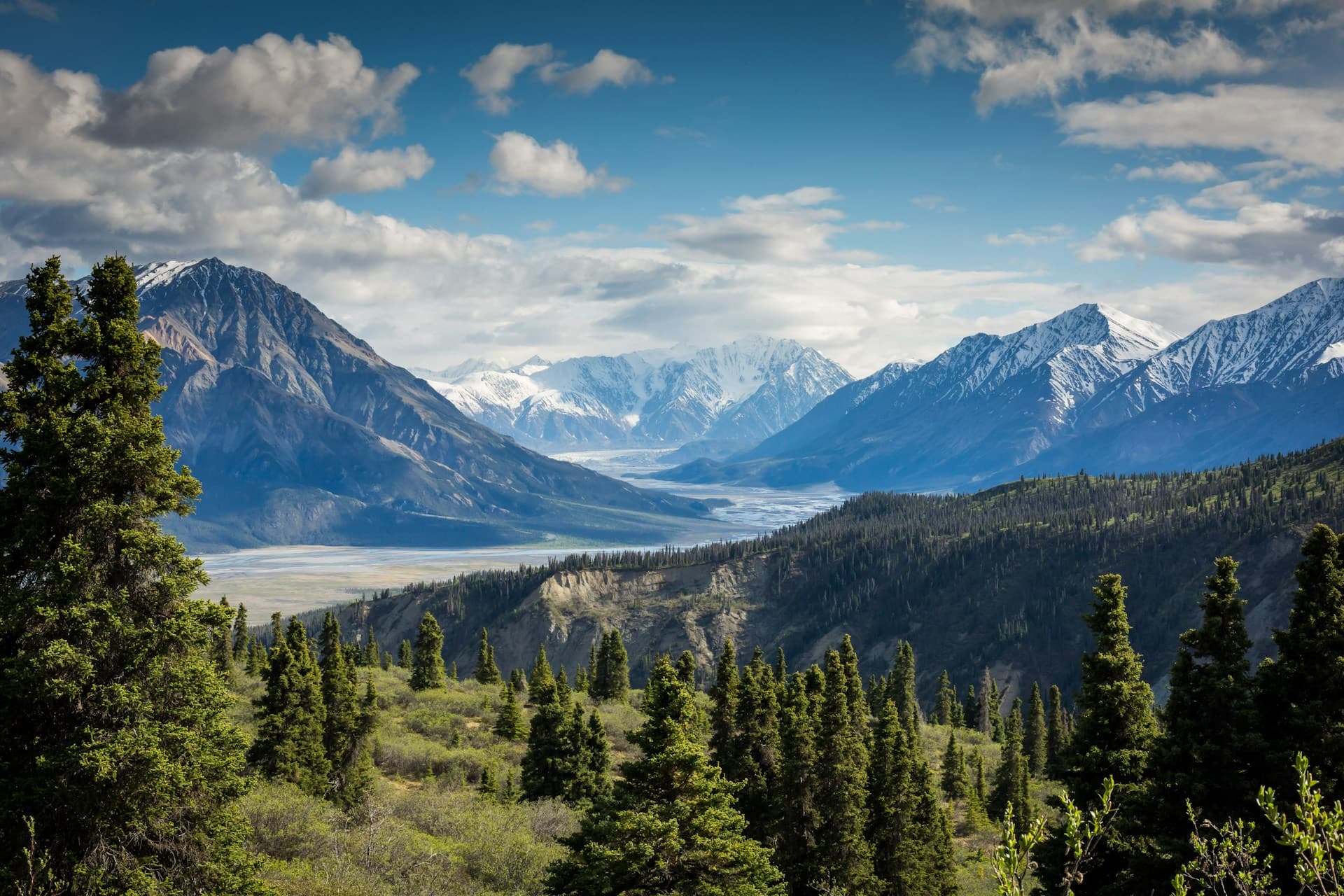
Guadalupe Mountains National Park protects one of the world's most extensive Permian fossil reefs, a geological marvel dating back 260 million years. The park is home to Guadalupe Peak, the highest peak in Texas at 8,751 feet—a summit that stands as one of the most rewarding climbing experiences in the state. The park encompasses nearly 87,000 acres of high-desert terrain, spanning elevations from 3,600 feet at the visitor center to over 8,700 feet at the ridge line, creating a dramatic gradient of ecosystems and climate zones.
Here's the catch: Guadalupe Mountains National Park has zero hookups and minimal facilities. The only campground within the park, Pine Springs Campground, offers dry RV camping and tent sites at just $15 per night. If you're rolling up with a Class A needing electricity, water, and sewer connections, you'll need to base yourself in one of the nearby towns.
The nearest services cluster in three directions. White's City, New Mexico sits 35 miles east via Highway 62/180, offering limited but closest amenities. Van Horn, Texas—the most practical base for Texas-focused travelers—is 65 miles west on I-10. El Paso, the region's major hub, sprawls 110 miles further west with all the full-service RV parks you could want. This geographic spread means your choice of base camp significantly shapes your trip experience, influencing everything from fuel costs to dining options to nightlife accessibility.
The geology here is unparalleled. The Guadalupe Mountains are composed of a massive ancient reef system, and hikers ascending Guadalupe Peak literally climb through geological layers spanning hundreds of millions of years. Rock formations display fossils, mineral deposits, and stratification that geological experts travel globally to study—and you can witness it firsthand with nothing more than a day-use permit and sturdy hiking boots.
TL;DR
- Highest peak in Texas: Guadalupe Peak at 8,751 feet—a strenuous but deeply rewarding summit hike offering unobstructed views across three states
- Zero hookups in the park: Plan to dry camp or base yourself in Van Horn, White's City, or El Paso for full-service amenities
- Van Horn and El Paso are your anchors: Full hookup sites, fuel, dining, and supplies within easy driving distance from your basecamp
- Fall foliage peaks in October: The Bowl area showcases spectacular maple, oak, and pine colors when temperatures drop to 55–70°F, creating an autumn paradise
- Carlsbad Caverns is a bonus: Only 35 miles east—plan a day trip to explore 750 feet of underground chambers and catch the nightly bat flight emergence
- Texas RV Parks: The Complete Directory for planning longer Texas tourism loops beyond Guadalupe Mountains
Access Zones
Guadalupe Mountains sits at the intersection of four distinct access corridors, each with different trade-offs for convenience, amenities, and solitude. Understanding these zones helps you choose the right basecamp strategy for your specific trip goals.
Van Horn, Texas (65 miles west, I-10/Highway 54 junction) is the closest full-hookup anchor for park-focused visitors. This dusty railroad town has evolved into a reliable pit stop, with multiple RV parks offering 30/50-amp service, dump stations, and laundromats. Gas is cheaper than El Paso, and the drive to Pine Springs Campground takes roughly 1.5 hours via Highway 54. Van Horn lacks nightlife or upscale dining, but it's efficient—you can fuel up, resupply, and get back to the park within a morning. The town also hosts the Van Horn Chamber of Commerce if you need trip planning assistance or local recommendations. Several parks offer monthly discounts if you're considering an extended stay to base multiple Guadalupe Mountains explorations.
White's City and Carlsbad, New Mexico (35 miles east via Highway 62/180) appeal to cave-focused travelers planning simultaneous Guadalupe Mountains and Carlsbad Caverns visits. White's City RV Park sits literally on the Carlsbad Caverns entrance road. It's closer to the park's eastern facilities and offers a unique overnight-before-the-caves logistics chain. The downside: White's City has very limited hookup sites and caters primarily to cavern tourists; if the RV park is full, you'll backtrack to Carlsbad proper, adding 15 miles to your commute. Carlsbad itself is a charming small city with excellent Mexican restaurants, a walkable downtown, and multiple museums covering regional history and natural science.
El Paso, Texas (110 miles west on I-10) is overkill for a park-focused trip but ideal if you're threading Guadalupe Mountains into a larger Texas touring loop. The city has dozens of RV parks, Mexican food that'll change your life, and cultural attractions (Fort Davis, McDonald Observatory) within 1.5–2 hours. Expect higher nightly rates ($40–50) and a longer commute to the park. However, El Paso offers shopping, entertainment, and dining diversity that Van Horn cannot match—perfect if you're planning a mixed leisure-and-culture trip rather than pure outdoor focus.
Dell City, Texas (50 miles north via Highway 180) is the quiet option—a remote agricultural valley with minimal tourism infrastructure. If you need zero crowds and don't mind fewer amenities, Dell City has sparse RV parking and functions as a backdoor entry to the park's northern reaches via Dog Canyon Trail. This route is ideal for experienced backcountry travelers seeking solitude and willing to sacrifice convenience for genuine wilderness immersion.
Best RV Parks in West Texas offer the full connectivity and amenities framework for the entire region.
Things to Do
Guadalupe Mountains delivers world-class geology, staggering elevation gain, and one of the clearest night skies in the Southwest—assuming you arrive prepared for the physical demands and weather volatility. The park's diverse attractions range from strenuous alpine summits to leisurely nature drives, ensuring options for various fitness levels and interests.
Guadalupe Peak Trail (8.4 miles round trip, 3,000-foot elevation gain) is Texas's hardest mountain summit and absolutely worth the punishment. The trail climbs relentlessly from 6,000 feet to 8,751 feet, with exposed switchbacks, loose scree, and wind that'll test your resolve. Plan 8–10 hours and start by 6 AM to finish before afternoon heat and weather roll in. The payoff: views across New Mexico, the fossil reef geology underfoot, and the legitimate claim of standing on Texas's highest point. This is not a casual morning walk—bring 3+ liters of water, electrolyte replacement, sunscreen, a headlamp, and a first-aid kit. Summit temperatures are typically 15–20 degrees cooler than the visitor center, so bring a windbreaker even on warm mornings.
The Bowl is the park's spiritual centerpiece and autumn showcase. This high-elevation basin sits around 8,000 feet and transforms in October when maples, oaks, and pines turn brilliant gold and red. The Bowl Trail (9.3 miles round trip, moderate difficulty) winds through this color display; sunset here rivals any postcard. Fall temperatures—55–70°F with crisp mornings—make October the absolute prime time for this hike. The route also passes through McKittrick Canyon, a lush riparian zone that contrasts dramatically with the surrounding high desert, creating a journey through multiple ecological zones in a single day.
Salt Basin Dunes, 20 miles west via Highway 62/180, offer a stark lunar landscape of white gypsum dunes. A 10-minute drive from the park, these dunes shift constantly and glow eerily at sunset. Hiking is free and unregulated; you can scramble the dunes for 1–3 hours and be back in time for dinner. The dunes are particularly dramatic in late afternoon light when the gypsum crystalline structure creates a shimmering, almost otherworldly appearance.
Carlsbad Caverns National Park (35 miles east) is a mandatory side quest. The main cavern descends 750 feet through The Big Room, the largest underground chamber in North America spanning 8.2 acres. The nightly bat flight (May–October at dusk) draws 100,000+ Brazilian free-tailed bats exploding from the cave entrance—a surreal biological spectacle and natural phenomenon with few equals. Combine with Salt Basin Dunes for a full-day loop that showcases both subterranean and above-ground desert wonders.
Dog Canyon, the park's remote northern entrance (70 miles from Pine Springs), opens backcountry trails into high-elevation wilderness. This is serious backpacking—30+ mile circuits with minimal water sources and mountain lion country. Only for experienced hikers with permits and bear-proof bear canisters. The reward is genuine solitude, untouched alpine meadows, and the chance to experience the Chisos and Sierra Diablo wilderness corridors in their purest form.
McKittrick Canyon Nature Walk is an easier alternative showcasing the park's botanical diversity. This 2.2-mile round trip follows a perennial stream through riparian woodland and ends at a historic cabin. It's accessible for families with younger children and offers intimate nature observation without the grueling elevation gain of peak hikes.
RV Parks Near Big Bend National Park showcase similar high-desert west Texas adventures within a day's drive.
Practical Tips
No hookups means full tank discipline. Arrive with a full freshwater tank and full power reserves. Pine Springs has a water fill station but no sewer hookups; you'll dump at your base RV park and return with a full tank. Plan 2–3 nights maximum before returning to refill. Budget an extra 1–2 hours each way for the round-trip fill cycle, particularly if peak season creates lines at dump stations.
Generators are allowed 8 AM–8 PM only. This is strictly enforced and considerate to neighbors. If you need constant power for medical equipment or refrigeration, plan accordingly during generator windows or budget for a hookup-equipped base camp instead. Many RVers successfully manage by running generators during active daytime hours and relying on battery power overnight—a strategy that reduces fuel costs and environmental impact.
Fall (October) is unquestionably the best time. Temperatures range 55–70°F, The Bowl foliage is peak, and the air is crystalline. Spring (April–May) is viable but less spectacular. Summer heat climbs to 95°F+ in lower elevations (though The Bowl stays cooler), and afternoon thunderstorms roll in with little warning. Winter is cold and windy; roads can close from snow and ice.
Wind is relentless; stake everything. The west Texas plateau is open and exposed. RV awnings, tents, and camp chairs get shredded if not properly secured. Bring heavy-duty stakes, guy lines, and consider investing in sturdy ground anchors rated for sustained wind. Many experienced desert campers use multiple stakes per corner for critical structures.
Cell service is nonexistent in the park. Verizon and AT&T have zero bars inside Guadalupe Mountains boundaries. If you need connectivity, park at your base camp or spend time in Van Horn/White's City between day trips. Download offline maps and trail guides before entering the park to avoid relying on cell-dependent navigation apps.
Guadalupe Peak Trail requires early starts and careful timing. Summer sunrise is 5:30 AM; aim to be on the trail by 6 AM. Afternoon thunderstorms are common from June–August. Once you're above 7,500 feet with no shelter, lightning is a genuine risk if weather moves in. Check weather forecasts the morning of your hike and don't commit to a summit push if thunderstorm potential exceeds 40% probability.
RV Parks in Alpine, TX provide an alternative basecamp west of the park with additional amenities and authentic west Texas character.
Cost Math
A realistic 4-night gateway trip for two adults breaking between Van Horn and Pine Springs:
Lodging:
- Van Horn full-hookup RV park: 2 nights × $35/night = $70
- Pine Springs dry camping: 2 nights × $15/night = $30
- Subtotal: $100
Activities:
- Guadalupe Peak Trail: Free
- Salt Basin Dunes: Free
- Carlsbad Caverns admission: $15 × 2 adults = $30
- Subtotal: $30
Fuel & Supplies:
- Gas from El Paso (110 mi round trip, ~22 mpg RV): $26
- Groceries/restocking: $40
- Subtotal: $66
Grand Total: ~$196 per person for a comprehensive 4-night trip
This breaks down to roughly $50 per person per night—far below resort-circuit pricing. Compare this to a similar week-long resort base in New Mexico (Carlsbad KOA or private RV resort): $40–50/night × 7 nights = $280–350, plus activity fees and longer commutes. Guadalupe Mountains delivers premium park geology and solitude at a fraction of the resort-circuit cost.
A longer 7-night trip would cost approximately $300–350 per person and would allow time for multiple peak hikes, thorough cavern exploration, and genuine rest between activity days—creating a far less rushed experience than the 4-night snapshot.
RV Parks Near Davis Mountains provide cost-competitive alternatives for extended west Texas exploration loops combining multiple national attractions.
Comparison Table
| Park Name | Location | Distance to Park | Hookups | Rates/Night | Best For |
|---|---|---|---|---|---|
| Pine Springs Campground | In-park (south entrance) | 0 miles | Dry camping only | $15 | Budget travelers, purists seeking park immersion |
| Dog Canyon Campground | In-park (north entrance) | 70 miles from Pine Springs | Dry camping only | $10 | Remote backpacking, solitude, adventure hikers |
| Van Horn RV Park | Van Horn, TX | 65 miles (1.5 hrs) | 30/50 amp, full hookups | $35–40 | Primary base camp, fuel/resupply hub |
| Desert Oasis RV | Van Horn, TX | 65 miles (1.5 hrs) | 30/50 amp, full hookups | $32–38 | Budget alternative, laundry, dump station |
| Loves Travel Stop RV | Van Horn, TX | 65 miles (1.5 hrs) | Limited hookups | $25–30 | Quick overnight, fuel convenience |
| White's City RV Park | White's City, NM | 35 miles (50 min) | Limited hookups | $30–40 | Carlsbad Caverns day trips, cave-focused travelers |
| Carlsbad KOA Carlsbad, NM | 50 miles (1 hr) | Full 50 amp hookups | $40–50 | Larger RV comfort, pool, Caverns proximity | |
| El Paso West RV Park | El Paso, TX | 110 miles (1.75 hrs) | Full hookups, resort | $45–55 | Luxury base, city amenities, longer west Texas loop |
FAQ
Q: Are there really no hookups anywhere in Guadalupe Mountains National Park? A: Correct. Pine Springs and Dog Canyon are dry camping only. Generators allowed 8 AM–8 PM. Plan accordingly with full freshwater and power tanks, or choose a hookup base camp instead.
Q: How difficult is Guadalupe Peak Trail? A: Very. 8.4 miles with 3,000-foot elevation gain over rocky, exposed terrain. Plan 8–10 hours round trip. It's the hardest mountain summit in Texas and requires fitness, water discipline, and early morning starts to avoid afternoon heat and thunderstorms.
Q: When do the fall colors peak in The Bowl? A: October is the window. Maples, oaks, and pines turn brilliant gold and red. Temperatures drop to 55–70°F, making hiking comfortable. October weekends book quickly—arrive mid-week if possible.
Q: Can I do Carlsbad Caverns as a day trip from Guadalupe Mountains? A: Yes. It's 35 miles east via Highway 62/180 (50 minutes). Plan 4–5 hours for cave tour plus the nightly bat flight (May–October at dusk). Leave early morning, spend 3 hours in the cave, stay for sunset bat emergence, return by 10 PM.
Q: What is cell service like in the park? A: Nonexistent. Verizon, AT&T, and T-Mobile have zero signal inside the park boundaries. Connectivity exists in Van Horn and White's City. If you need reliable service, stay at a hookup base camp outside the park.
Q: Can I run my generator whenever I want? A: No. Generators are permitted 8 AM–8 PM only. This is strictly enforced and aims to protect the quiet experience for other campers. Plan cooling/heating needs within these windows or go with a hookup-equipped alternative base camp.
Q: How do I access Salt Basin Dunes? A: Drive west on Highway 62/180 from Pine Springs or White's City. The dunes span roughly 20 miles. There are informal pullouts and multiple access points. No fees or permits. Hiking is free and unregulated; bring water and sunscreen.
Q: Is the Dell City route to the north worth it? A: Only if you're a backcountry purist or hiking Dog Canyon Trail. Dell City is 50 miles north via Highway 180 through remote ranch country with minimal RV infrastructure. It's a quiet backdoor but not a practical primary base for most travelers.
Q: How much water is available in the park? A: Pine Springs has a water fill station for RVs. That's the only reliable source. If you're hiking, plan for only the water you carry—most trails lack water sources. Bring 2–3 liters minimum for day hikes.
Q: Is fall or spring better for visiting? A: Fall (October) wins decisively. The Bowl foliage is unmatched, temperatures are perfect (55–70°F), and the air is crystal clear. Spring (April–May) works but lacks The Bowl colors and can have more wind. Summer is too hot below 7,500 feet. Winter is cold, windy, and snowy.
Selling Your RV Park Near Guadalupe Mountains?
Guadalupe Mountains National Park sits at the confluence of major travel routes, autumn foliage seasons, and dark-sky tourism—a gateway opportunity with premium positioning in the west Texas RV market. The park attracts 600,000+ annual visitors, with peak seasons generating sustained demand for hookup-equipped basecamp facilities within the 35–110 mile corridor.
If you're operating a park in Van Horn, Dell City, or the El Paso corridor with visibility to Guadalupe Mountains attractions, consider the strategic advantages: fall-color tourism creates concentrated October booking windows with premium nightly rates; national park overflow demand means you can capture visitors who arrive only to find Pine Springs full; and a growing demographic seeks authentic Southwest experiences over resort amenities, creating premium positioning for quality parks with regional character.
Properties in Van Horn specifically benefit from I-10 highway traffic (a major trucking and tourism corridor), convenient fuel/resupply positioning, and established reputation as the go-to base for Guadalupe Mountains visitors. Parks offering laundry, shower facilities, and satellite Wi-Fi command pricing premiums—particularly among RVers seeking a balance between park proximity and basic infrastructure.
Contact Jenna Reed at jenna@rv-parks.org to explore acquisition or partnership opportunities. We're actively evaluating gateways to Guadalupe Mountains, Big Bend, and other west Texas attractions. Learn more at /sell.